

Transit vehicle advertising
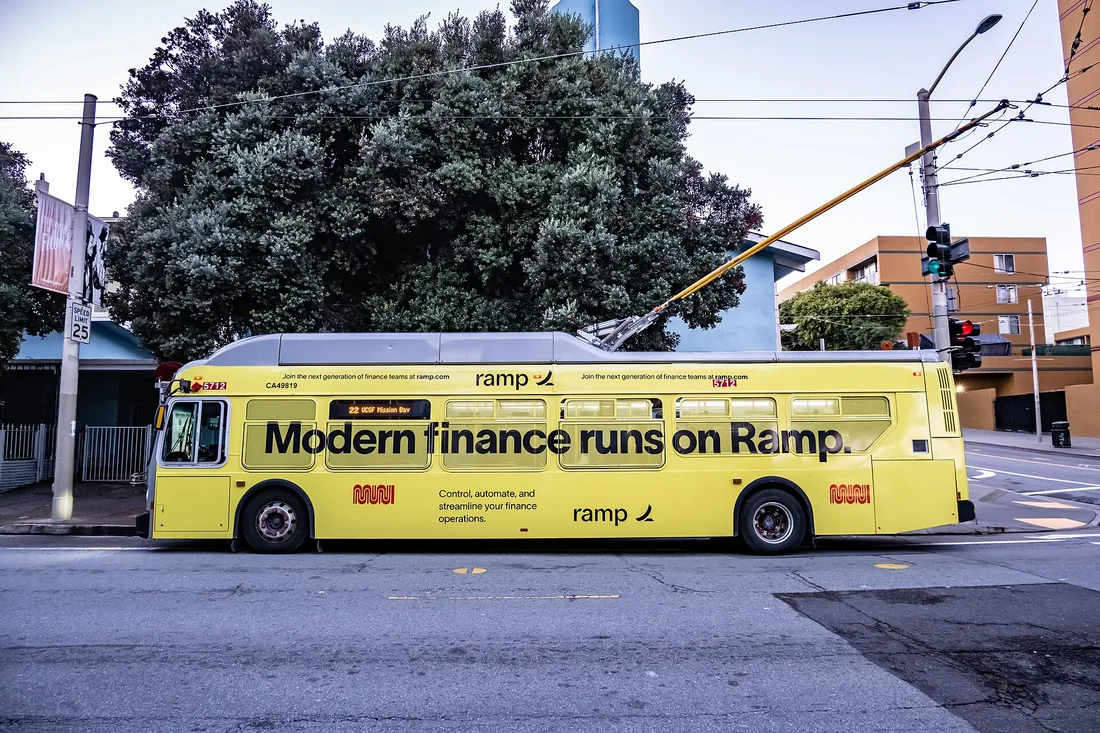 Format example
How advertising on buses, taxis and trains works
Transit vehicle advertising is paid space on buses, taxis or trains that belong to a transport operator, shown on the outside of the vehicle and inside the cabin. It suits campaigns that need to reach many districts along fixed routes, and messages that can be seen repeatedly. To talk through a transit campaign idea and how to prepare the design, call CONTURA on +374 91 120 240.
Format options
Bus sides and full wraps, interior cards, taxis and rail vehicles.
What to discuss
Confirm routes, viewing sides, window limits, display period and unit availability.
How does advertising on public transport work?
Advertising on public transport is space that a transport operator, or a media company working with it, rents out on its vehicles for a set display period. The message travels along the vehicle's routes, so drivers, pedestrians and passengers see it in many places rather than at one spot. Outside, the design has to read in the moment a bus passes or waits at a light. Inside, passengers have more time, so cards in the cabin can carry details, a web address or a short offer.
Where on a bus or taxi can advertising go?
The places you can use depend on the operator and the vehicle model, but most follow a similar pattern. The sides give the largest area and face the pavement and the next lane, while the rear is read by drivers following the bus in traffic. A full wrap covers most of the body and turns the vehicle into one large image. Taxis usually carry a roof box, door panels or rear-window film. Each option has its own size, rules and file requirements.
- Bus sides, seen from the pavement and the next lane
- The bus rear, read by drivers behind it
- Full wraps over most of the body, with perforated film on windows
- Interior cards above the windows and near the doors
- Taxi roof boxes, door panels and rear-window film
- Panels on trams and rail vehicles, where the operator offers them
Which routes and vehicles should you choose, and what drives the cost?
Choose the route before the vehicle, because the route decides which districts, streets and people see the advertising. A route through busy shopping streets suits a broad offer, while a route past your branch or a business district suits a local or professional message. Some operators let you pick a route or district, while others assign vehicles from a shared pool. Cost usually depends on the number of vehicles, the size of the surface, the display period, the film and the fitting and removal work.
How do you prepare a design for transit advertising?
Start from the operator's template for the exact vehicle model, because doors, windows, handles and seams cut through the surface. Place the name and the main message on flat, uninterrupted areas, make them large enough to read from across the street, and leave the details for the interior cards. Over windows, usually only perforated film is allowed, and fine text there is hard to read. A design on a moving vehicle should still make sense when people see only half of it.
- Ask for the operator's template for the vehicle model
- Keep logos and text off doors, handles and seams
- Use one message and a large name on the outside
- Put the details on interior cards
- Check the window rules before placing artwork on glass
| Sides | Rear | Interior cards | |
|---|---|---|---|
| Who sees it | Pedestrians and nearby drivers | Drivers behind the bus | Seated and standing passengers |
| Reading time | A glance as it passes | Longer in slow traffic | Several stops |
| Best content | Name and one message | Name and short contact | Details and an offer |
| Usual material | Printed vinyl film | Vinyl or perforated film | Printed cards |
Confirm the specific format and placement options with CONTURA.
A few useful answers
Where can advertising go on a bus?
Advertising usually goes on the sides and the rear of a bus, sometimes as a full wrap, and inside on cards above the windows or near the doors. The places available depend on the operator, the vehicle model and the rules for windows.
Can I choose the route for bus advertising?
Many operators let you choose a route or a district, depending on how their network and vehicle pool work. The route decides who sees the advertising, so choose it before the design and ask how vehicles are assigned to it.
How is transit advertising different from vehicle graphics?
Transit advertising is space rented for a set period on public transport vehicles that belong to the operator. Vehicle graphics brand your own cars and vans and stay with them while they do their normal work.
Can bus windows be covered with advertising?
Bus windows can usually be covered only with perforated film and within the operator's rules, so that passengers can still see out. The driver's windows and the doors normally stay clear, and fine text on perforated film reads poorly.
Which is better, bus or taxi advertising?
Bus advertising gives a large surface on fixed routes, while taxi advertising gives a small surface that moves through many streets. Buses suit a strong image and a broad offer; taxi roof boxes and doors suit a short name, a logo and a simple contact.
How do I prepare a design for a bus advertisement?
Ask the operator for the template of the exact bus model, then place the name and one message on flat areas away from doors, handles and seams. Keep the details for interior cards, check the window rules, and send print-ready files at the scale the operator requests.
What affects the cost of advertising on buses and taxis?
The main factors are the number of vehicles, the routes, the size of the surface, the display period and the film, fitting and removal work. A full wrap needs more film and fitting time than a side panel, so it usually costs more to produce.
Is bus advertising visible at night?
Most exterior panels have no light of their own, so bus advertising reads best by day and on well-lit streets. Light backgrounds, strong contrast and large letters help in the evening, and the lit cabin keeps interior cards readable after dark.
Do I need approval for advertising on public transport?
The operator approves the design and the placement, and advertising content must follow rules that differ by municipality. Check the content, any language requirements and the window rules with the operator before the film goes into production.
Can transit advertising use Armenian and Latin lettering?
Transit advertising can use Armenian lettering, Latin lettering or both, as long as the main name reads clearly from a moving vehicle. Keep one script dominant, avoid thin or condensed letters, and check that both stay large enough at the expected distance.
How does transit advertising hold up over a long campaign?
Printed vinyl film handles rain and washing well, but sun, road dirt and frequent cleaning wear it over a long display. Ask the operator who checks and replaces damaged graphics, and plan for the film to be removed cleanly at the end.
What happens after I call CONTURA about transit advertising?
You explain what you want to promote, which districts matter and when the campaign should run. CONTURA talks through whether buses, taxis or trains fit that goal, what to ask the operator and how to prepare the design files, then you agree the next steps.


Let's make your
idea visible
Tell us what you have in mind. We'll talk through where to begin.