

Vehicle graphics
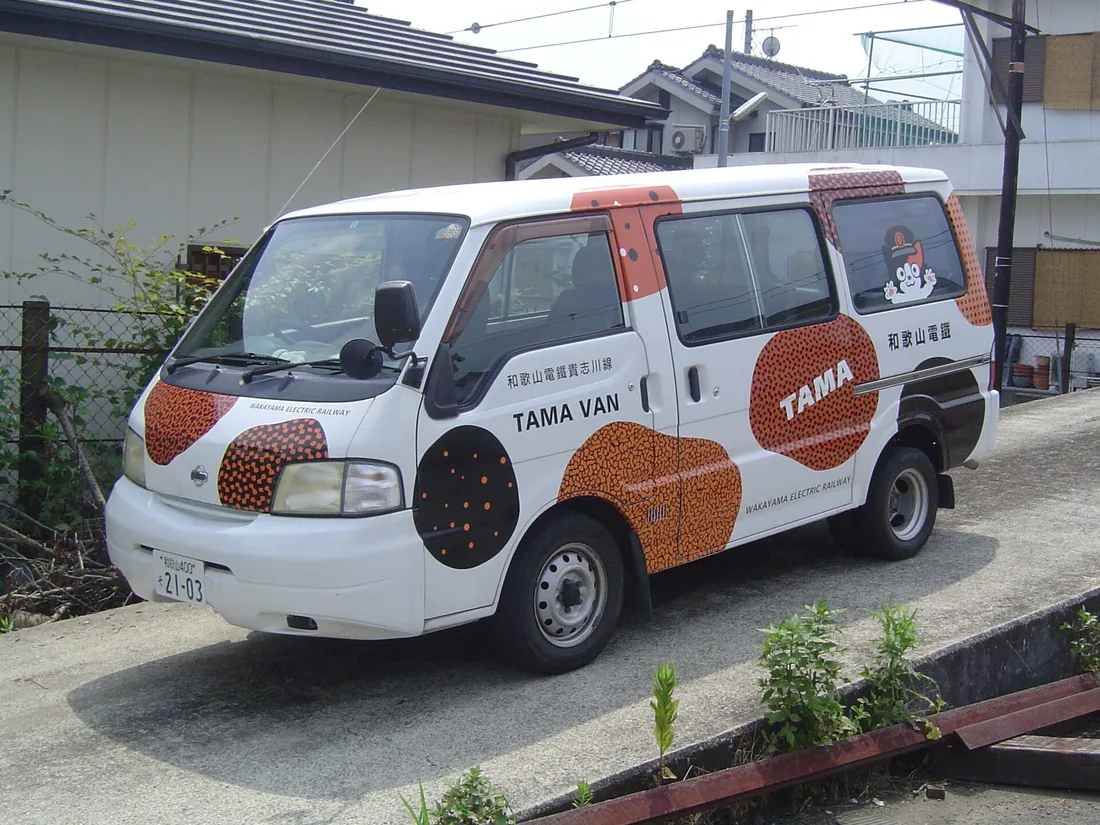
How vehicle graphics work on company cars and vans
Vehicle graphics are films applied to a company car, van or truck, from a logo on the doors to a full wrap that changes the colour of the whole body. They suit businesses whose vehicles are on the road or parked at clients' doors every working day, because the name and phone number travel with the work. Call CONTURA to discuss your vehicles and what they should show.
Format options
Partial graphics, full wraps and door or side markings.
What to discuss
Compare viewing sides, vehicle use, glazing restrictions and surface care.
How do vehicle graphics work?
Vehicle graphics are printed or cut vinyl films made for curved surfaces and applied over the original paint. Cast films stretch into recesses and around curves, while calendered films usually suit flat panels and simple lettering. A protective laminate over printed film helps it resist sun, washing and small scratches. The body is never a flat sheet: doors, handles, fuel caps, mirrors and window seals all cut through the design. For that reason the layout is planned on a drawing of the exact model, so the name does not break across a door gap or disappear behind a handle.
Where do vehicle graphics work best?
Vehicle graphics work best on vehicles that are seen often by the people you serve: service vans parked at clients' doors, delivery cars that make many stops and company cars used for visits. The sides carry the name and the service, and the rear is read in traffic by the drivers behind. A van with a large flat side panel offers more room than a saloon car, so the vehicle model shapes how much can be said. A car that is also used privately may suit smaller or easily removable graphics. Your own fleet carries your brand in this way, which differs from buying advertising space on public transport.
How do I choose vehicle graphics, and what affects the cost?
The choice usually starts with the vehicle and how it is used. A full wrap changes the whole look and suits a strong brand colour or a large image. Partial graphics keep the factory paint and add the logo, stripes or a message to selected panels, and door markings are the simplest way to identify a car. The cost depends on several factors rather than one figure per vehicle, so it is easier to discuss once the model and the layout are known.
- Vehicle model, size and depth of its curves
- Area covered and the film type
- Print, laminate and the number of vehicles
- Paint condition and removal of old graphics
- Separate layouts for different models in a fleet
How do I prepare the design and files for vehicle graphics?
Start with the exact make, model, year and body type, because door lines and panel shapes change between versions. Take straight photos of each side, the rear and the front, and note dents, rust or repainted areas that may affect the film. Keep the message short: the name or logo, a few words about what you do and one way to reach you, sized to read from the next lane. Supply the logo as vector artwork (AI, EPS, PDF or SVG) and check the window rules before the layout is drawn.
| What it covers | Best for | Keep in mind | |
|---|---|---|---|
| Door or side markings | Logo and contacts on the doors | Company cars and small fleets | The vehicle keeps its own colour |
| Partial graphics | Selected panels, stripes and the rear | Vans with large side panels | The design must suit the paint colour |
| Full wrap | The whole painted body | A full colour change or a large image | Paint condition affects the result |
| Perforated window film | Rear and rear side windows | Continuing the design over glass | Windscreen and front side windows stay clear |
Confirm the specific format and placement options with CONTURA.
A few useful answers
What is the difference between a full wrap and partial vehicle graphics?
A full wrap covers the whole painted body with film and changes the look of the vehicle completely. Partial graphics keep the vehicle's own colour and add a logo, text or stripes to selected panels. Partial graphics work well when the paint colour already suits the brand.
What should a company vehicle show?
A company vehicle should show the name or logo, what you do in a few words and one way to reach you, usually a phone number. Long lists of services are hard to read on a moving vehicle, so keep them for your other materials.
Is a full wrap or partial graphics better for a delivery van?
Partial graphics are often enough for a delivery van when its paint colour already works with the brand, because the large side panels give room for the name and contacts. A full wrap makes more sense when you want a brand colour the van does not have or a large image across the body.
How do I prepare files for vehicle graphics?
Send the exact make, model and body type, straight photos of every side and the logo as vector artwork, and note any dents or repainted areas. The layout is then drawn on a template of that model, so doors, handles and windows do not cut through the name.
What affects the cost of vehicle graphics?
The main factors are the vehicle model and its curves, the area covered, the film and laminate, the paint condition, any old graphics to remove and how many vehicles share the same design. The cost is easier to discuss once the vehicle and the layout are known.
Can vehicle graphics be removed without damaging the paint?
Vehicle films are usually made to be removable, which matters when a car is sold or the brand changes. How cleanly they come off depends on the film, how long it has been on, the sun exposure and the condition of the original paint. Repainted areas carry more risk.
How should I wash a vehicle with graphics on it?
Hand washing or a touch-free car wash is gentlest on vehicle film. Keep high-pressure jets away from the film edges and avoid harsh brushes and solvents. How well the graphics last also depends on the film, the laminate and how much sun the vehicle gets when parked.
Are graphics allowed on car windows?
Rear windows and rear side windows can usually carry perforated film that the driver can see through, while the windscreen and front side windows generally have to stay clear. Traffic rules set the limits and they vary, so check them before the design is drawn.
Does a full vehicle wrap need to be registered?
That depends on local rules. In some places a wrap that changes the main colour of a vehicle has to be recorded in its registration documents, and a leased vehicle may need the owner's consent. Check both before ordering a full colour change.
Can vehicle graphics use Armenian and Latin lettering?
Vehicle graphics can use Armenian, Latin or both, and it is common to show the name in one script and the service in the other. On a moving vehicle every extra line costs readability, so keep the bilingual part short and give both scripts a matching, clear typeface.
Are vehicle graphics visible at night?
Standard films are visible at night only where street lights or headlights reach them. Reflective films return headlight beams toward the viewer and keep lettering readable after dark, which suits vehicles that work late. Some places restrict reflective colours on parts of a vehicle, so check before choosing them.
What happens after I call CONTURA about vehicle graphics?
You describe the vehicle model, how many vehicles there are and what they should show. Photos of each side help the conversation. Together you then discuss partial graphics or a full wrap, the window rules that apply and the next steps.


Let's make your
idea visible
Tell us what you have in mind. We'll talk through where to begin.