

Banks & ATMs
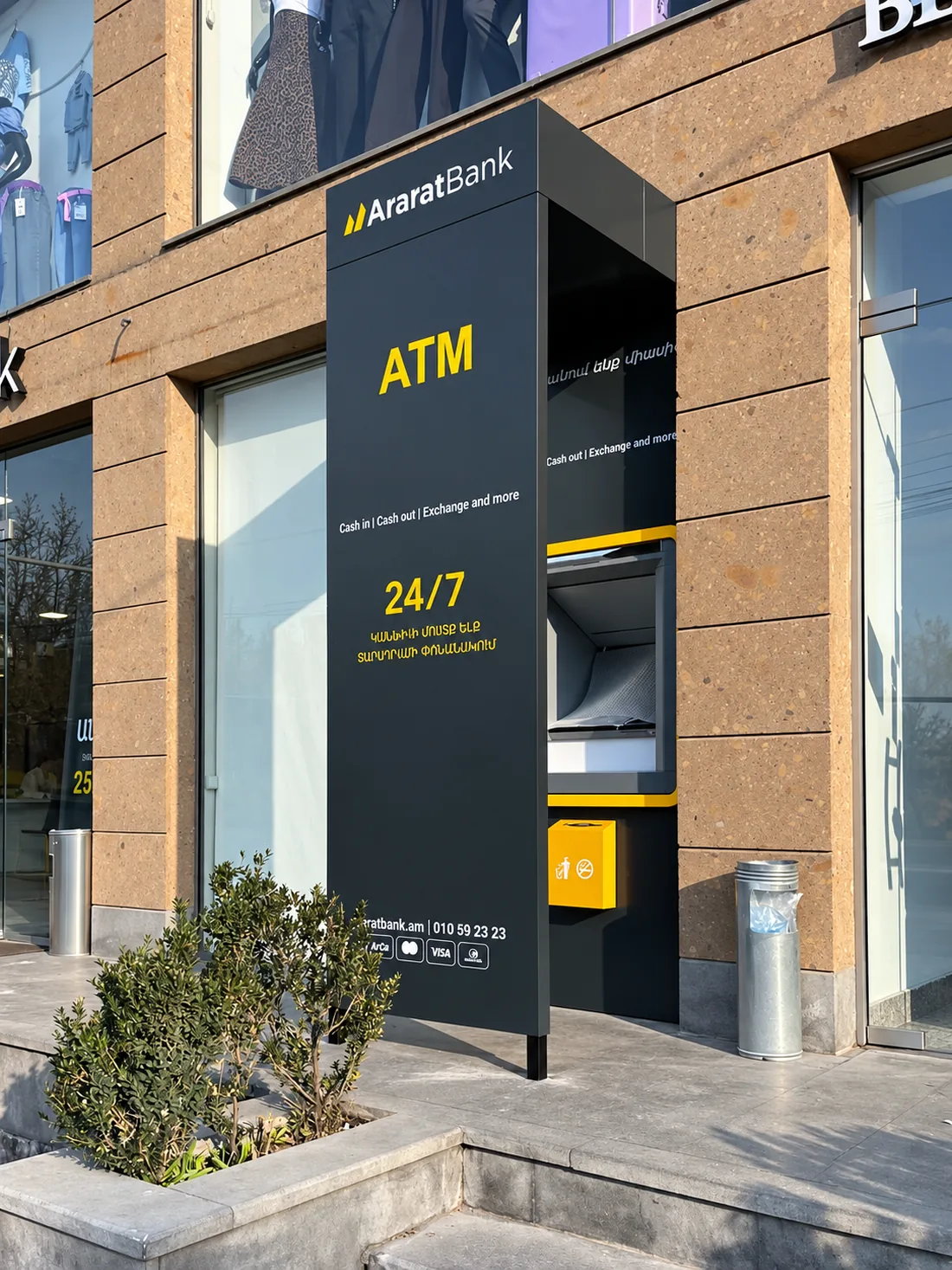
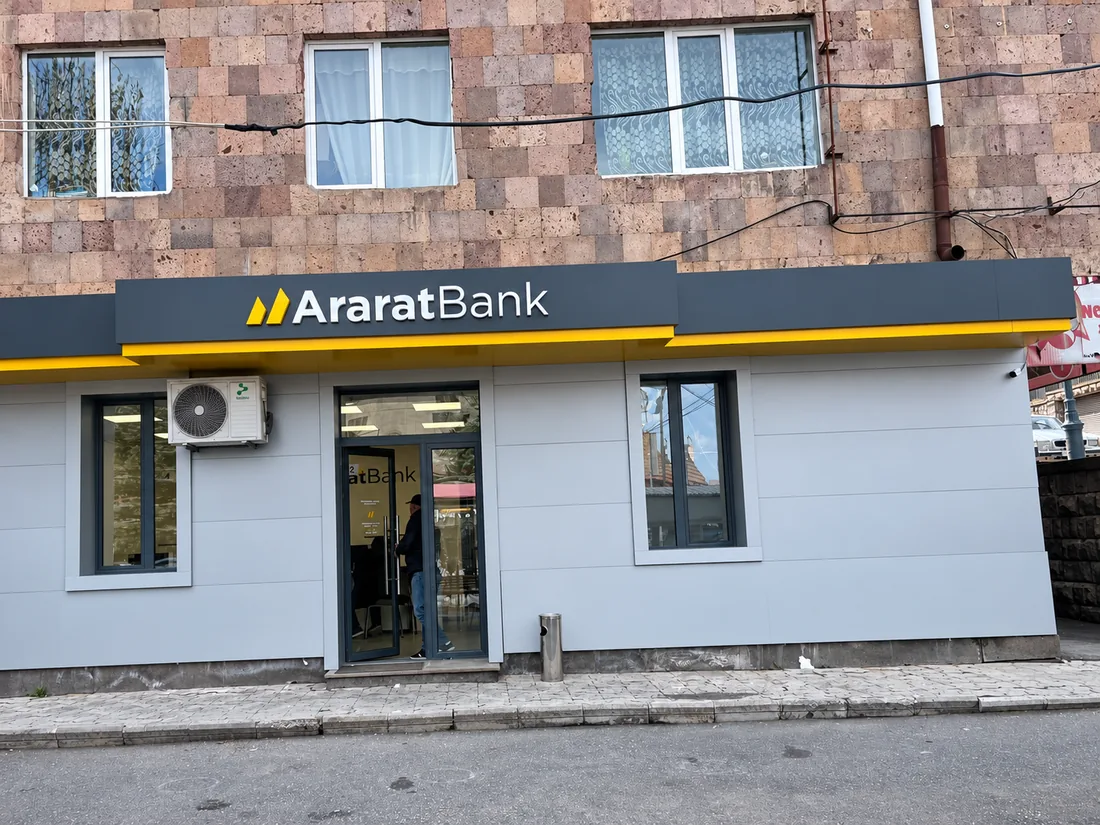
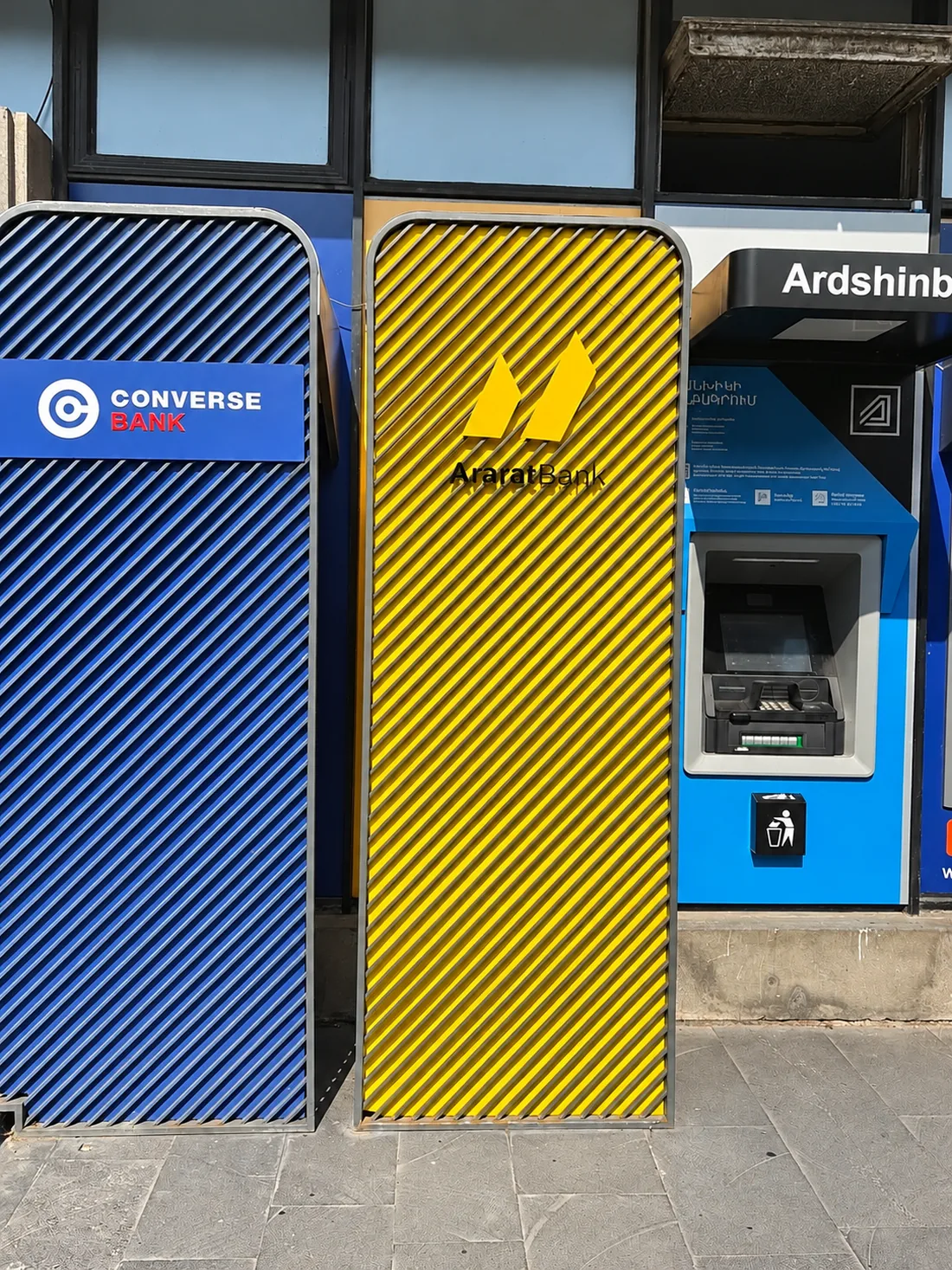
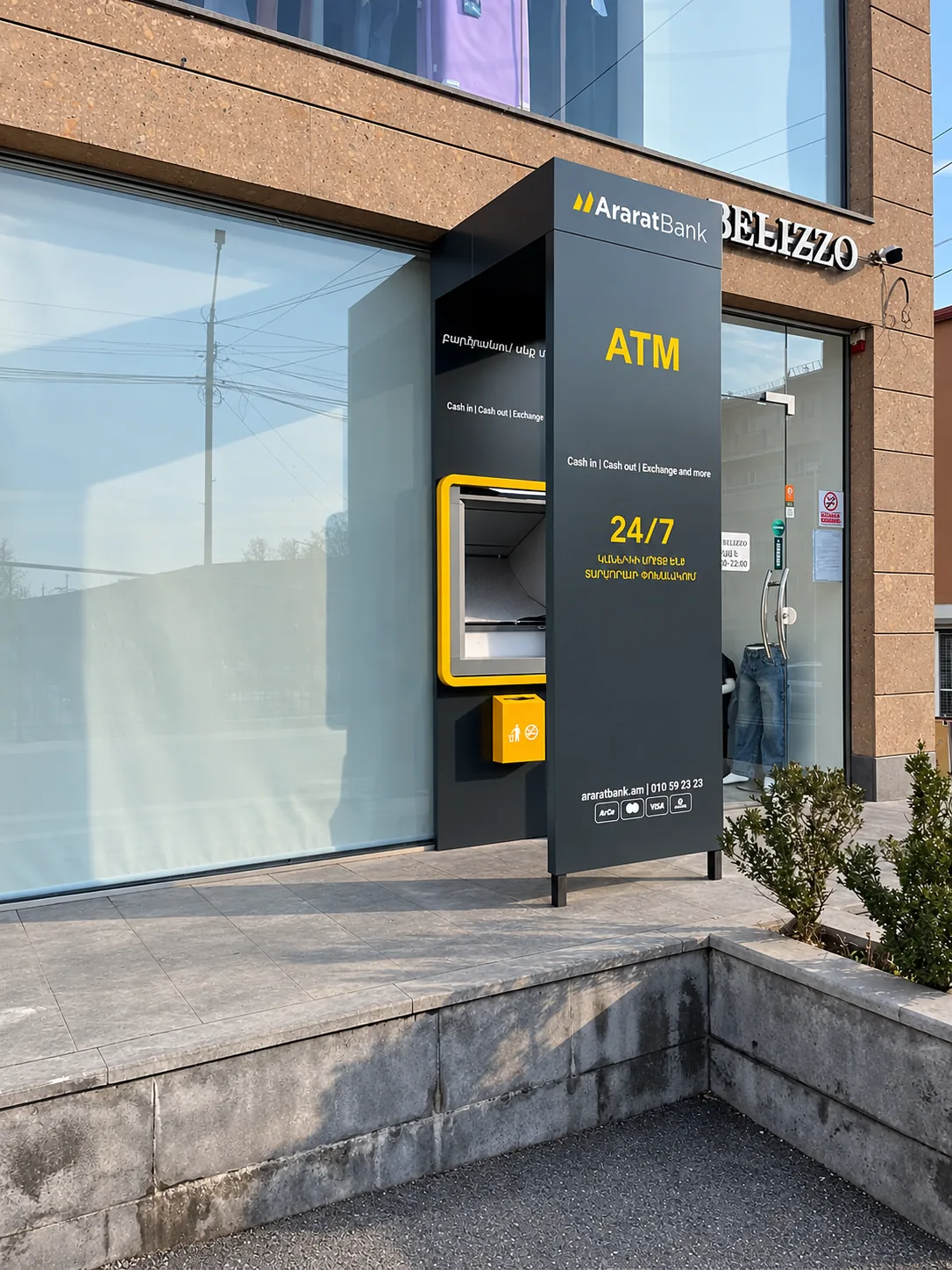
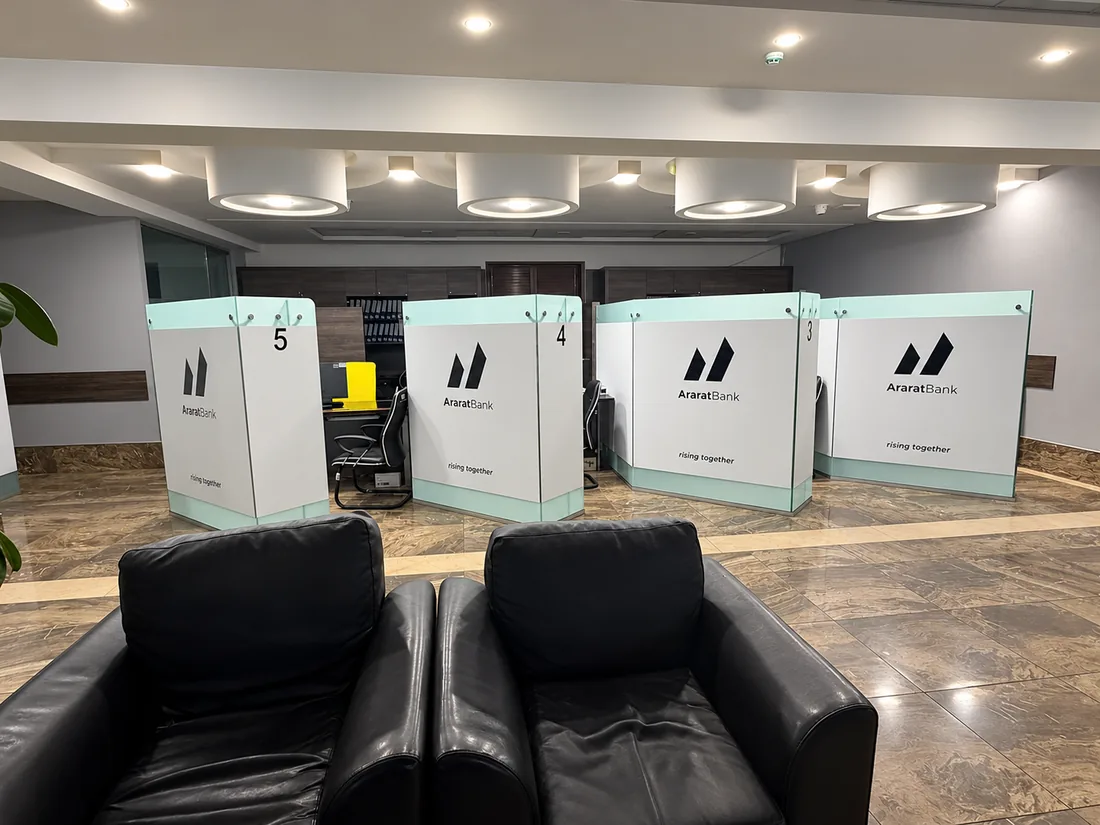
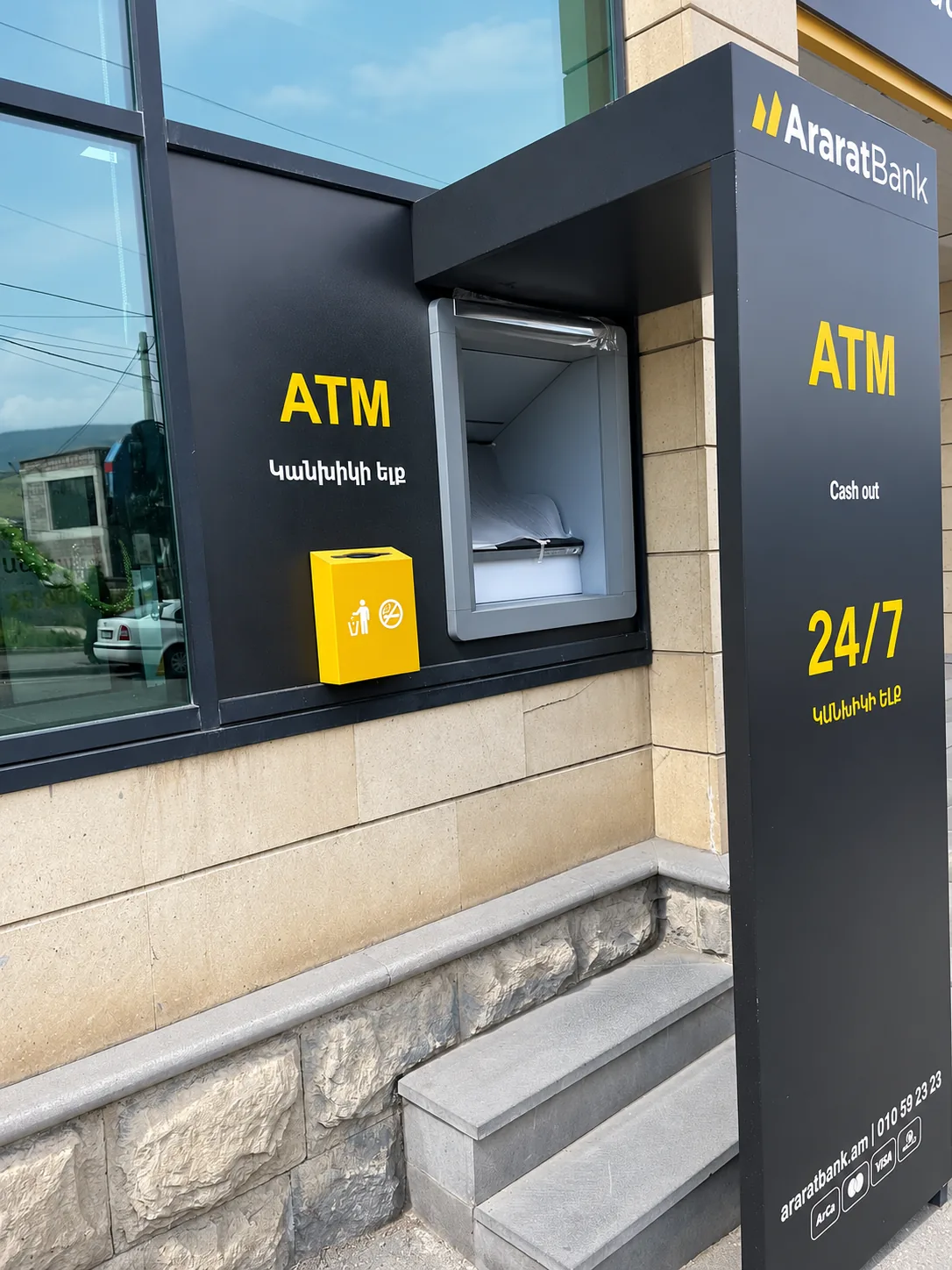
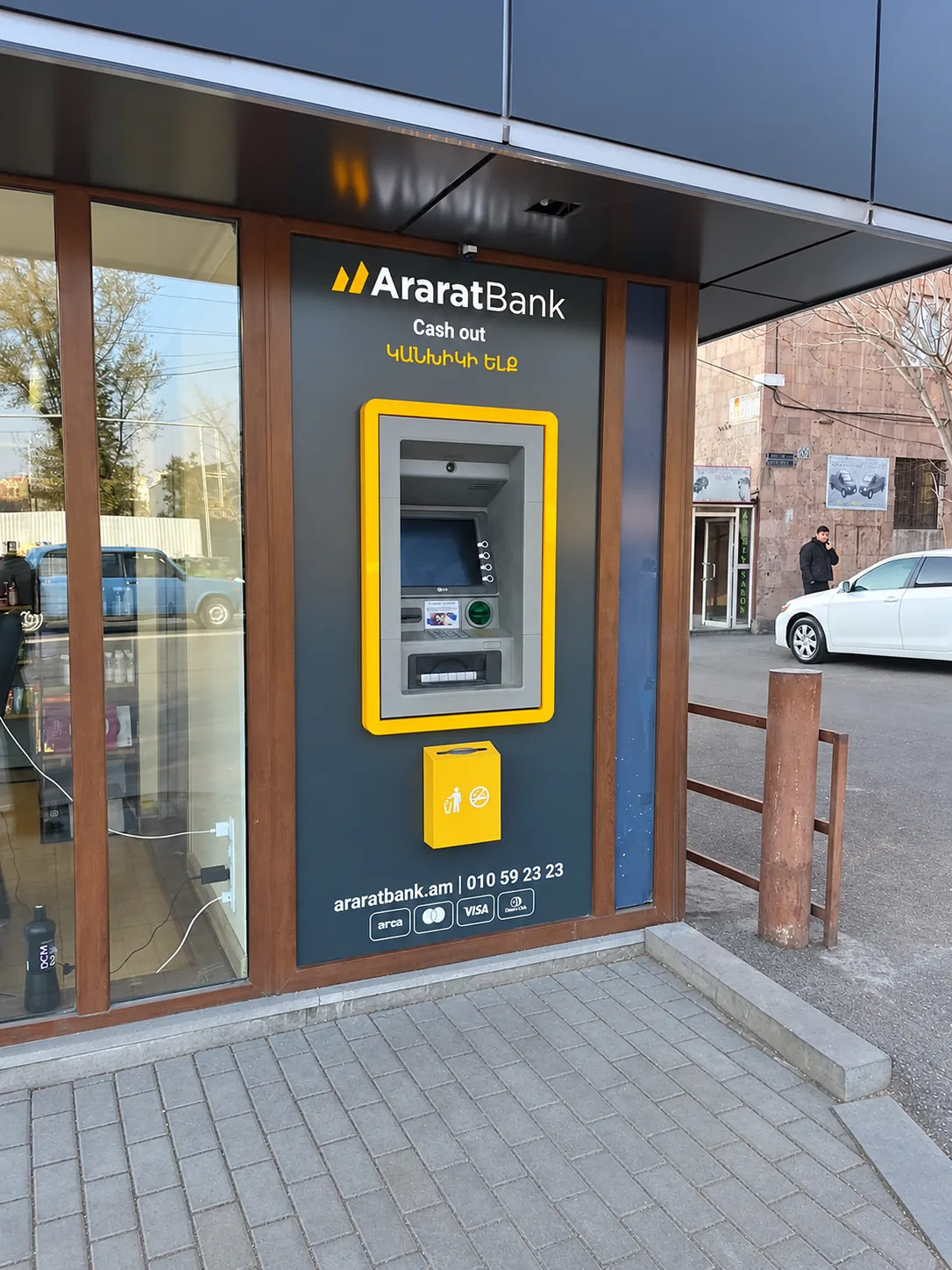
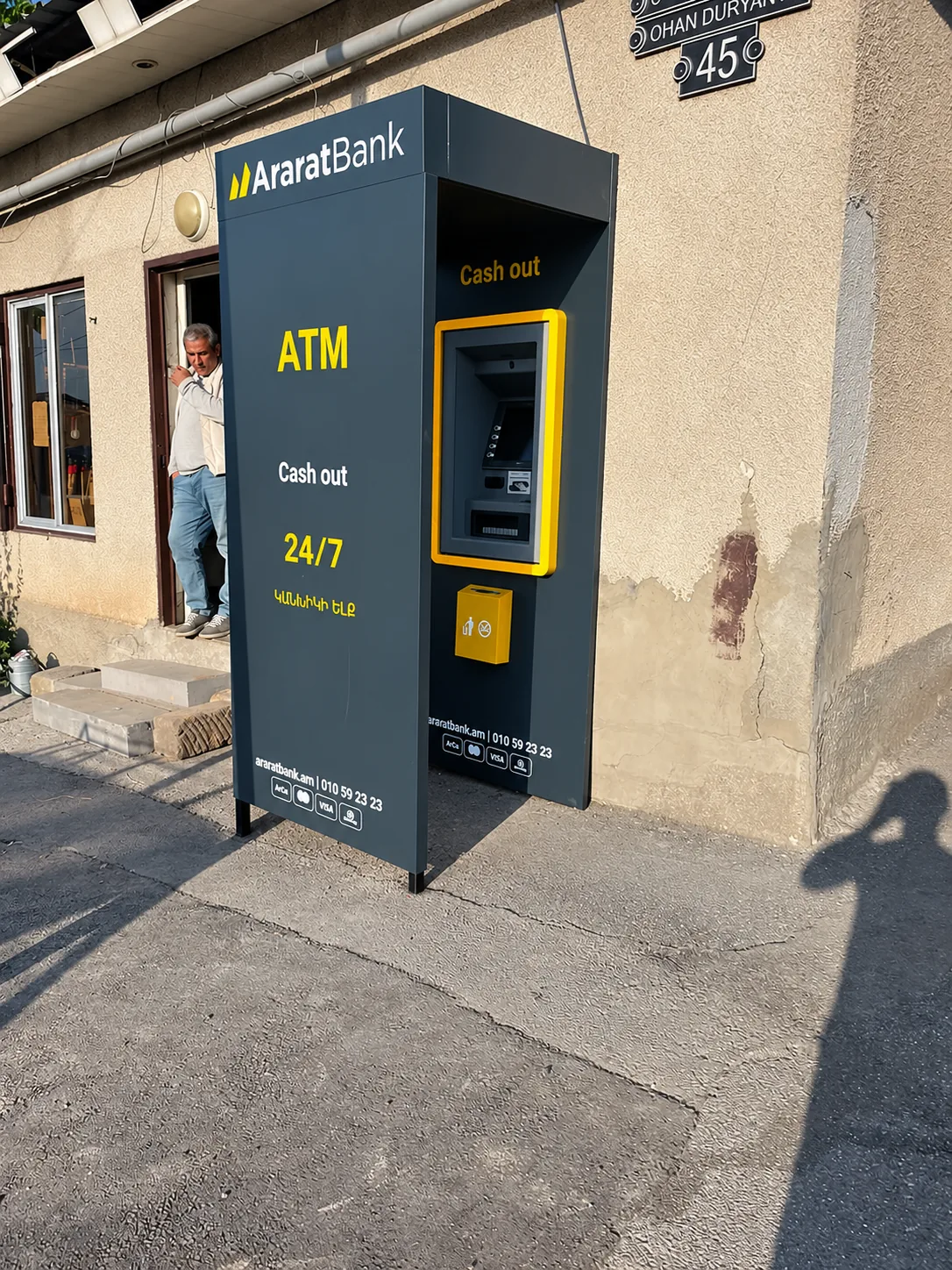
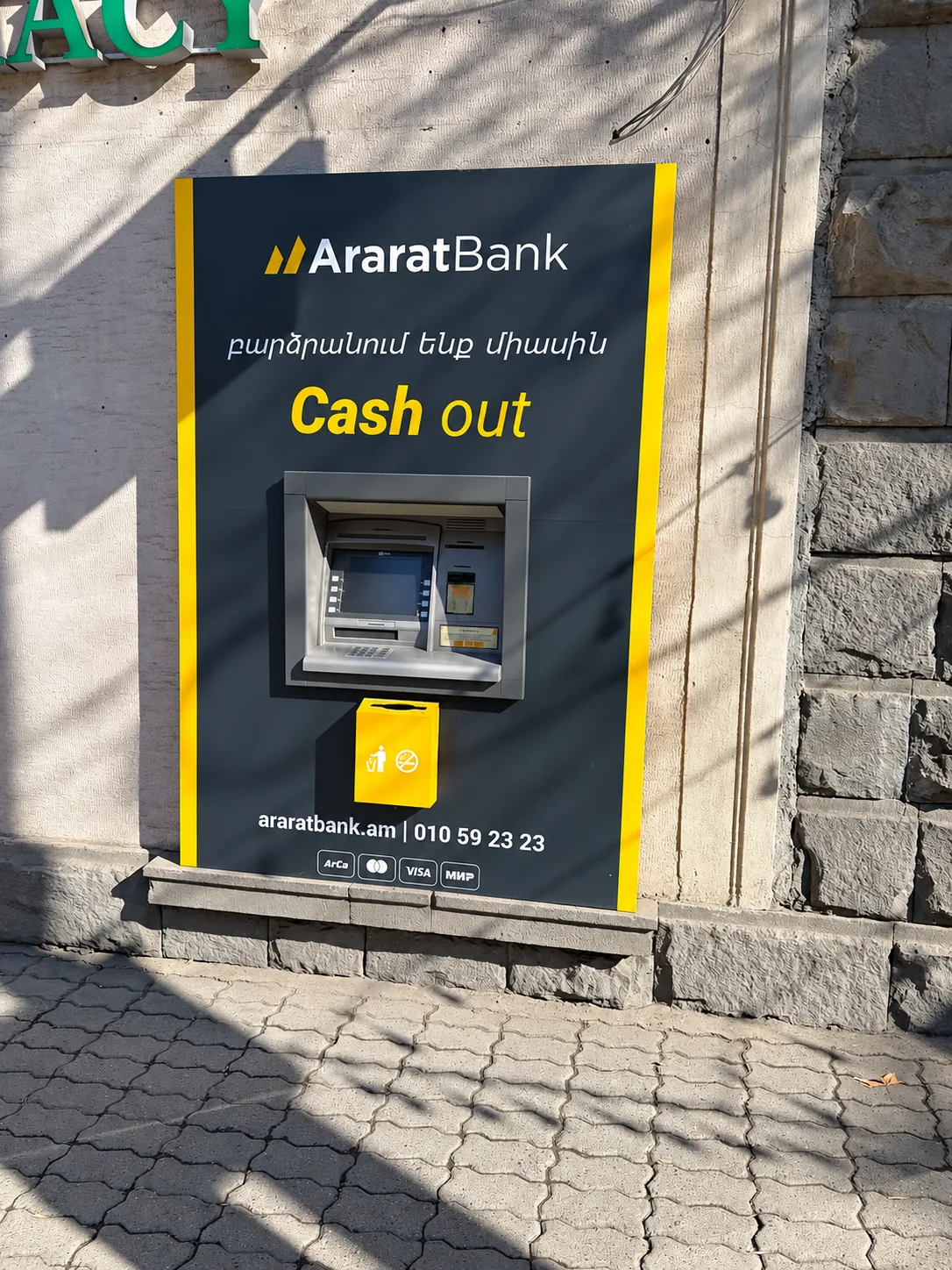
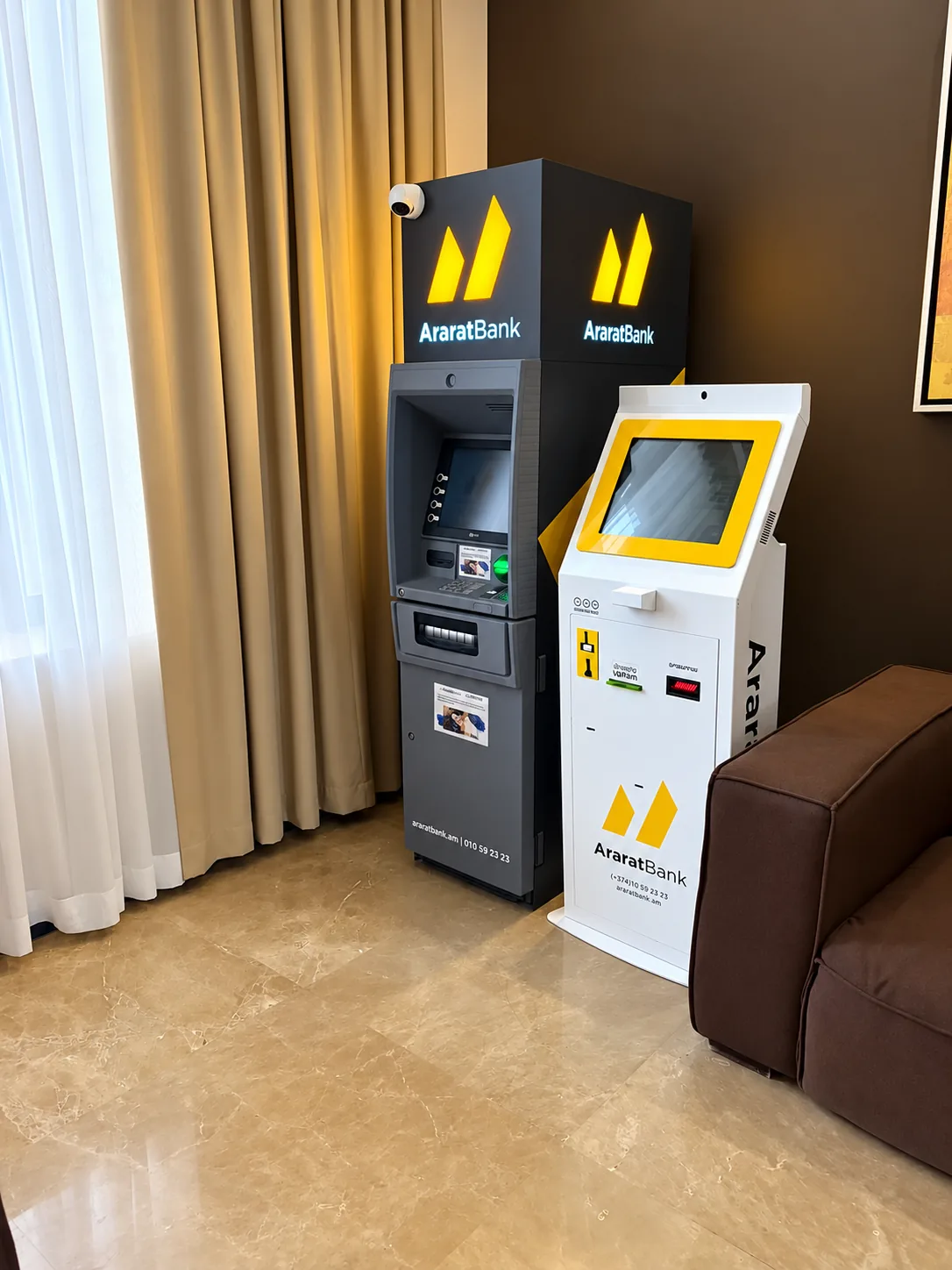
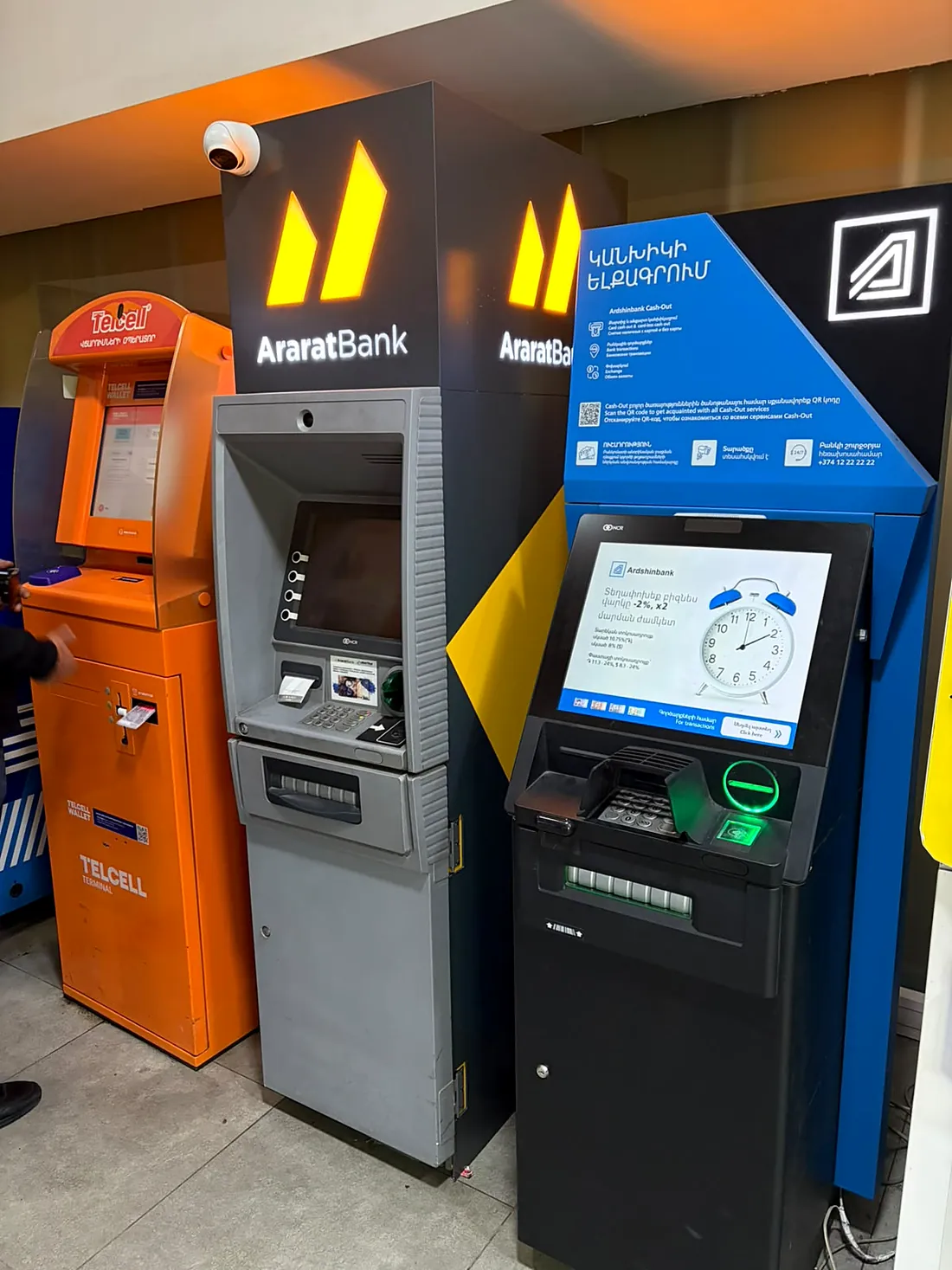
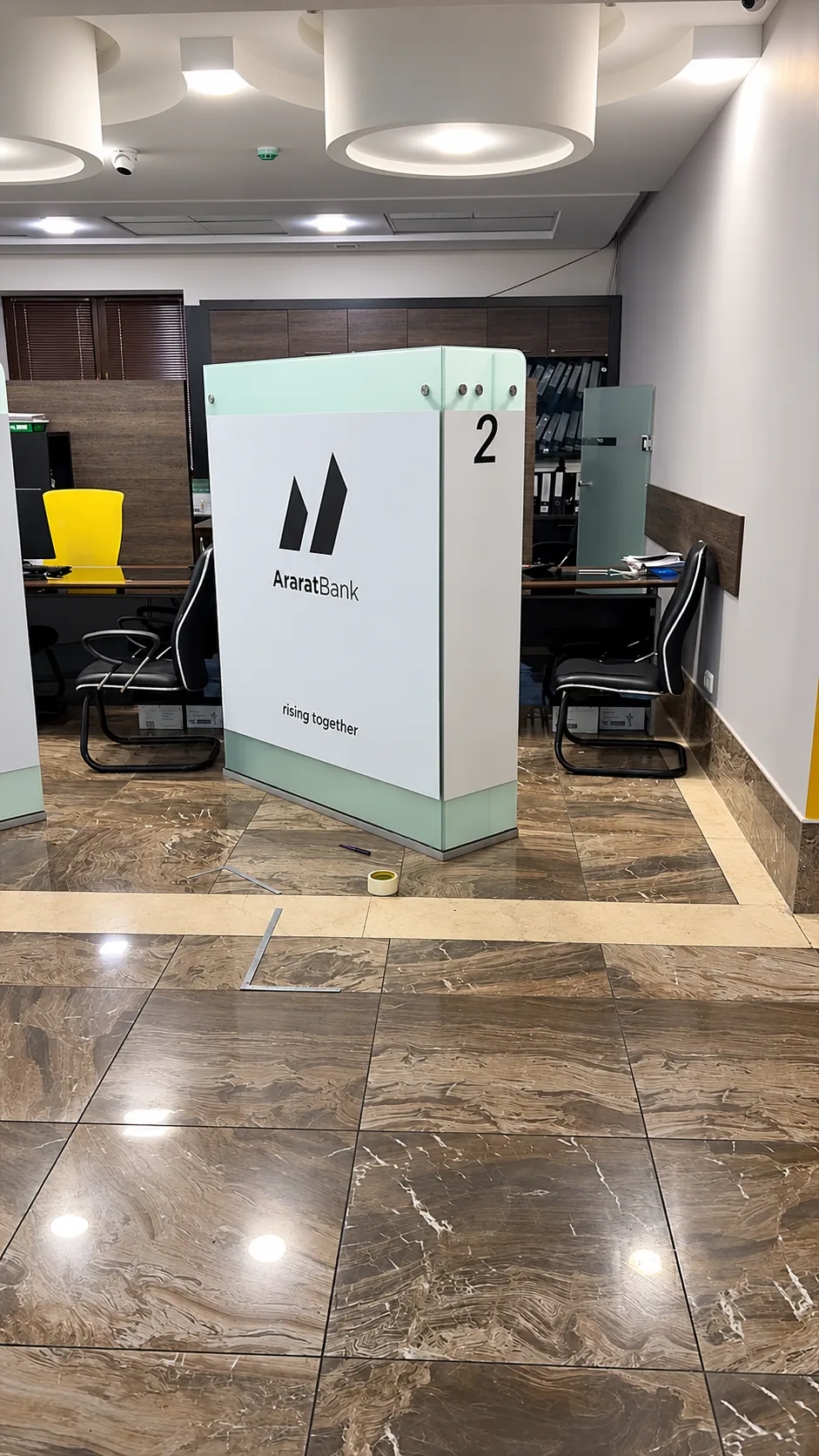
Bank and ATM signage that follows the brand book
Bank and ATM signage is the set of facade signs, ATM panels and information signs that carry a bank's brand and help customers find a branch or an ATM. A bank needs it whenever it opens a branch, adds ATMs or updates its brand across the network. Call CONTURA to discuss your branches, ATM locations and the requirements of your brand book.
What the project can include
What does bank and ATM signage include?
Bank signage usually covers every point where a customer meets the bank: the facade, the ATM zone and the service hall. The facade sign shows the name and logo and is often lit, because people look for a branch or an ATM in the evening too. Around the ATM, a lit sign above the machine and surround panels in brand colours mark the spot. Inside, signs mark desks, queues and departments, while information signs show opening hours and services.
- A facade sign with the bank's name and logo
- A lit sign above or beside the ATM
- Surround panels in brand colours
- Signs for desks, queues and departments
- Information signs with opening hours and services
How does a brand book shape bank signage?
A brand book sets the rules that every sign must follow: which version of the logo to use, the exact colours, the typefaces and the clear space around the logo. Following it closely makes each branch look like part of one network. One detail needs care: a brand colour can look different on painted metal, vinyl film and lit acrylic, so samples are compared before production. Each branch then applies the same rules to its own facade, entrance and ATM points.
What makes an ATM zone easy to find and use?
An ATM zone works when people can spot it from a distance and use the machine without obstacles. A lit sign marks the ATM after dark, and even lighting around it helps people feel safe, but no light should shine directly onto the screen. The screen, keypad, card slot and service doors must stay free, and instructions need clear contrast. ATMs inside branches, in lobbies and on street facades each need a different sign size and level of light, so every location is looked at separately.
How do you plan signage for several branches, and what drives the cost?
Planning for a network starts with a survey of each location: photos, measurements and notes on the facade, the entrance and the ATM points. From this, a standard family of sign types is adapted to each building. The cost depends on the number of branches and ATMs, the size and type of each sign, the lighting, the materials and finishes the brand book requires, the condition of the facades and the access for fixing signs at height. The more detail there is for each location, the more precisely the scope of work can be discussed.
| What it shows | Typical build | Key requirement | |
|---|---|---|---|
| Facade sign | The bank's name and logo | Lit letters or a lightbox | Visible from a distance, day and night |
| ATM sign | Where the ATM is | A lit panel above or beside the machine | Easy to find after dark |
| ATM surround panels | Brand colours around the machine | Composite panel, acrylic, vinyl film | Screen, keypad and service doors stay free |
| Service hall signs | Desks, queues and departments | Acrylic, film, metal plates | The same style in every branch |
| Information signs | Opening hours and services | Film or plates near the entrance | Clear contrast, easy to update |
What to discuss before starting
- The institution’s current brand guidelines
- Dimensions and photographs of the machine or entrance
- Required information and access requirements
Common questions
Why does bank signage have to follow the brand book so closely?
The brand book makes every branch and ATM recognisable as the same bank. It defines the logo versions, exact colours, typefaces and clear space, so signs made at different times and for different buildings still match. Without it, small differences in colour or lettering add up across the network.
Can every branch of a bank get the same signage?
Every branch can follow the same signage rules, adapted to its own facade and entrance. The brand book fixes the logo, colours and lettering, while sizes and placement change with each building. A set of standard sign types keeps the whole network consistent and makes later replacements simpler.
Which is better for a bank facade: illuminated letters or a lightbox?
Separate illuminated letters suit a facade where the wall should show between them, while a lightbox suits a complex logo or several elements on one even, lit surface. The brand book, the facade and the viewing distance decide. A lightbox face can also be replaced when the brand changes.
Does ATM branding cover more than the machine itself?
ATM branding covers the whole zone around the machine, not only the panel on it. It includes signs that help people find the ATM, branded surround panels and information signs, such as service hours. All of them leave the screen, keypad and service access free.
Can ATM branding get in the way of the screen, keypad or service doors?
Well-planned ATM branding leaves the screen, keypad, card slot and service doors fully accessible. These limits are set at the start of the project from the machine's dimensions and the bank's access requirements. Lit elements are also placed so that their light does not reflect on the screen.
How do you make an ATM easy to find at night?
A lit sign above or beside the ATM is the main tool, because it marks the machine from a distance after dark. Even lighting around the zone and high contrast on the instructions help too. The light should not shine directly onto the screen, because that causes glare.
Can bank signs combine Armenian and Latin lettering?
Bank signs often combine Armenian and Latin lettering, and the brand book usually defines which name versions to use and where. Both scripts need typefaces that match in weight and height, so that neither looks secondary by accident. Information signs near the ATM may also need Russian or English.
What should a bank prepare before ordering branch or ATM signage?
The bank should prepare its brand book, a list of the branches and ATM points, photos of each location and approximate dimensions. Add the exact text for information signs and any internal requirements for signage, security or access. With these, the options for each location can be discussed concretely.
What affects the cost of bank and ATM signage?
The cost depends mainly on the number of branches and ATMs and on the size and type of each sign. Lighting, materials and the finishes required by the brand book add to it. The condition of each facade and the access for fixing signs at height also matter, so photos of every location help.
How are bank signs and ATM panels kept in good condition?
Regular cleaning and an occasional check of the lighting keep bank signs looking as the brand book intends. Outdoor ATM zones collect dust and fingerprints, so smooth, washable surfaces such as composite panel and acrylic are practical. UV-resistant films keep brand colours from fading in the sun, and access to the LED power supplies should be planned from the start.
Do bank facade signs and ATM signs on the street need approval?
Facade signs and street ATM signs usually need approval under municipal rules, which differ by municipality. The building owner's consent is often needed too, and buildings in historic areas may have stricter limits. Check these rules before production, together with the bank's own security requirements.
What happens after a bank calls CONTURA about signage?
The bank describes the branches or ATM points involved and shares its brand book, photos and dimensions. CONTURA discusses the options for each location: sign types, sizes, lighting and the access requirements around the ATMs. Then both sides agree on the scope of work and the next steps.
Let's make your
idea visible
Tell us what you have in mind. We'll talk through where to begin.