

Retail, mall and in-store media
How in-store and mall advertising reaches shoppers
Retail, mall and in-store media are advertising placed inside shops and shopping centres: shelf strips, aisle signs, floor graphics, cart panels and corridor panels. They suit products and offers that people decide on at the shelf or on their way through a mall. Call CONTURA on +374 91 120 240 to talk through the spots you are considering and the files they need.
Format options
Shelf, aisle, floor, cart and mall panels.
What to discuss
Discuss visitor routes, venue-owner terms, adjacent products and update frequency.
How does advertising inside a shop or mall work?
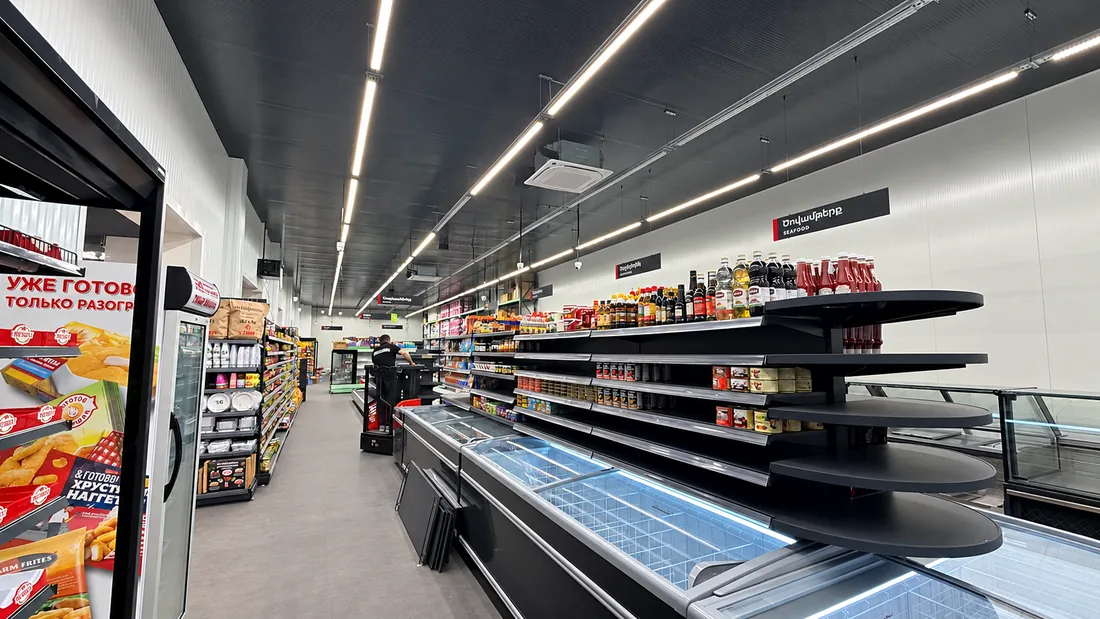
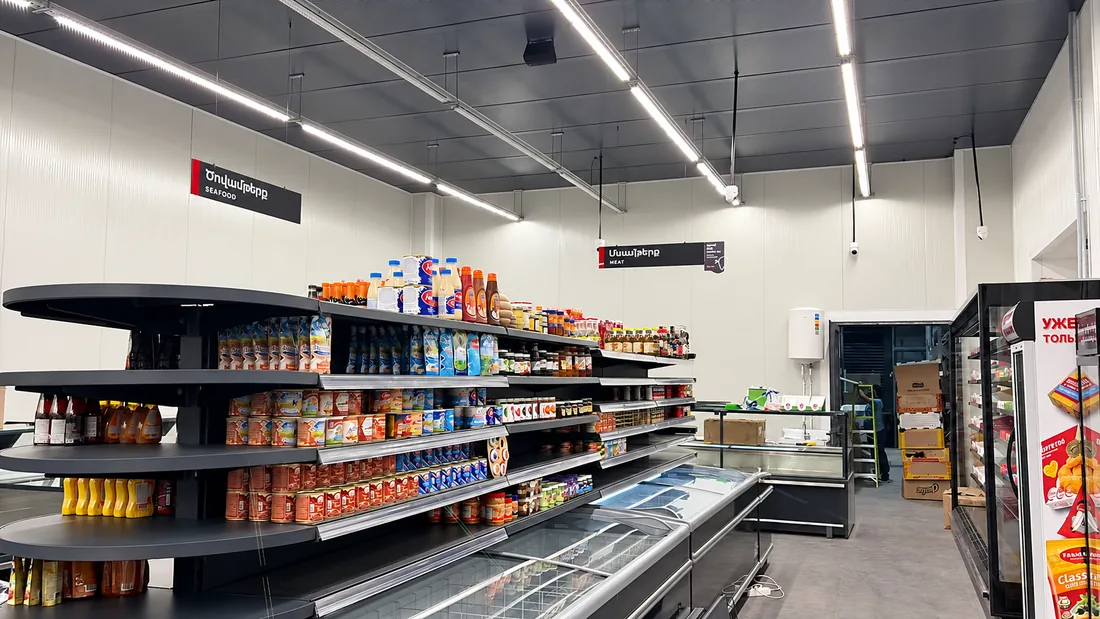
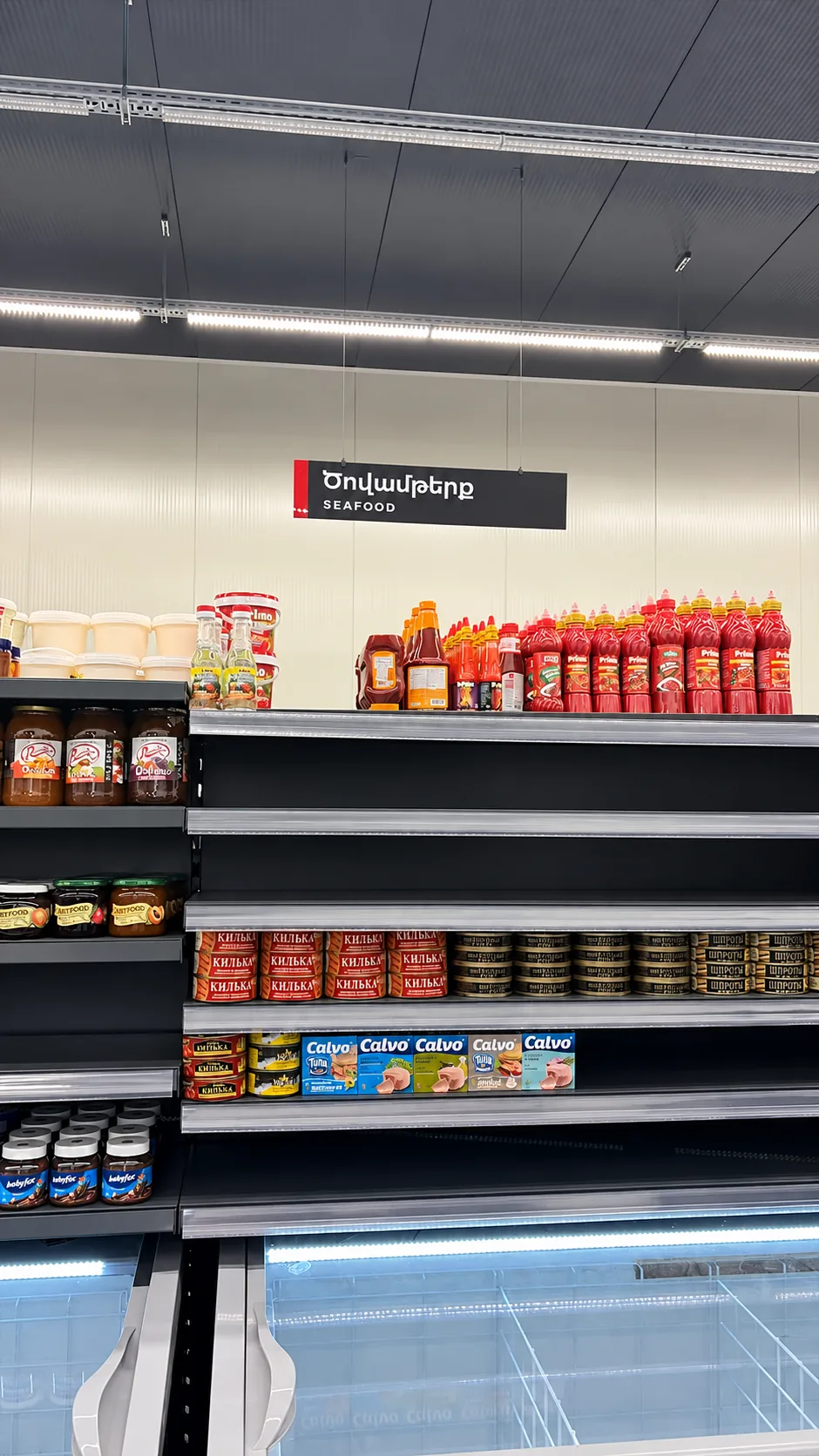
It meets shoppers at points on their route where they already pay attention: the entrance, the corridor, the aisle, the shelf and the checkout. Each point matches a different moment, from noticing and finding to comparing and buying, so the size of a piece and the amount of text change from one point to the next. A shelf strip can carry a product detail that nobody would read on a corridor panel, while a corridor panel needs a name large enough to see while walking. Planning starts with the visitor route and the products placed nearby, because they decide where a message is actually seen.
What types of in-store and mall media are there?
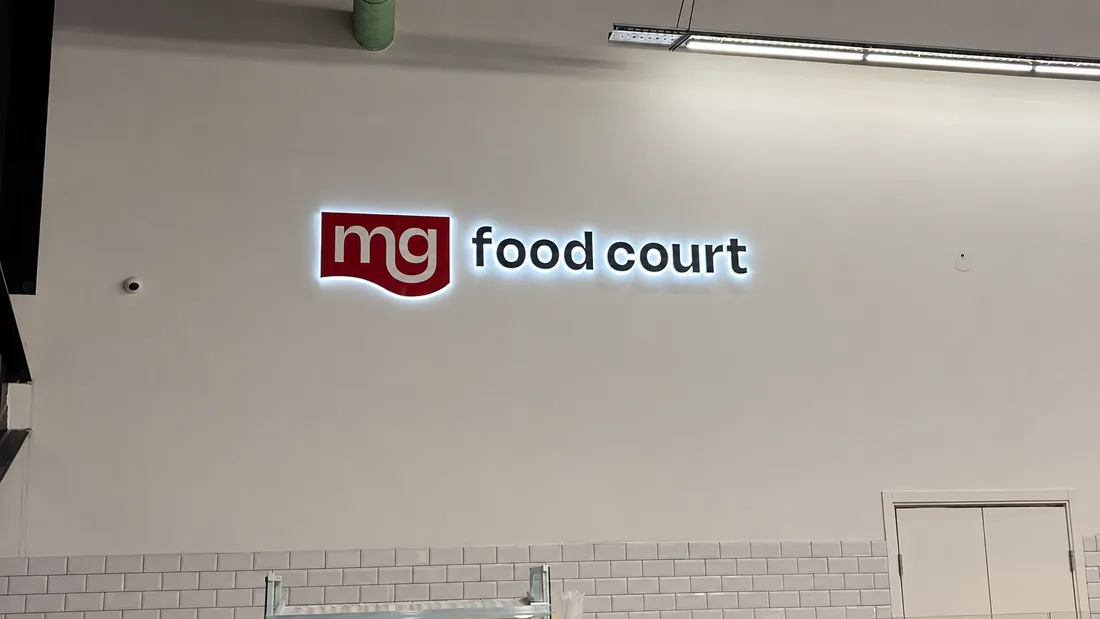
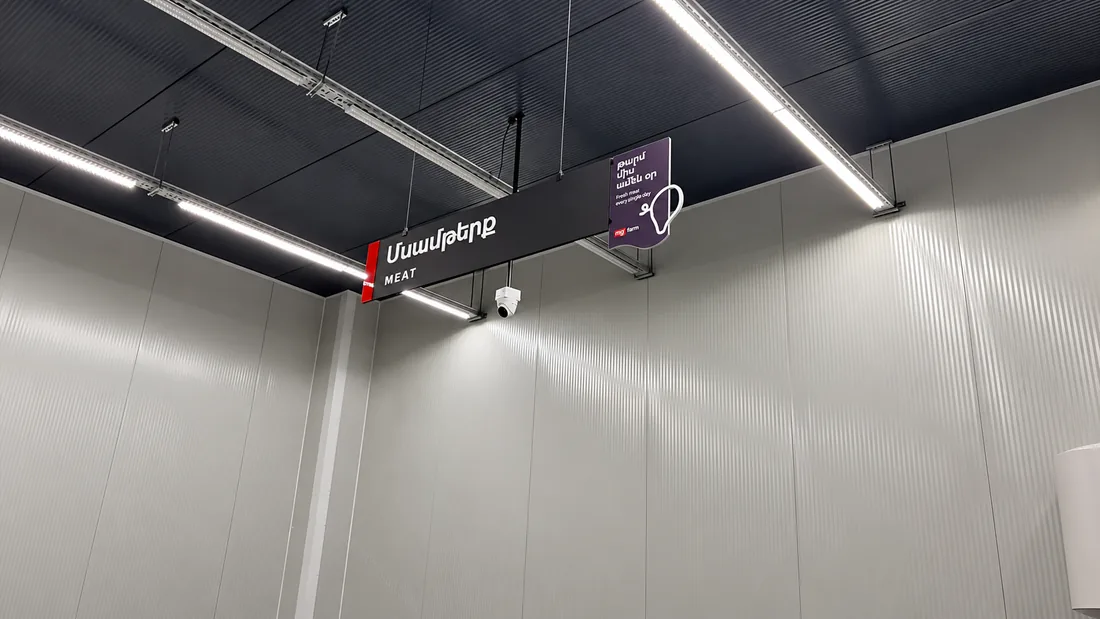
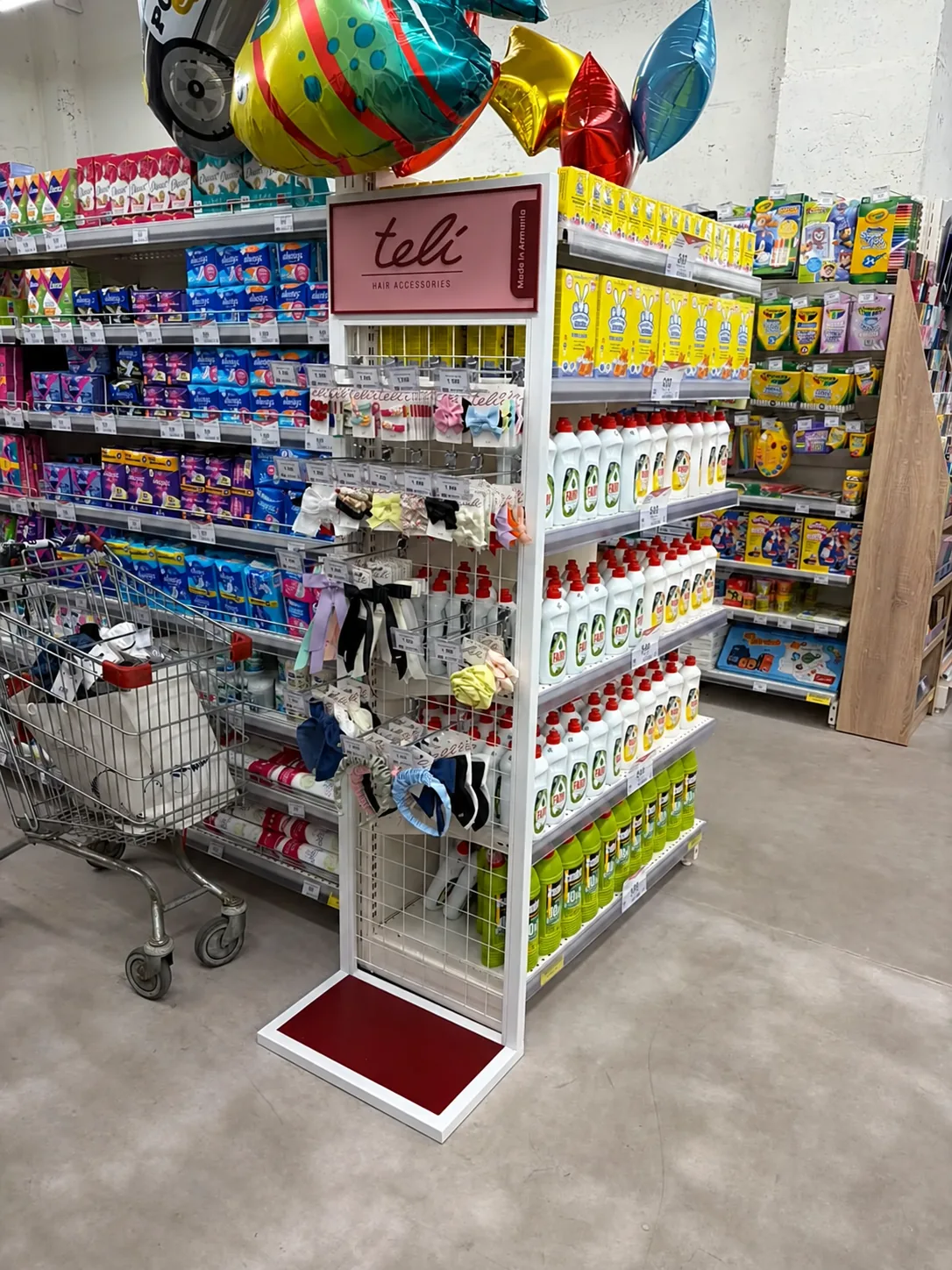
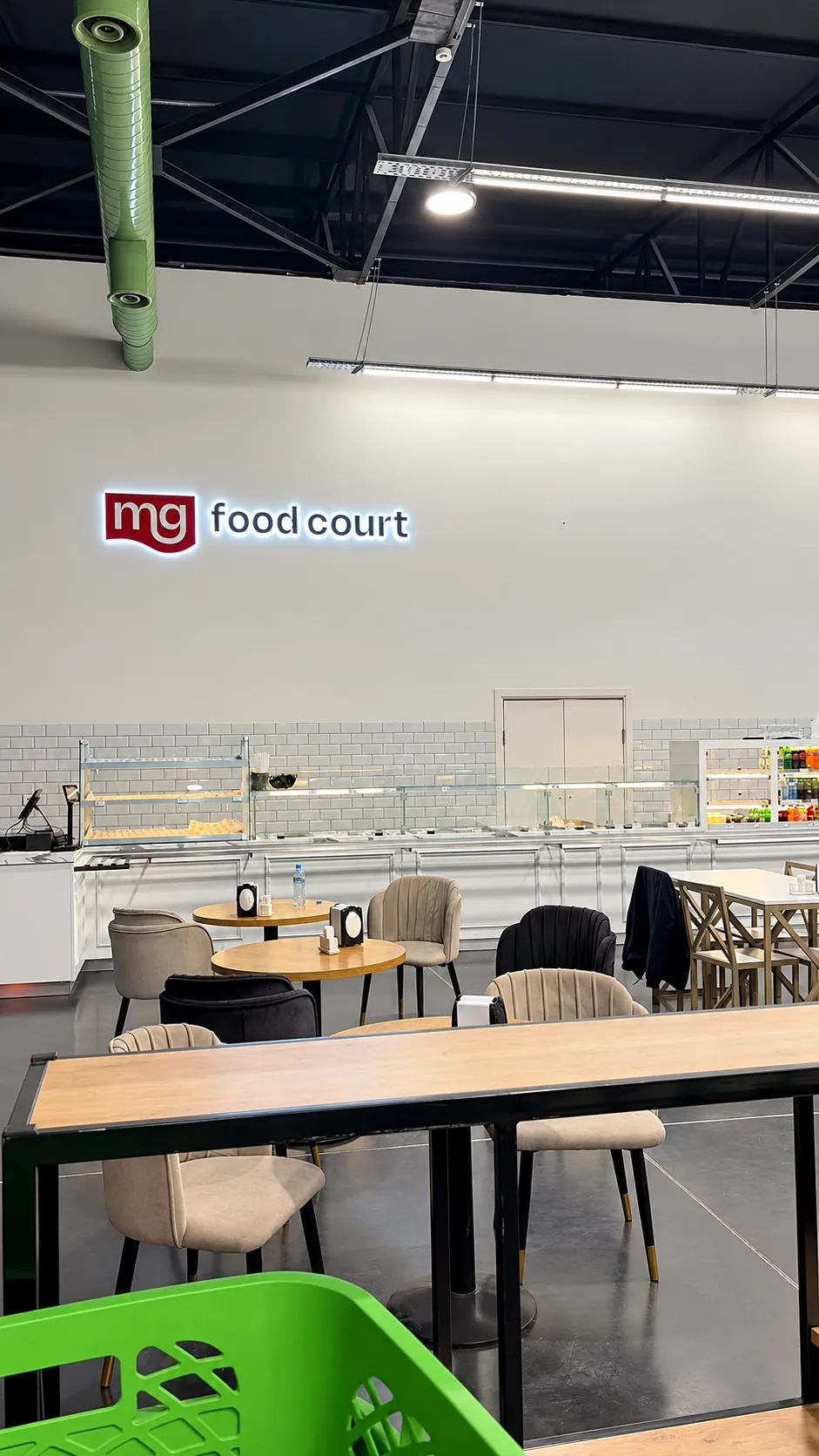
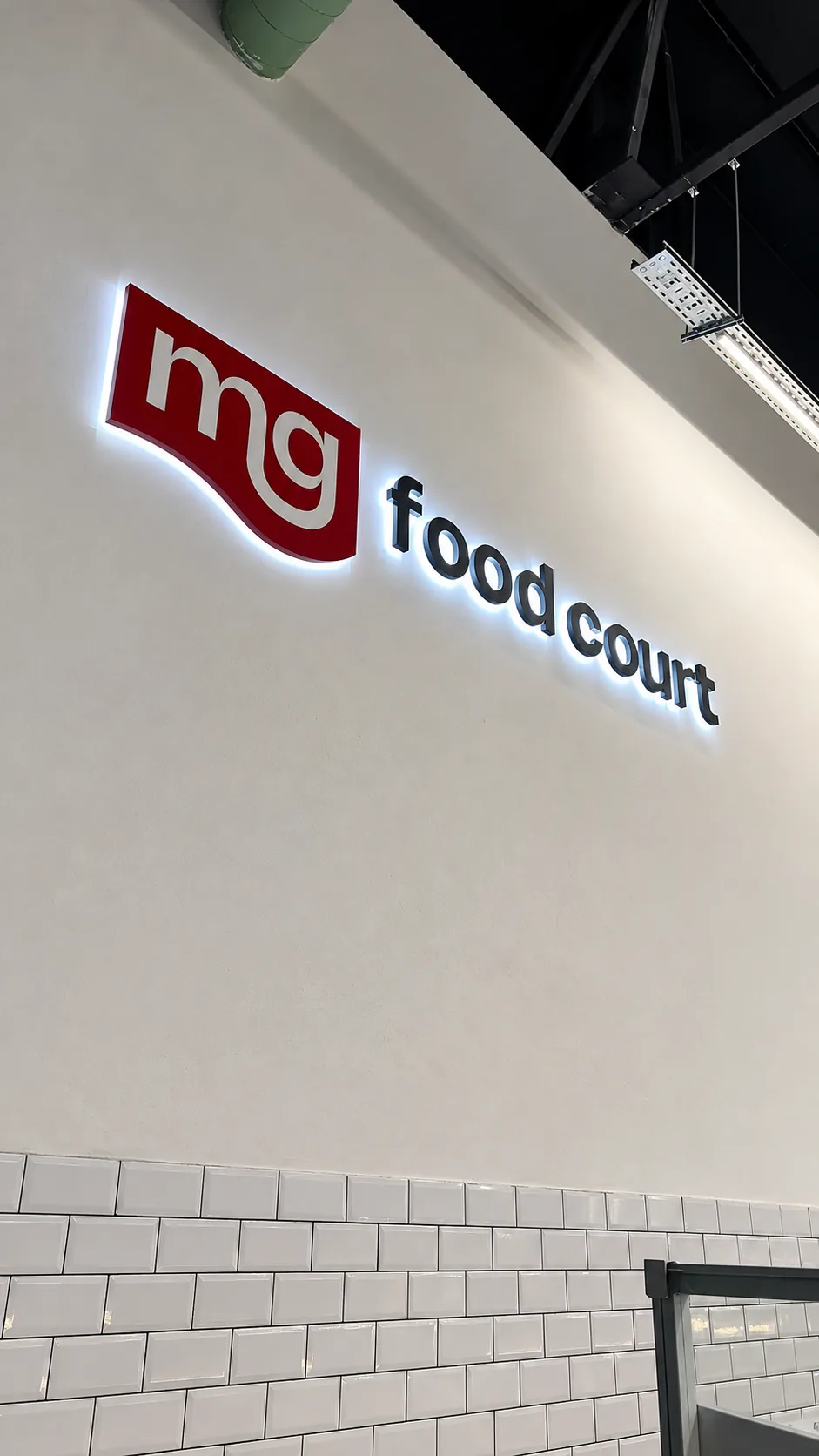
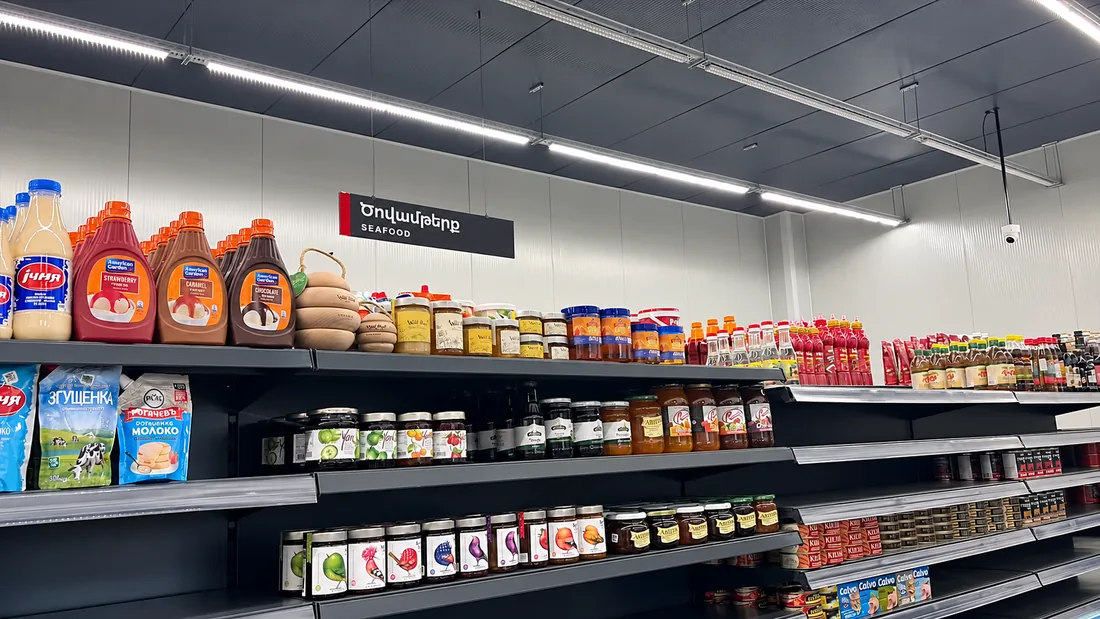
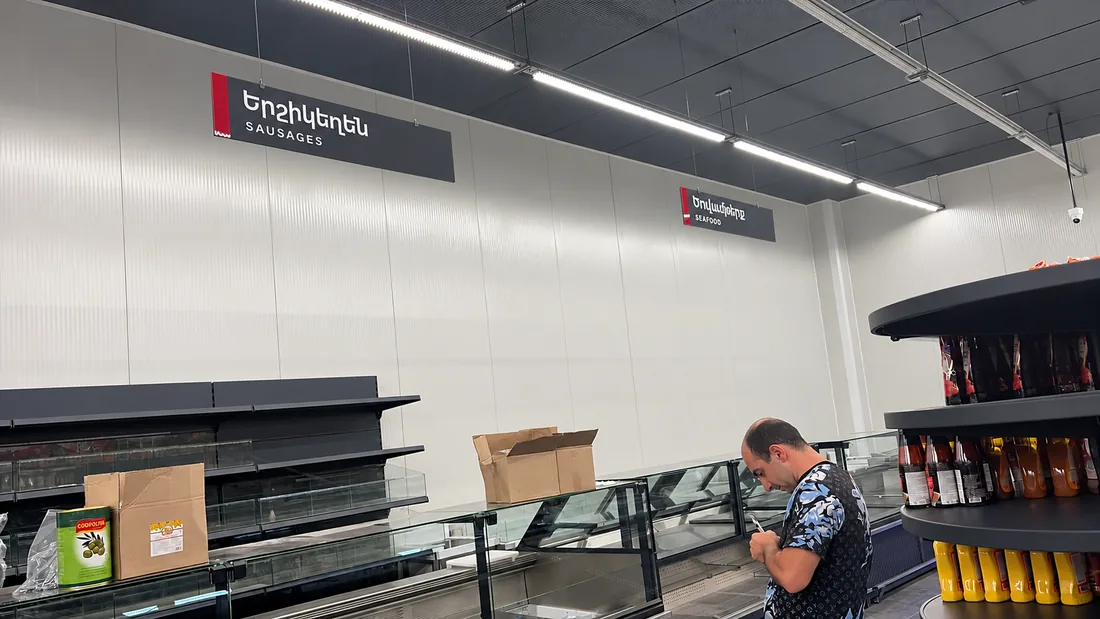
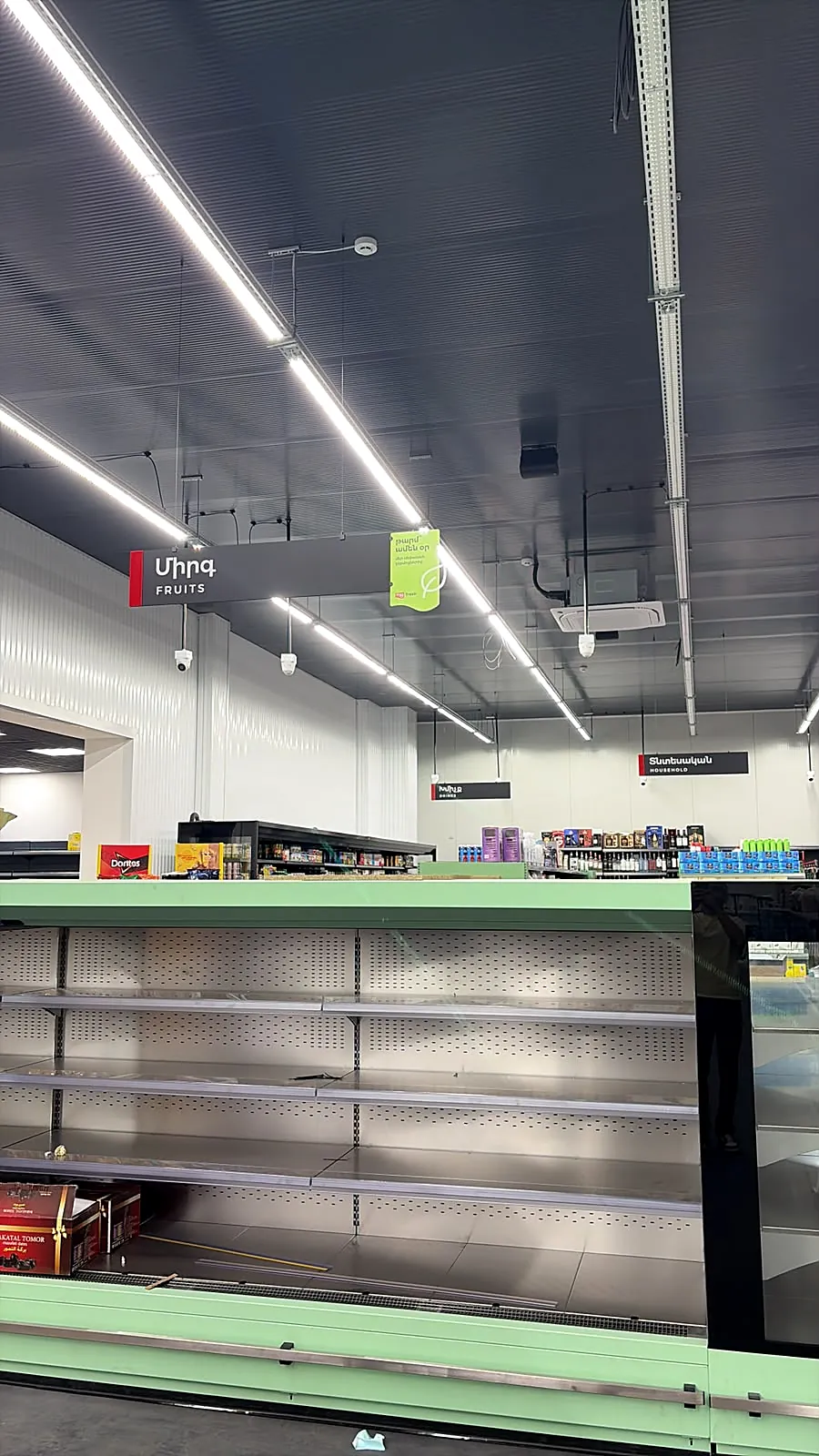
The common types are shelf media, aisle signs, floor graphics, cart panels and mall panels. Shelf media include shelf strips, shelf talkers and small stands placed at the product. Aisle signs hang above a row or stand at its end and point to a category. Floor graphics are printed films covered with a slip-resistant laminate. Cart panels travel with the shopper through the store. In mall corridors, brands appear on panels, columns, hanging banners, lightboxes and screens. Materials are usually printed card or plastic, composite panels, vinyl film and lightbox fabric, chosen by how long the piece will stay up.
How do you prepare files for shelf, floor and mall media?
Prepare files only after the shop or mall confirms the size, material and fixing method for each spot. Each spot needs its own layout, because a design stretched from one size to another usually loses its readable text. Keep the brand and the main line large on corridor panels and floor graphics, and save product details for the shelf. Use a vector logo, follow the printer's settings for bleed, resolution and colour profile, and leave room for the retailer's own labels where they share the space.
- Exact size and material for each spot
- A vector logo and the text in every language
- Photos of each spot from a shopper's eye level
- The venue's rules on fixing and materials
- How often the message will be updated
How do you choose the right in-store media for a product?
Choose by where the decision happens for your product. If people compare options on the shelf, start with shelf media, and add aisle, floor or corridor pieces only where they lead shoppers to that shelf. A new brand that people do not know yet usually needs a visible corridor or entrance piece first, while a familiar product gains more from a reminder at the point of choice. Check which spaces the venue actually offers, since the owner decides what can be placed, and plan how often the message will change before you settle on materials.
| Shopper's moment | What fits | Typical media | |
|---|---|---|---|
| Entrance | Noticing | Name, colour, one offer | Floor stands, banners |
| Mall corridor | Walking past | Brand and one short line | Panels, columns, screens |
| Aisle | Finding | Category and direction | Hanging and end-of-row signs |
| Shelf | Comparing | Product benefit | Shelf strips, shelf talkers |
| Checkout | Waiting | Short reminder | Counter displays, small screens |
Confirm the specific format and placement options with CONTURA.
A few useful answers
Where does in-store advertising work best?
In-store advertising works best close to the product and the decision: at the shelf, in the aisle and near the checkout. At the entrance and in mall corridors people are still walking, so a brief message with the brand and one offer works better there.
What are floor graphics in a shop or mall?
Floor graphics are printed films stuck to the floor that guide shoppers or show a message along their route. They need a slip-resistant laminate, a floor surface they grip well and a design that reads from standing height. Heavy foot traffic wears them, so they are usually treated as temporary.
Can a brand be shown in a shopping mall corridor?
A brand can appear in a mall corridor on panels, columns, hanging banners, lightboxes or screens, depending on what the mall offers. The mall's management decides which spaces are available and which sizes and materials are allowed, so its terms are the starting point for the design.
Who approves advertising inside a shop or mall?
The management of the shop or shopping mall approves it, because it controls the space and sets the rules for sizes, materials, fixing methods and placement. Pieces outside the entrance may also fall under municipal rules, which differ by municipality, so check them before production.
What is the difference between shelf media and mall panels?
Shelf media sit on or next to the product, where a shopper is already comparing options, so they carry a product benefit in a small space. Mall panels are seen from a distance by people walking past, so they need a large brand name and one short line.
Which in-store format suits a new product?
For a new product, shelf media and an aisle sign usually do most of the work, because they meet the shopper at the point of choice. A mall panel or a floor graphic on the route can build awareness earlier, if the venue allows it and the product is stocked nearby.
How should I prepare artwork for in-store advertising?
Start with the exact sizes and materials the shop or mall gives you for each spot. Make a separate layout for each size instead of scaling one design, use a vector logo and check the printer's requirements for bleed, resolution and colour profile before sending files.
What affects the cost of retail and mall advertising?
The cost depends on the number of spots and sizes, the materials, whether a piece is lit, how many language versions you need and how often the message changes. Fees for using the space are set by the shop or mall owner and agreed with them separately.
How durable are in-store displays and floor graphics?
Durability depends on the material and the foot traffic. Rigid panels and lightbox frames serve many campaigns if they are kept clean, while card shelf media and floor graphics wear faster and are usually replaced with each promotion. Wipe surfaces gently and replace damaged floor films promptly.
Can in-store signs combine Armenian, Russian and English text?
Mixed lettering works in a shop when each language has a clear place and size. Shelf media have little room, so one main language with a short line in a second one reads better than three equal blocks. Check any rules on the language of signs before printing.
Will in-store advertising be readable under shop lighting?
Readability indoors depends on the shop lighting, glare and viewing distance. Matte films and laminates avoid reflections under bright ceiling lights, high-contrast colours help in dimmer corners, and a lightbox keeps a panel visible where the space is dark. Check each spot at its busiest hours.
What happens after I call CONTURA about in-store media?
CONTURA asks about the shop or mall, the spots you are considering and your message, then explains what to check with the venue's management. Photos of the spots and the sizes the venue has given you make that first conversation specific.
Related formats
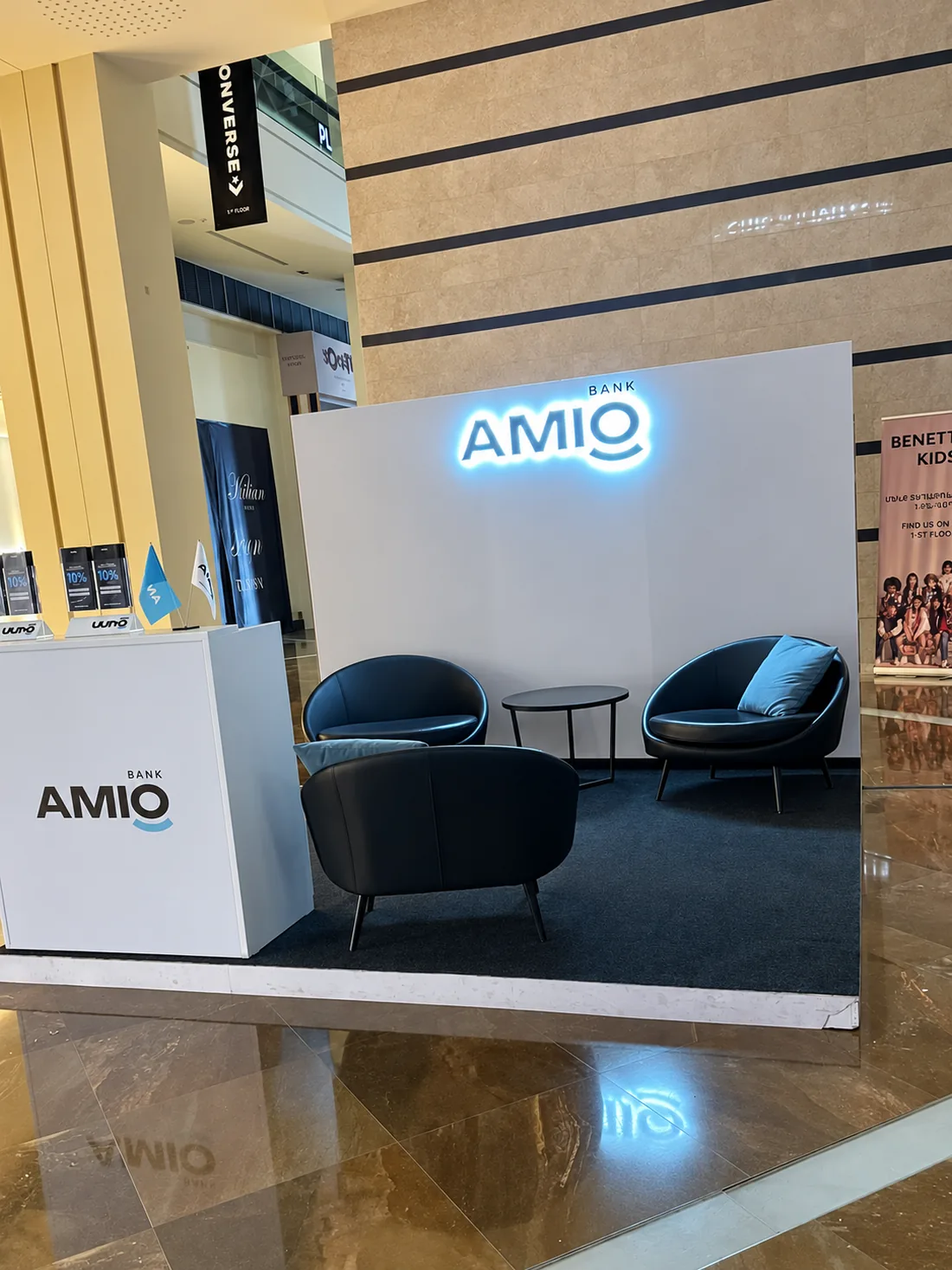
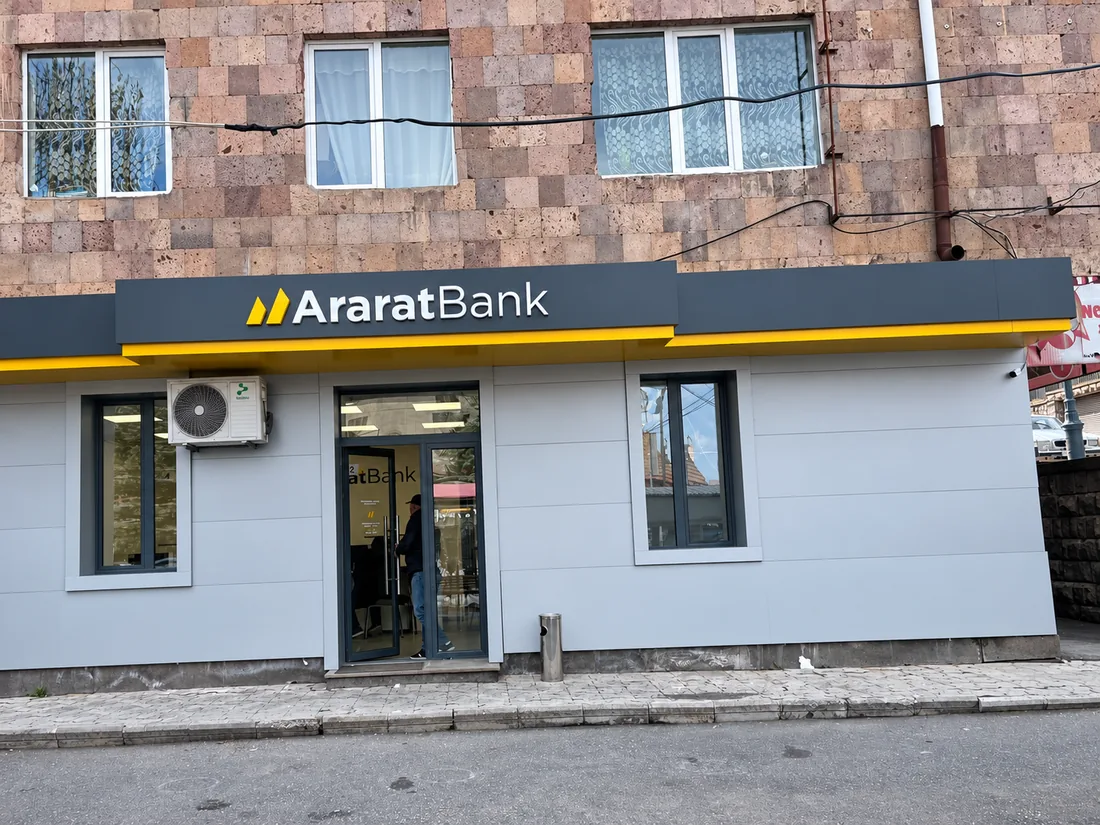 Banks & ATMsHelp people locate a service point and recognise the machine quickly.
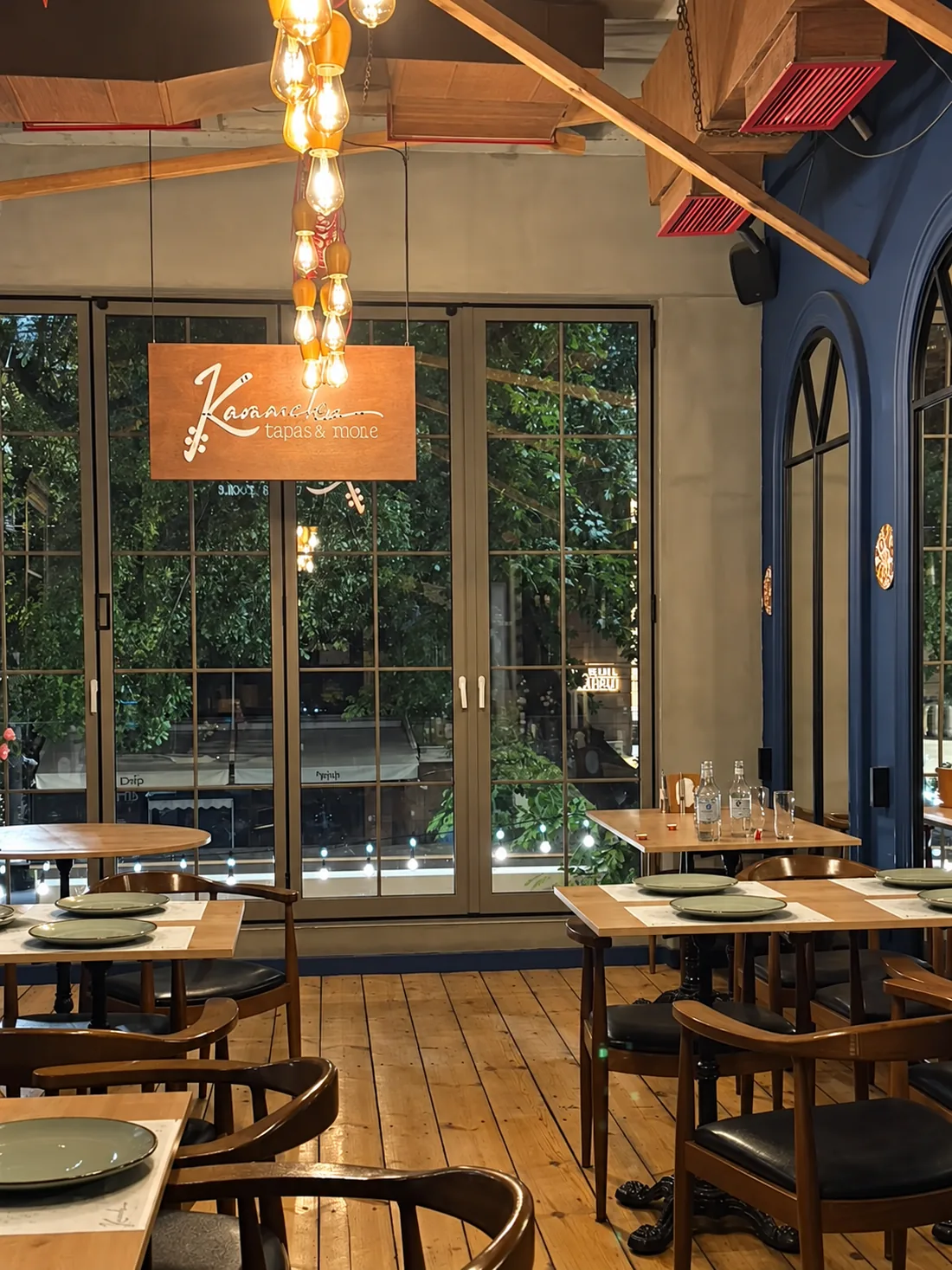 Cafes & restaurantsMark the entrance and signal a place’s character before a visit.
 Cinema, arena and venue mediaConnect a message with a film, match or event visit.
 Exhibitions and pop-upsMake a temporary space immediately clear: who is here and where to approach.
Let's make your
idea visible
Tell us what you have in mind. We'll talk through where to begin.