

Exhibitions and pop-ups
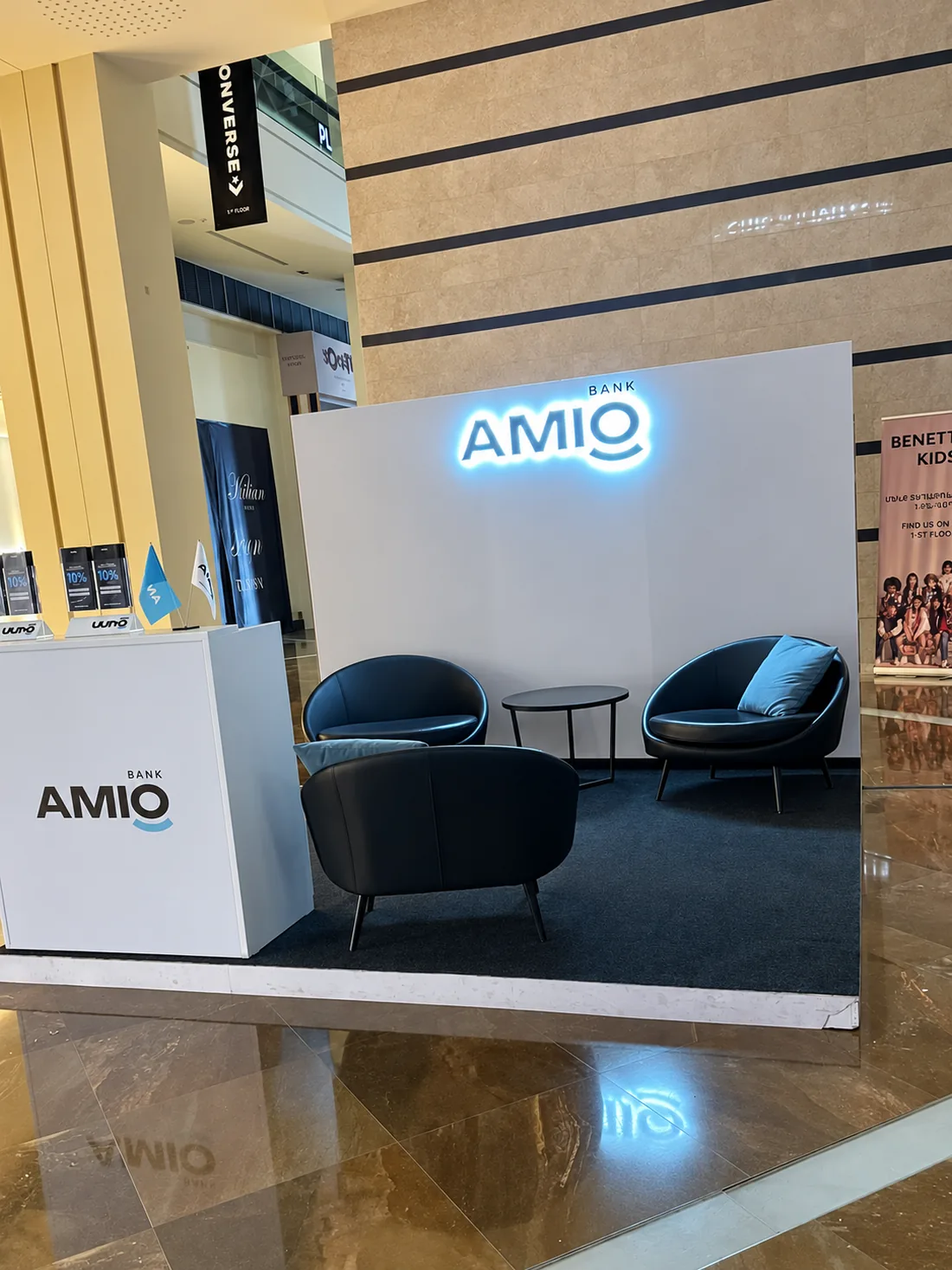
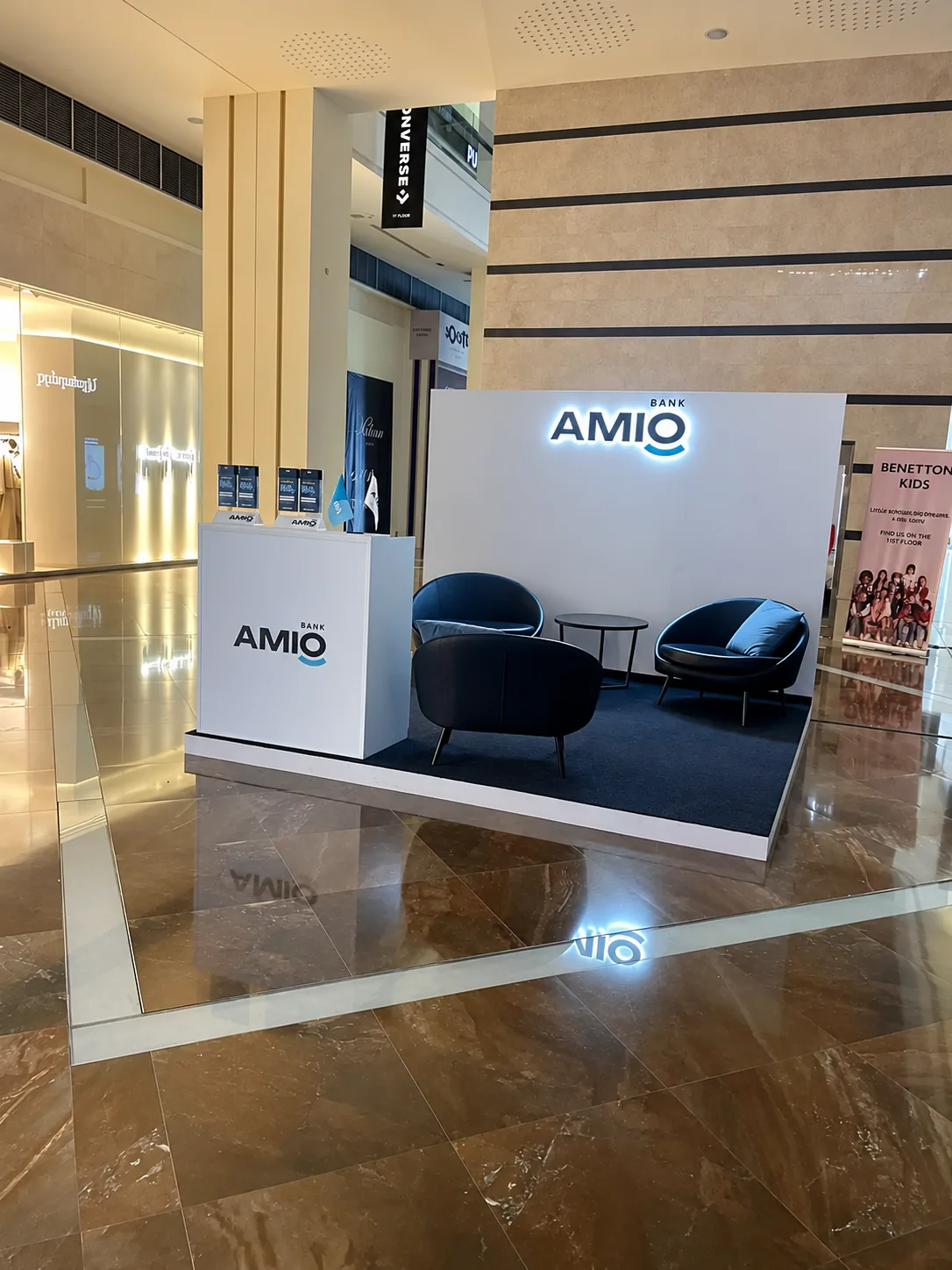
How exhibition stands and pop-ups make a temporary space clear
Exhibition and pop-up graphics are the temporary signs, backdrops and displays that tell visitors who you are and where to approach at a trade show, a fair or a short-term shop. They suit launches, events and seasonal sales, where a space has to work at once and is often packed up and used again. Call CONTURA to discuss your stand or pop-up and what it should say.
Format options
Exhibition stands, portable backdrops and pop-up shops.
What to discuss
Confirm site dimensions, setup time, transport, reuse and venue rules.
How do exhibition stands and pop-up shops work?
An exhibition stand and a pop-up shop both have to explain themselves quickly to people who are walking past with other options around them. Visitors usually scan from a distance first, so the name and a short message go high on the back wall or on a hanging sign, where they stay visible above the crowd. Closer up, the backdrop, a counter and product displays tell the rest, and directions lead people in. These pieces work as one route from first sight to conversation, and each has to fit the venue's rules and the space you have.
What types of stands and portable displays are there?
Most temporary spaces are built from a few standard pieces. Organisers often provide a basic shell stand with walls you dress with graphics, while a space-only plot lets you bring your own structure. Portable pieces such as roll-up banners, fabric backdrops on folding frames, modular frame walls and branded counters cover most needs. A pop-up shop adds shelving, a sign above the entrance and a place to pay. The table compares the main portable options by setup, reuse and the stands they suit.
How do I choose stand graphics, and what affects the cost?
Choose by how often you exhibit and how much space you usually get. For a single event, simple pieces that fit the stand plan are often enough. For a series of events, a modular system with replaceable graphics makes more sense, because the frame stays and only the print changes. The cost then depends on a set of factors rather than one figure per stand, so it is easier to discuss once the stand plan is known.
- Stand size, height and number of open sides
- Printed area, material and print method
- Lighting, power and any built elements
- Transport, storage and the number of events
- Venue requirements such as fire-rated materials
How do I prepare the design and files for an exhibition stand?
Start with the venue's stand plan: dimensions, height limit, open sides, neighbouring stands and the position of power points. Ask the organiser for the technical manual, which sets the deadlines, fixing rules and material requirements. Design each panel at its real proportions, keep text out of the lower part that visitors and furniture hide, and keep it away from edges where frames or seams fall. Supply the logo as vector artwork and photos at full print resolution, and follow the printer's bleed and file requirements.
| How it is set up | Reuse | Best for | |
|---|---|---|---|
| Roll-up banner | Pulls up from its own base | The print can be replaced in many bases | Small stands, entrances and lobbies |
| Fabric backdrop | Folding frame with a printed fabric cover | The frame stays, the fabric is reprinted | Back walls of small and mid-size stands |
| Modular frame system | Frames and panels joined into walls and counters | Reconfigured for different stand sizes | Companies that attend several events |
| Custom-built stand | Built on site for one layout | Limited, some parts can be reused | Large stands and a strong brand presence |
Confirm the specific format and placement options with CONTURA.
A few useful answers
What does an exhibition stand need first?
An exhibition stand first needs a name or logo that is visible from a distance, a short message about what you offer and an open, obvious way in. Product displays, screens and brochures come after that, once people have decided to step closer.
What is the difference between a shell scheme stand and a space-only stand?
A shell scheme stand is a basic booth the organiser provides, with walls, a name board and often lighting, which you dress with your own graphics. A space-only stand is an empty floor plot where you bring your own structure, so it gives more freedom but needs more planning.
How is a pop-up shop different from an exhibition stand?
A pop-up shop sells directly and usually stays open longer than a single event, so its signage has to work from the street or the mall corridor, show what is sold and guide people to the products inside. A stand is mainly for meeting visitors and starting conversations.
Which display is best for a small exhibition stand?
A fabric backdrop or a pair of roll-up banners with a branded counter usually works best on a small stand. They pack small, stand without fixings to the venue walls and keep the floor open for visitors. Hanging signs and tall structures matter more on larger stands.
What information do I need from the venue before designing a stand?
You need the stand size and position, the height limit, the open sides, setup and dismantling times, the power points and the venue's rules for fixings and materials. Most of this is in the organiser's technical manual, so ask for it early.
How do I prepare print files for exhibition graphics?
Design each panel at its real size or at exact scale, keep important text above the area hidden by people and furniture, and leave margins where frames and seams fall. Use vector artwork for logos and full-resolution photos, and follow the printer's bleed and colour requirements.
What affects the cost of an exhibition stand?
The main factors are the stand size and height, the printed area and materials, built elements such as counters or walls, lighting and power, transport and storage, and how many events the stand will serve. The cost is easier to discuss once the stand plan is known.
Can exhibition stand elements be reused?
Exhibition elements can be reused when they are planned for it. Modular frames, fabric backdrops and roll-up bases can be assembled again at the next event with new graphics, as long as they are packed carefully and stored dry. Panels in standard sizes make reuse easier.
What rules apply to exhibition stands and pop-up shops?
Exhibition stands follow the venue's technical rules on height, fixings and fire-rated materials, and some venues ask for material certificates. A pop-up shop in a mall follows the mall's rules, while one on the street may need the municipality's approval. Check these before production.
Should exhibition graphics be in Armenian, Russian or English?
That depends on who visits the event. A common approach is to lead with the brand name and one main language and add a short line in a second language for other visitors. Keep each language in its own clear block, because mixed lines are hard to read from a distance.
How do I keep an exhibition stand readable under hall lighting?
Plan your own lighting for the name and the main wall, because hall lighting is often uneven and can be dim at the back of a stand. Matte materials avoid glare from spotlights, and a lightbox or backlit fabric keeps the name readable when the hall is dark or the event runs into the evening.
What happens after I call CONTURA about an exhibition stand?
You describe the event, the stand size and what visitors should understand about you. The venue's stand plan and technical manual help the conversation if you have them. Together you then discuss which displays and graphics fit and agree on the next steps.
Related formats
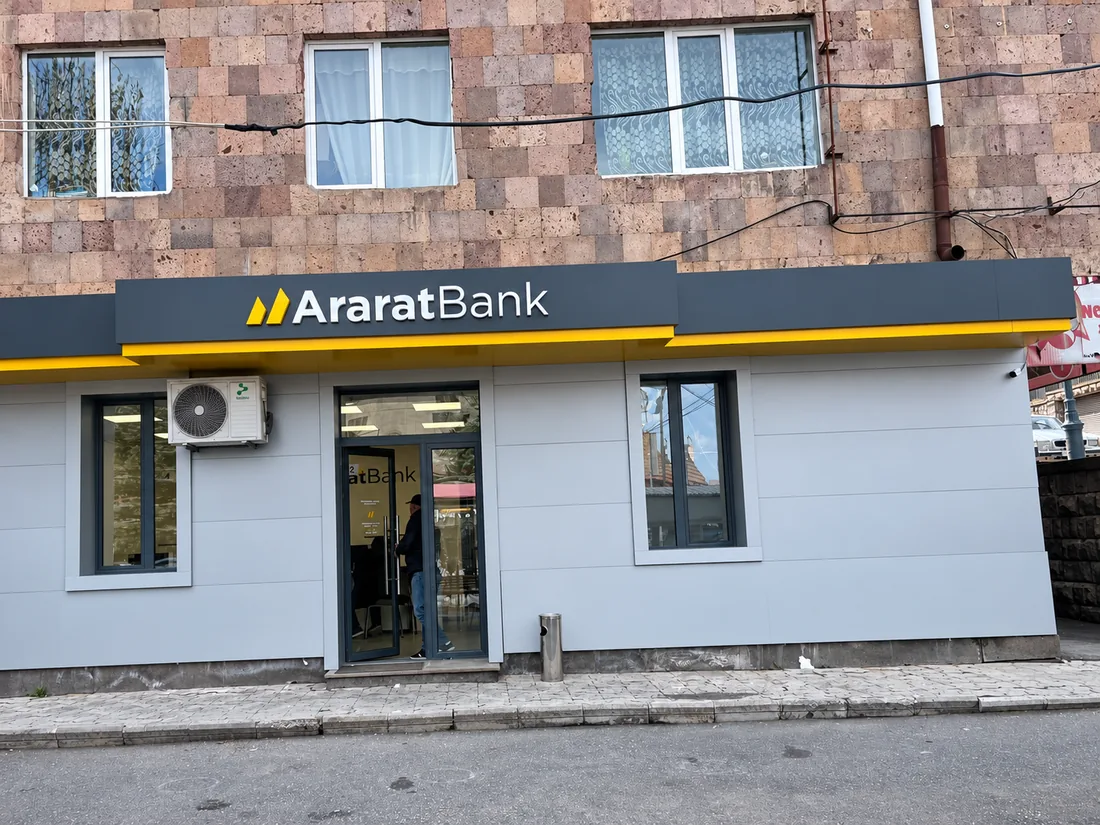 Banks & ATMsHelp people locate a service point and recognise the machine quickly.
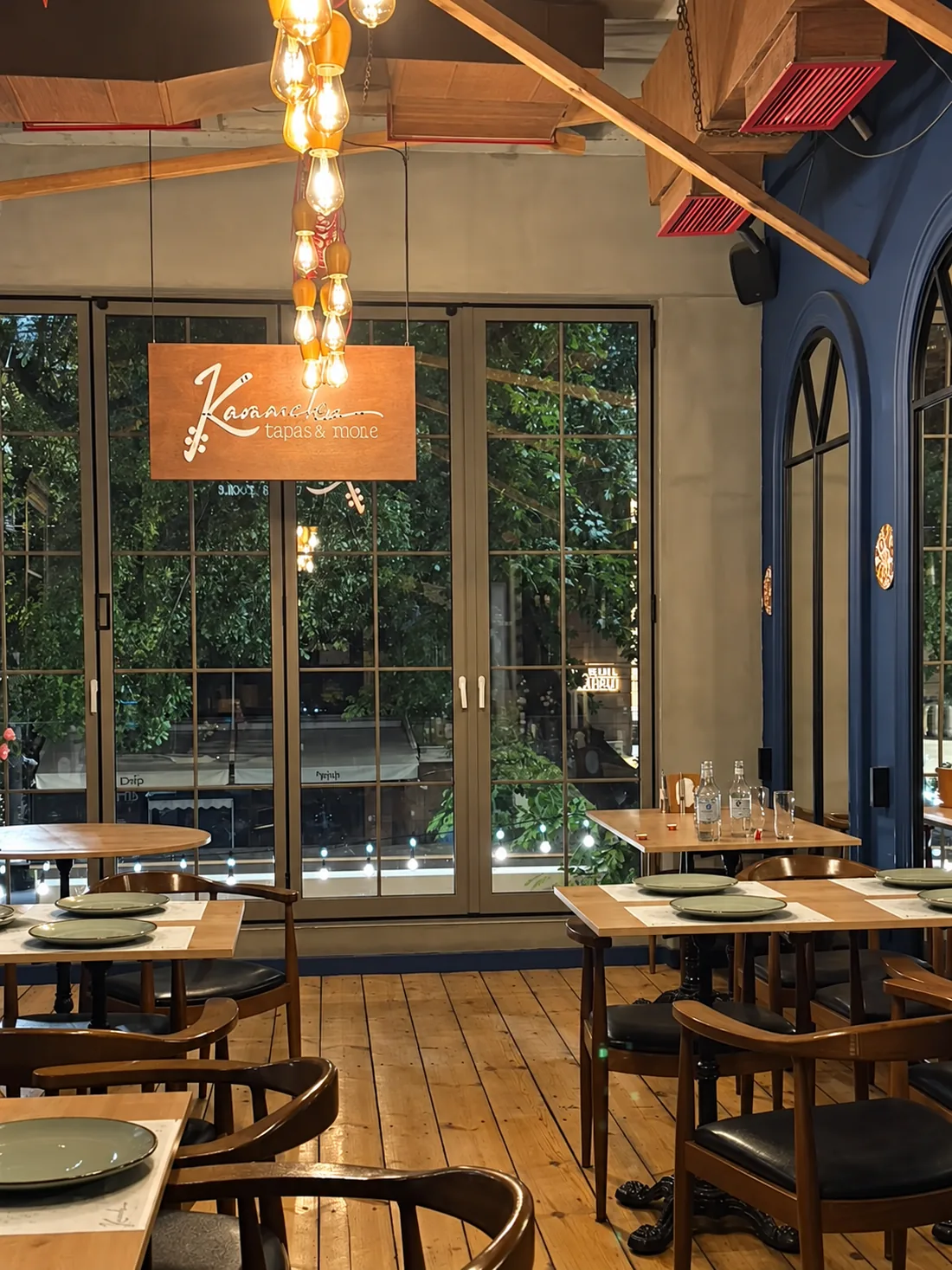 Cafes & restaurantsMark the entrance and signal a place’s character before a visit.
 Retail, mall and in-store mediaAppear near moments of selection and purchase.
 Cinema, arena and venue mediaConnect a message with a film, match or event visit.
Let's make your
idea visible
Tell us what you have in mind. We'll talk through where to begin.