

Shelters and street furniture
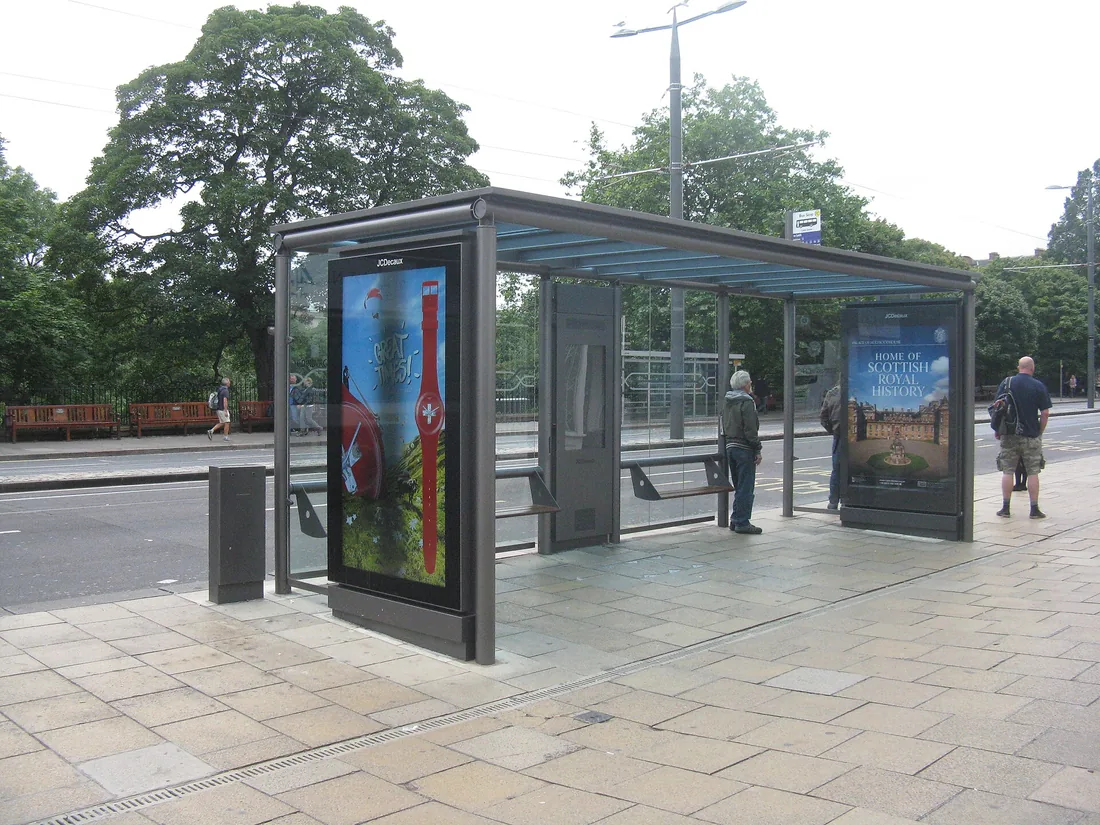 Format example

How bus shelter and street furniture advertising works
Shelter and street furniture advertising places posters or backlit panels on bus shelters, kiosks, benches and similar street units, at pedestrian eye level. It suits local offers, openings and messages that need a moment to read, because people stand close and often wait. To talk through a shelter campaign idea and the files it needs, call CONTURA on +374 91 120 240.
Format options
Shelter panels, benches, kiosks and bicycle-station displays.
What to discuss
Confirm unit availability, placement rights, viewing side, lighting and visual clutter.
How does advertising on bus shelters and street furniture work?
Street furniture advertising uses display frames built into public amenities such as bus shelters, kiosks and benches. A printed poster or backlit film sits behind glass or acrylic, and the company that holds the rights to the units, usually an outdoor media operator working under municipal rules, changes the posters for each campaign. Because the frames stand on the pavement, people see them from a few steps away or from right beside them. That closeness gives more reading time than a roadside panel, so a product image, a short explanation or a nearby address can work here.
Which street furniture formats are there?
The main street furniture formats differ in size, viewing distance and how long people stay near them. A shelter panel is read by people waiting and by those walking or driving past, while a bench or kiosk panel is seen mostly from the pavement at close range. Which units exist on a street depends on the operator and the municipality, so the list below describes common types rather than a fixed set. The smaller the surface, the simpler the design should be.
- Shelter panels on the side or end walls of a bus shelter, often backlit
- Kiosk panels on the walls of a newsstand or service kiosk
- Bench backrests with a printed panel facing the pavement
- City information panels with a map on one side and advertising on the other
- Displays beside bicycle stations
Where does shelter advertising work best, and how do you choose the spot?
Shelter advertising works best where people stop or slow down: busy stops, crossings, market and school routes, and streets close to the shop or branch being advertised. The side of the panel matters as much as the stop itself. A side facing the main flow of pedestrians or approaching traffic is seen first, while the inner side is read by people waiting. Evening light, trees, kiosks and nearby ads also change visibility. Cost usually depends on the location, the number of units, the display period, lighting and printing.
How do you prepare a design for a shelter panel?
Start from the operator's specification, because the visible area, the bleed and the file format differ between units. Keep one main message and a headline that reads from across the pavement, then add the detail people can read while they wait. A poster that works by day can look different with the backlight on, so check contrast both ways. Long text, thin type and small logos are the usual reasons a street poster fails to read.
- Ask for the exact visible size and the margin hidden by the frame
- Keep text and logos well inside the safe area
- Check contrast in daylight and with the backlight on
- Give a short address or web address instead of long text
- Send print-ready files in the format the operator requests
| Shelter panel | Kiosk | Bench | |
|---|---|---|---|
| Viewing distance | Close up to across the street | Close, from the pavement | Close, from the pavement |
| Time with the message | Longer, while people wait | Short, while passing | Short to medium |
| Lighting | Often backlit | Sometimes lit | Usually unlit |
| Best content | Image, offer and address | Name and one message | Name and short contact |
Confirm the specific format and placement options with CONTURA.
A few useful answers
Why advertise on bus shelters?
Bus shelters put your message at eye level where people stand and wait, often on the same route every day. That suits local offers, openings and messages that need a moment to read, and it also reaches pedestrians and drivers passing the stop.
Are bus shelter advertising panels lit at night?
Many shelter panels are backlit, so the poster reads in the evening as well as by day. Lighting differs between units and operators, so ask whether a particular panel is lit before you book it and design with the backlight in mind.
Which side of a bus shelter is better for advertising?
The better side is usually the one facing the main flow of pedestrians or approaching traffic, because people see it first. The inner side suits longer reading by people waiting. The direction of approach is checked for each stop.
Can kiosks and benches carry advertising?
Kiosks and benches can carry advertising where the unit's owner and municipal rules allow it. These surfaces are smaller and seen from closer, so the design should be simpler: a name, one message and a clear contact.
How is shelter advertising different from a roadside panel?
A shelter panel is seen at eye level from a few steps away, often by people who are waiting, while a roadside panel is read from a moving car in a glance. Shelter posters can therefore carry a little more detail, such as a product image or an address.
What size is a bus shelter advertising poster?
Sizes vary between shelter designs and operators, so there is no single standard to design for. Ask the operator for the exact visible area, the full print size and the margin hidden by the frame before the design starts.
How should I prepare files for a shelter poster?
Prepare files to the operator's specification for size, bleed, resolution and colour. Keep the headline and logo inside the safe area, check contrast with the backlight on, and send print-ready files unless the operator asks for something else.
What affects the cost of street furniture advertising?
The main factors are the location and how busy it is, the number of units, the display period, whether the panels are lit and the printing of the posters. Changing the design during a campaign adds printing and posting work.
Do I need a permit to advertise on a bus shelter?
Shelter advertising usually goes through the operator that holds the rights to the units, under rules that differ by municipality. Check which rules apply to your location and content, including any language requirements, before the posters go to print.
Can a shelter poster combine Armenian and Latin lettering?
A shelter poster can combine Armenian and Latin lettering if one script clearly leads and the other stays secondary. Choose a typeface family that covers both scripts in matching weights, and check that the smallest line still reads from the pavement.
How well do shelter posters hold up outdoors?
Posters behind glass or acrylic are protected from rain and dirt, but strong sun can fade colours over a long display. Operators often clean the frames and replace damaged posters, so ask what is included and keep spare prints for a long campaign.
What happens after I call CONTURA about a shelter campaign?
You describe what you want to advertise, near which places and when. CONTURA talks through whether shelters and street furniture suit that goal, what to ask the operator and what to prepare for the design, then you agree the next steps.
Related formats
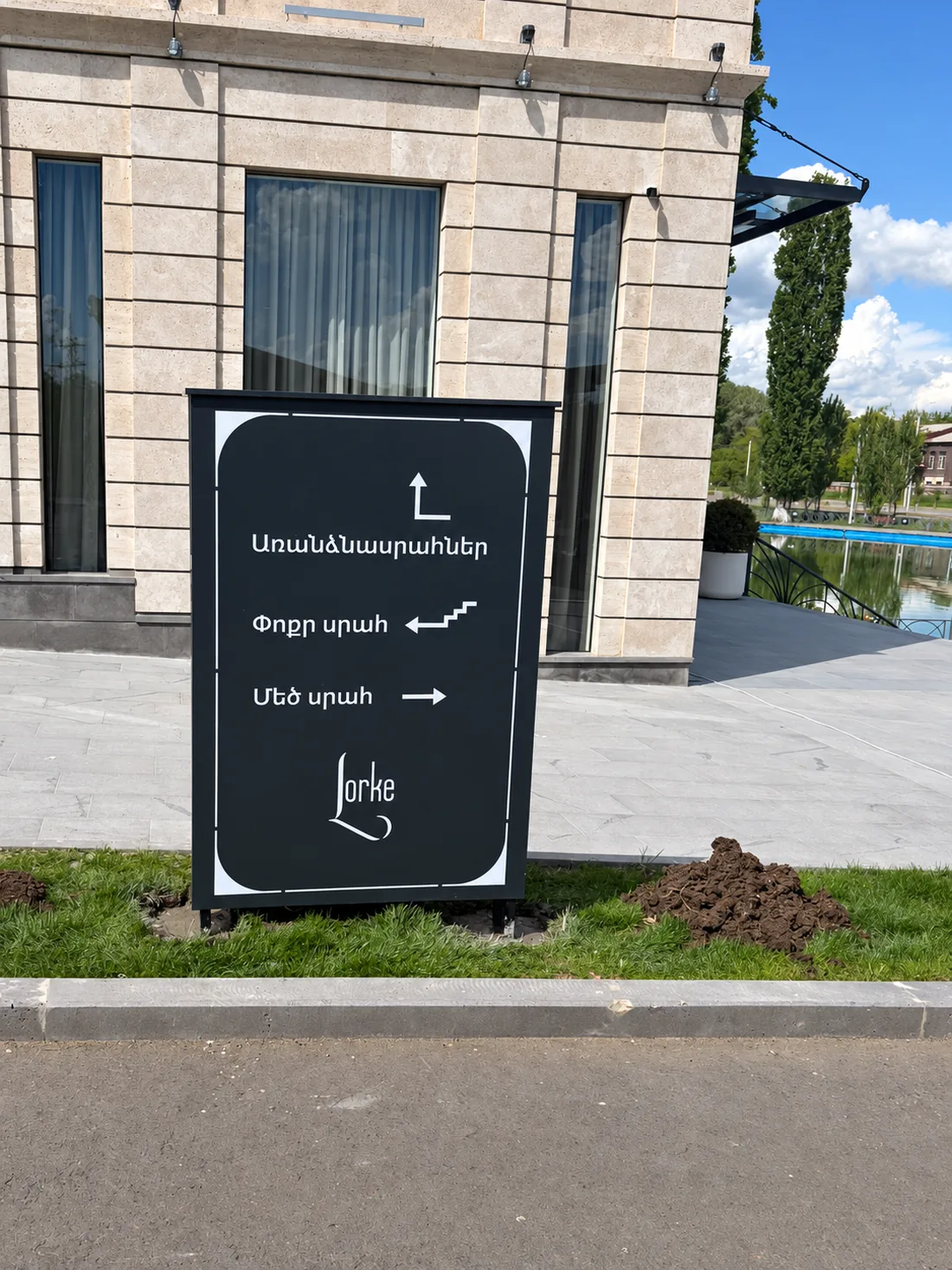 Posters and city panelsDeliver a local message at street and neighbourhood scale.
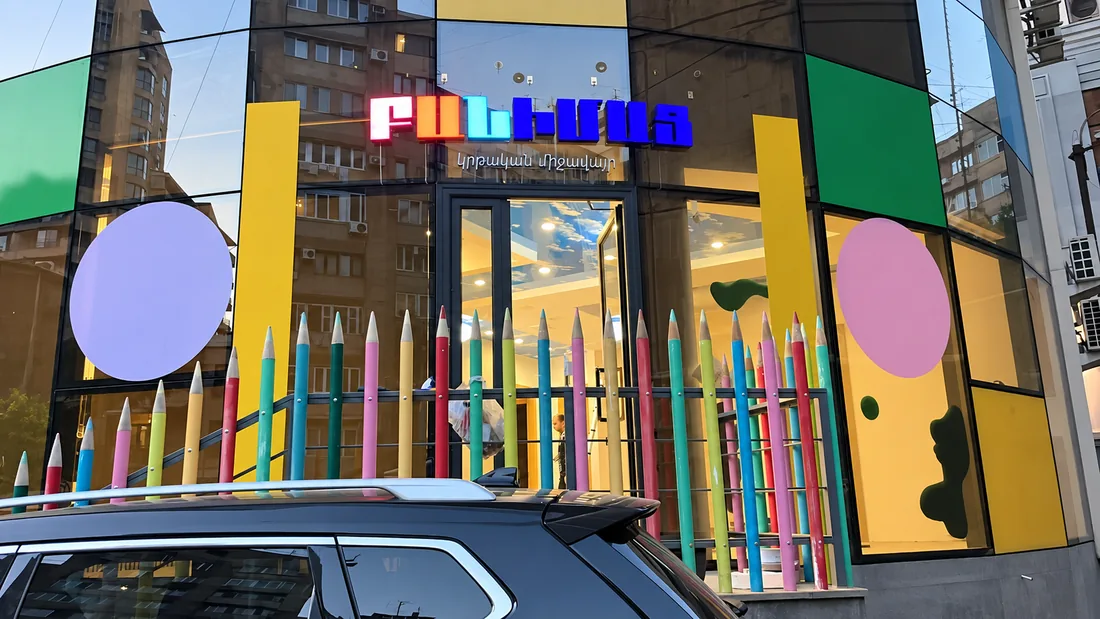 Wallscapes and building wrapsTurn a large building surface into a city-scale visual message.
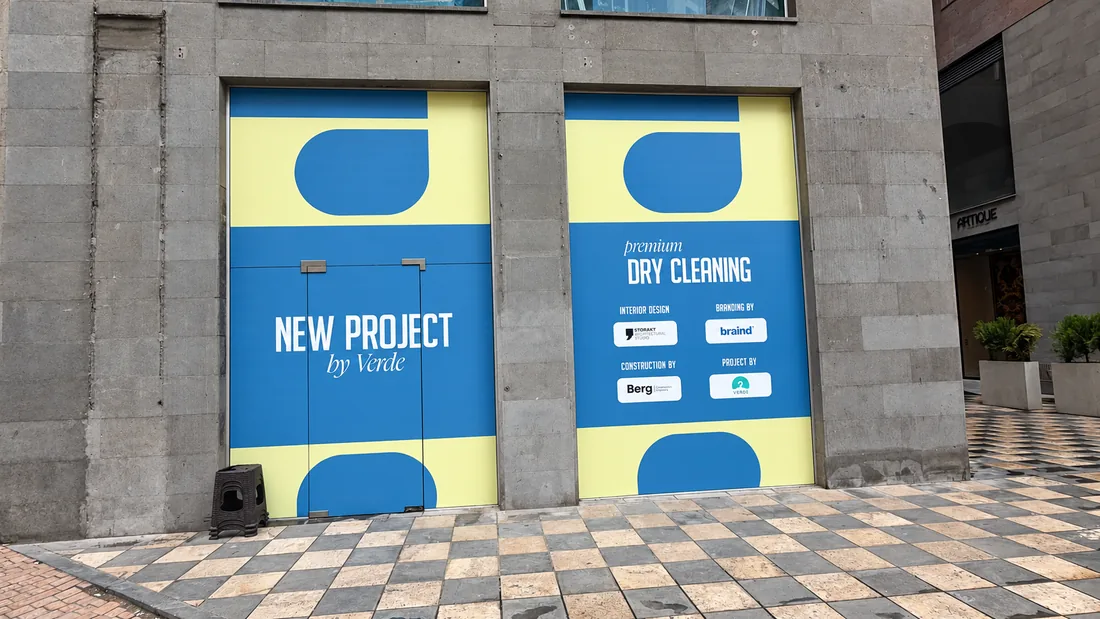 Construction hoardingsTurn a temporary boundary into a clear information and brand surface.
 SpectacularsGive a single public message a distinctive large-scale form.
Let's make your
idea visible
Tell us what you have in mind. We'll talk through where to begin.