

Posters and city panels
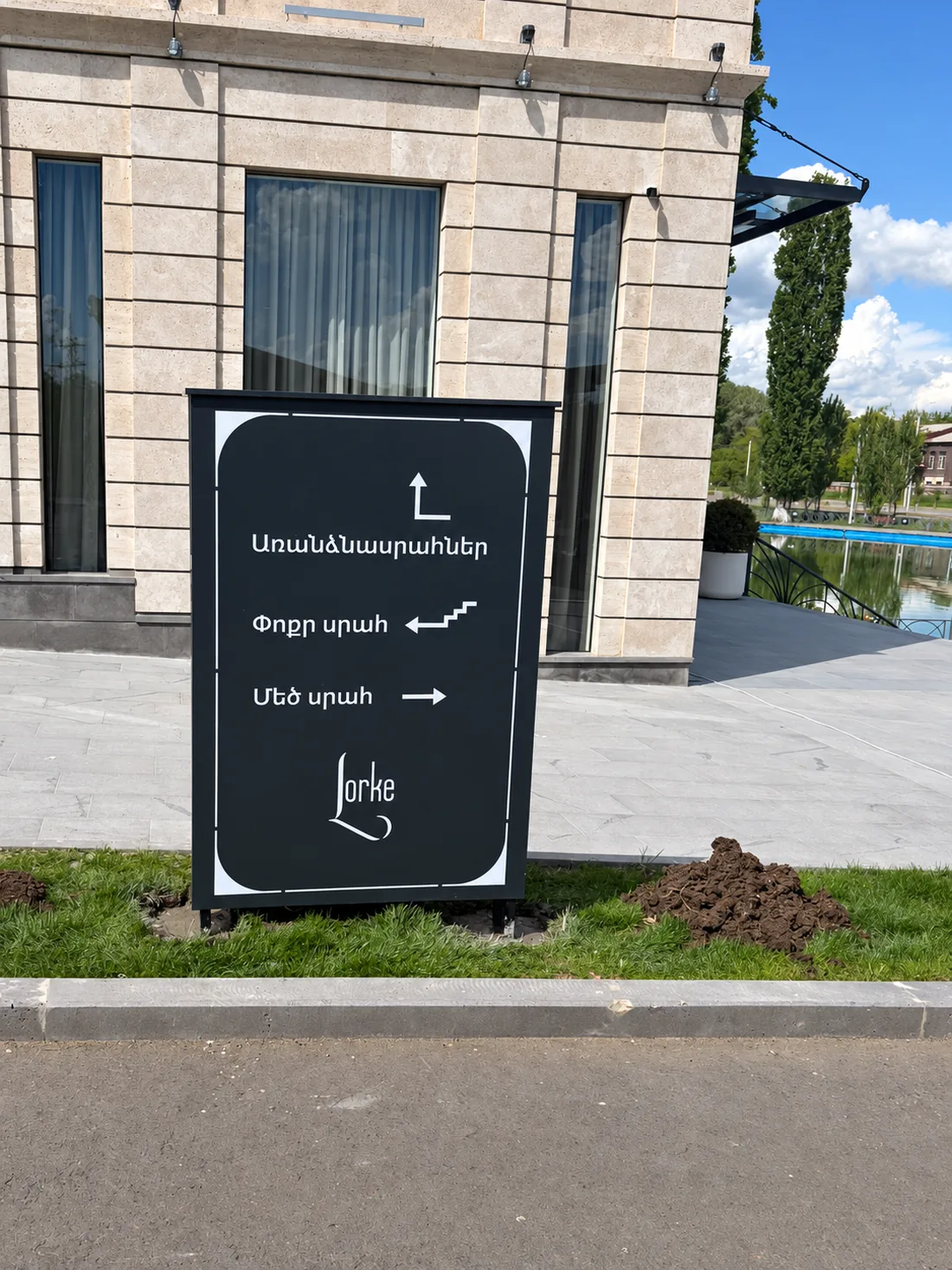
Posters and city panels: advertising at street level
Posters and city panels are printed advertising displays at street level: paper posters on walls and boards, and backlit city light panels at stops and on pavements. People on foot see them up close. They suit businesses that serve a neighbourhood and short campaigns for openings or events. Call CONTURA on +374 91 120 240 to talk through your message and which panel format fits it.
Format options
Street posters, junior panels and pedestrian panels.
What to discuss
Assess local footfall, reading height, nearby messages and replacement frequency.
How do posters and city panels work?
Posters and city panels work at walking pace: people pass them at close range and can read a little more than on a large roadside display. A street poster is printed on paper and pasted or fixed to a wall, board or frame. A city light panel holds the poster behind glass and lights it from inside, so it also reads in the evening. Most panels stand at about eye level near stops, crossings and shop entrances. People still pass quickly, so the design needs one clear focus: a large headline, one image and the name or address.
What types of posters and city panels are there?
The main types differ in lighting, size and how close people stand when they read them. Lit panels keep working after dark, while paper posters are quick to print and change, which suits short campaigns. Small panels along neighbourhood streets are seen from the pavement and from slow traffic. The right type depends on where your audience walks, how long the message needs to stay up and whether evening visibility matters for your business.
- Street posters: printed sheets on walls, boards and poster frames
- City light panels: backlit posters behind glass at stops and on pavements
- Pedestrian panels: freestanding or wall panels at eye level near entrances and squares
- Junior panels: smaller boards along neighbourhood streets, read from the pavement and slow traffic
Where do posters and city panels work best?
They work best on the routes your customers already use: near your shop, at the stops they wait at, around schools, markets and busy pavements. Being on the right route matters more than size. Before choosing a spot, check the reading height, what stands next to the panel, whether it is lit and how often the posters around it change. A panel among many others needs stronger contrast and a simpler message. For an opening or an event, panels close to the venue also work as directions.
How do I prepare a poster design and print files?
Start from the visible area, not the full sheet, because the frame covers the edges. Ask the panel operator or the printer for the template with the visible size, bleed and file requirements. Keep the headline large enough to read from a few steps away and put the details where people stop. Lit panels need translucent backlit paper or film, because ordinary paper looks dark and patchy when light shines through it. Before approving, print the design small and look at it from across a room.
- Visible area, bleed and safe margins from the operator's template
- Print-ready PDF in CMYK at full size or to scale
- Images at the resolution the printer asks for
- Fonts converted to outlines or embedded
- Backlit paper or film for lit panels
| Street poster | City light panel | Junior panel | |
|---|---|---|---|
| Lighting | Usually unlit | Lit from inside | Unlit or lit by lamps |
| Typical place | Walls, boards and frames | Stops and pavements | Neighbourhood streets |
| Viewing distance | Close | Close, at eye level | Pavement and slow traffic |
| Amount of text | Headline and a few details | Headline, image and short details | Headline and name |
| Print material | Poster paper | Backlit paper or film | Poster paper or vinyl |
Confirm the specific format and placement options with CONTURA.
A few useful answers
What is the difference between a street poster and a city light panel?
A city light panel is lit from inside and protected by glass, while a street poster is usually printed on paper and unlit. The lit panel reads in the evening and keeps the poster clean; a paper poster is simpler to print and replace, so it suits short campaigns.
Who are posters and city panels best for?
They suit businesses that serve a neighbourhood: shops, cafés, clinics, schools and local services, as well as events and openings. They reach people close to the place where they can act on the message, by walking in or remembering the address.
How much text can a city panel poster have?
A headline, one short line of detail and the name, address or phone number are usually enough. That is more than a roadside display can carry and less than a flyer. People often read while walking, so the headline has to work on its own.
What is a city light panel?
A city light panel is a backlit poster display at pedestrian height, often at bus stops or on pavements, and it is often simply called a city light. The poster sits behind glass and is lit from inside, so it reads in the evening as well as by day.
How do I choose the right location for a poster?
Choose by foot traffic, reading height and what surrounds the panel. Being on the route of the people you want to reach matters more than size, so start from where your customers walk, wait and shop, then check which other posters stand nearby.
What files does a printer need for a city light poster?
A print-ready PDF in CMYK at full size or to scale, with bleed and fonts outlined, is the usual starting point. Ask the operator for the template first, because the area visible inside the frame is smaller than the sheet, and lit panels need backlit paper or film.
What affects the cost of a poster or city panel campaign?
The main factors are the number of panels, their locations, whether they are lit, how long the campaign runs, the print material and how often posters are replaced. Designing and printing several versions of the poster also adds to the total.
How do sun and rain affect posters on the street?
Unprotected paper posters fade in strong sun and can tear or peel in rain and wind, so they suit shorter campaigns. Posters behind glass in city light panels stay clean for longer, and outdoor inks or lamination help where a poster has to last.
Do I need permission to put up posters on the street?
Posters belong only on panels and surfaces where advertising is allowed, with the owner's consent. Rules differ by municipality, and panel operators have their own content requirements, so check both before printing. Posters put up without permission are often removed.
Can a poster combine Armenian, Russian and English text?
A poster can mix languages, but one should lead so the headline still reads at a glance. Give the main language the largest type, use a typeface family that covers every script in the same weight, and check the current rules on advertising language before approving the design.
Can people read a city panel at night?
A city light panel reads at night because it is lit from inside; an unlit poster depends on street lighting. For lit panels, avoid very thin type and low-contrast colours, and check how the colours look when light shines through the print.
What happens after I call CONTURA about a poster campaign?
CONTURA talks through your goal, the streets you want to reach and the message, then explains which poster or panel formats fit and what to prepare. The availability of specific panels depends on their operator and is confirmed with them.
Related formats
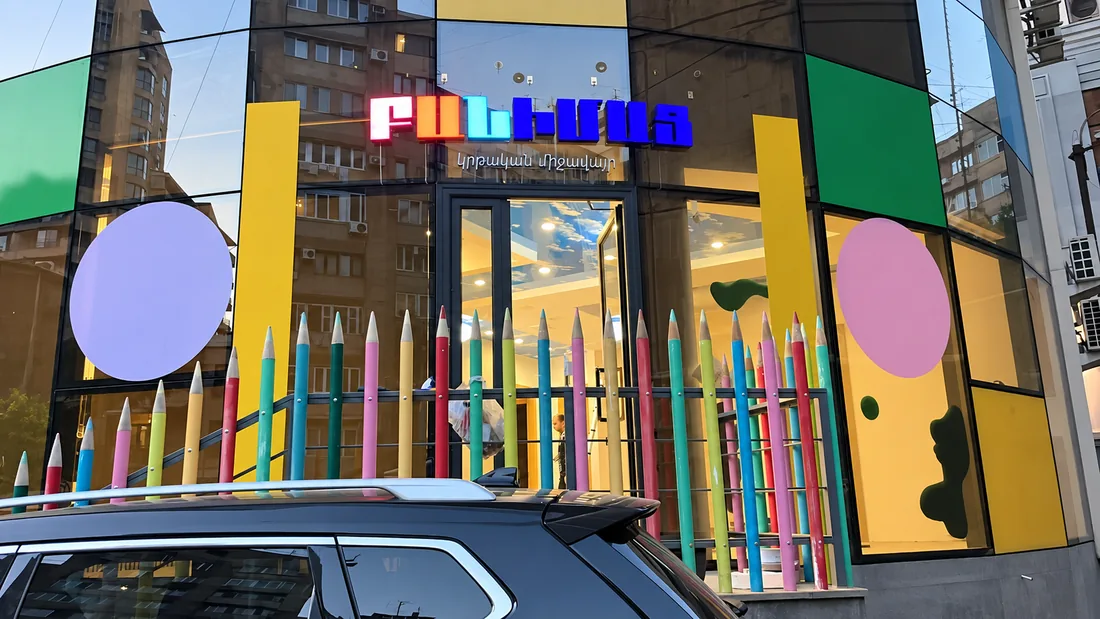 Wallscapes and building wrapsTurn a large building surface into a city-scale visual message.
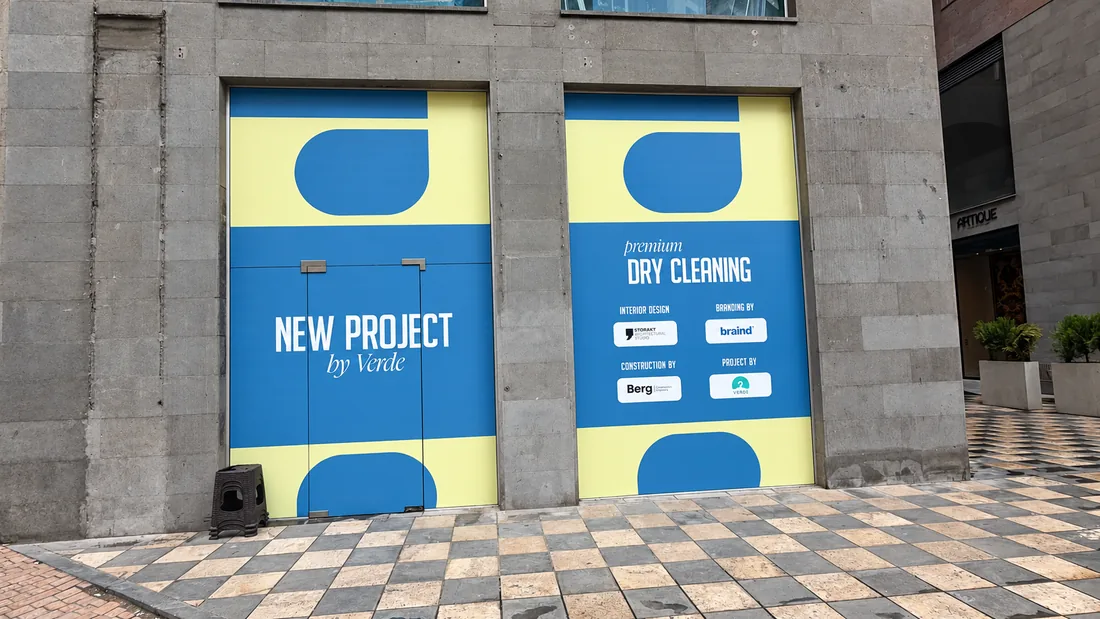 Construction hoardingsTurn a temporary boundary into a clear information and brand surface.
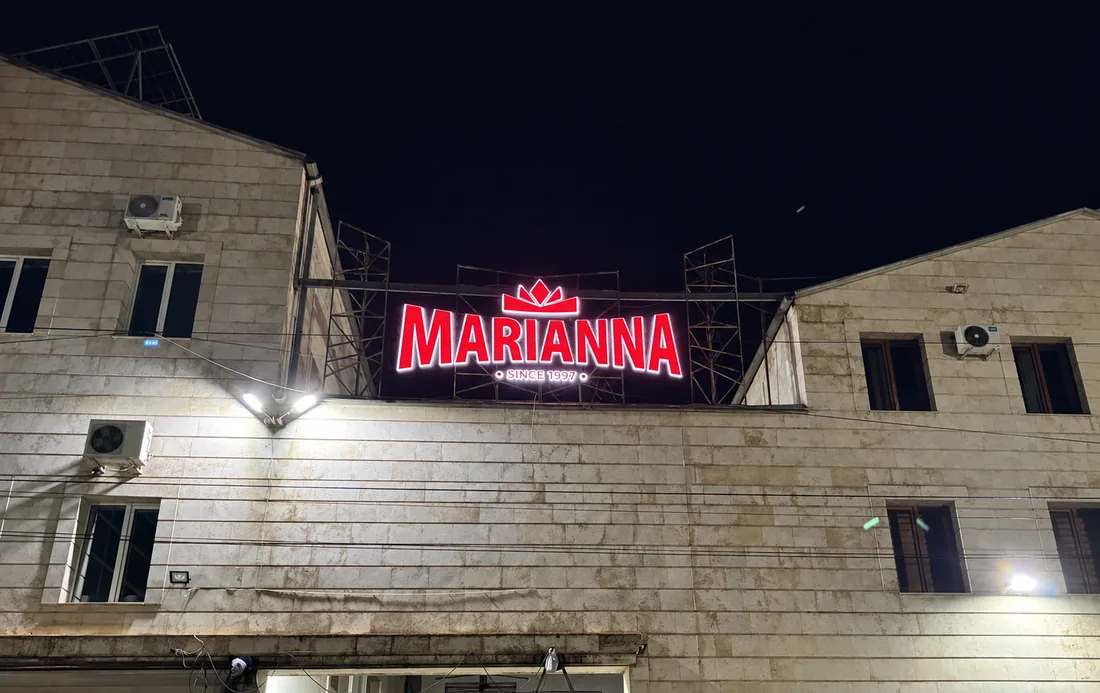 SpectacularsGive a single public message a distinctive large-scale form.
 Digital billboardsRotate short, timely messages on a shared roadside screen.
Let's make your
idea visible
Tell us what you have in mind. We'll talk through where to begin.