

Wallscapes and building wraps
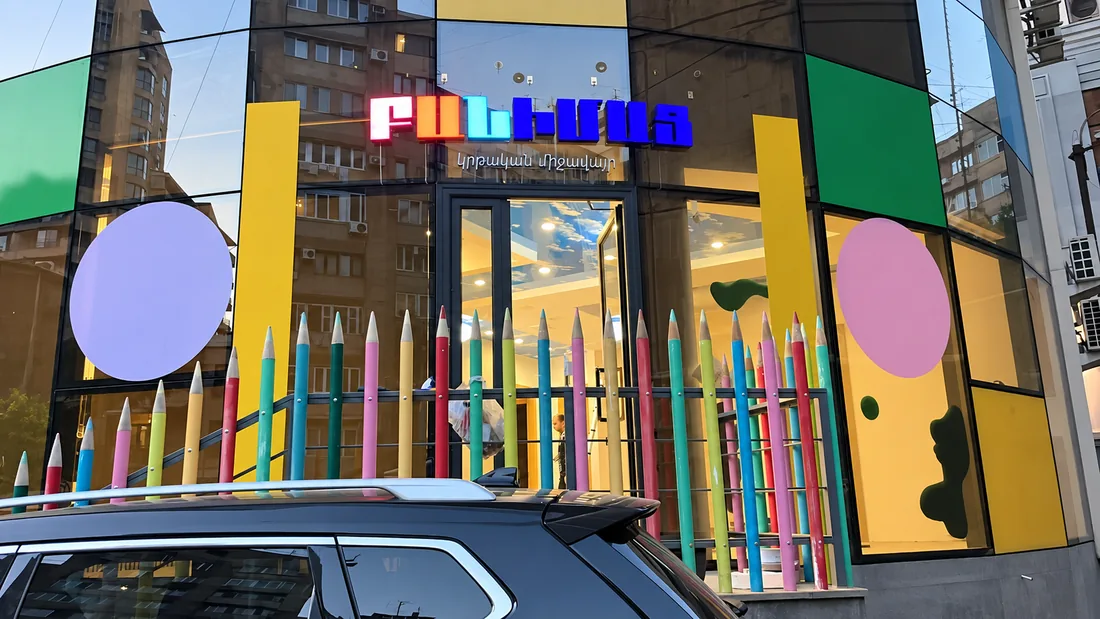
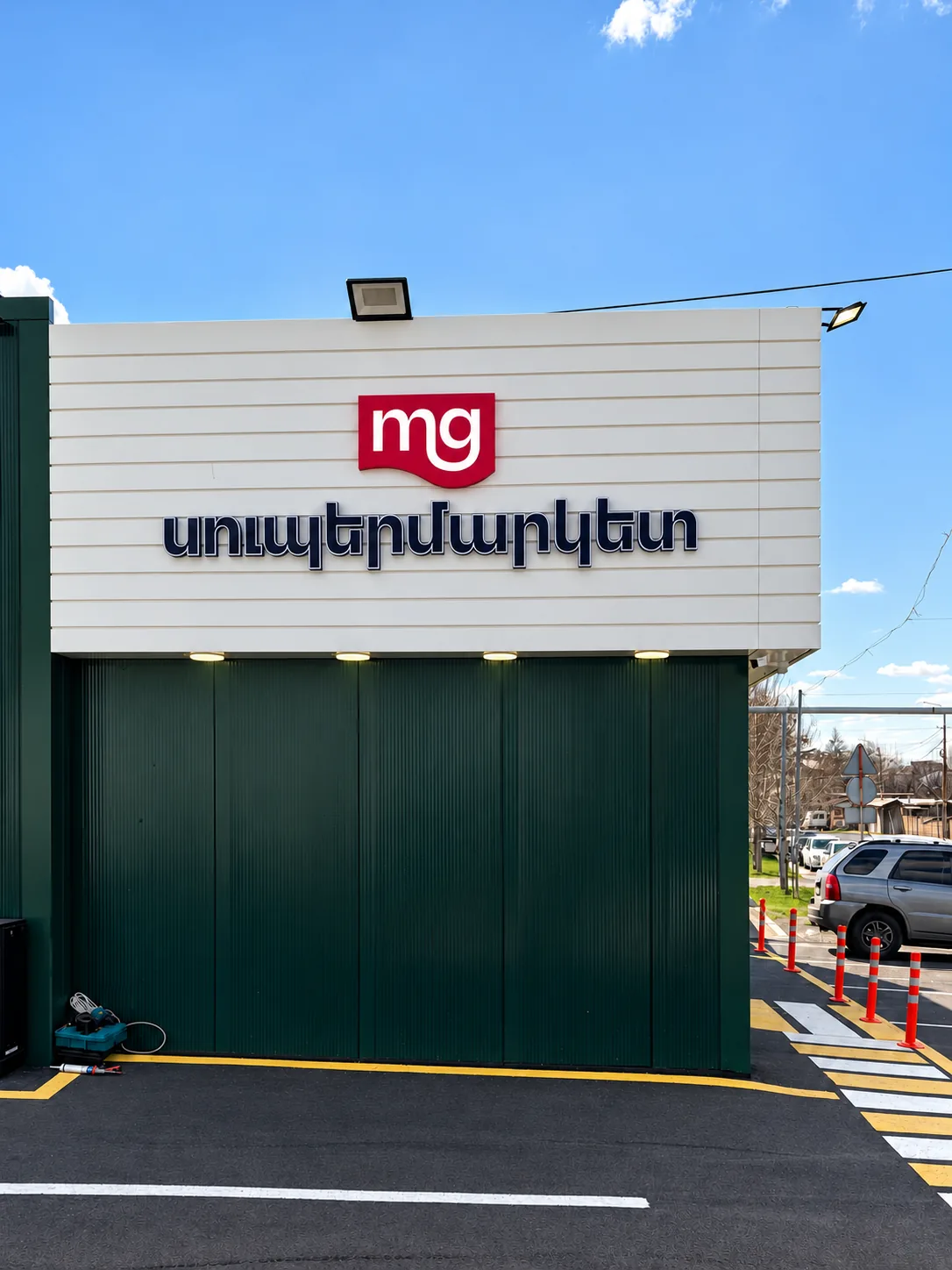
Wallscapes and building wraps: large images on buildings
A wallscape is a large image on a building wall, painted or printed, and a building wrap is a printed mesh or banner that covers part or all of a facade, often during renovation. Both suit projects meant to be seen across a neighbourhood from a few main viewpoints. Call CONTURA on +374 91 120 240 to talk through the wall, the image and what to agree with the owner.
Format options
Painted murals, printed wall graphics and building wraps.
What to discuss
Check wall rights, fixing method, sightlines and building-use constraints.
How do wallscapes and building wraps work?
A wallscape or building wrap works as one picture at the scale of the street, seen from a square, a junction or an approach road. At this scale the architecture becomes part of the design: windows, joints, ledges, pipes and balconies decide where the main message can sit and what will be hidden. Mesh wraps often hang on scaffolding or a frame in front of the facade, while wallscapes sit on the wall itself. People rarely see the whole surface at once, so the composition needs one strong focal point that reads from the main viewpoints and still makes sense when part of it is out of view.
What types of wall and facade graphics are there?
The main types differ in material, how long they stay up and how they are fixed. Painted murals are made on the wall itself and suit long-term images. Printed graphics are produced in large sections and joined on site, either on a frame or directly on a flat surface. Mesh wraps let air and some light through, which helps over windows and scaffolding and reduces the pull of the wind on large areas.
- Painted murals: images painted by hand on the wall, for long-term display
- Printed wall graphics: banners or vinyl on a frame or fixed to a flat wall
- Mesh building wraps: printed perforated mesh over a facade or scaffolding
- Renovation wraps: an image of the finished building shown while work goes on
Which walls work best for a wallscape?
The best walls face a busy street, square or junction and can be seen from far away along a straight approach. A flat wall without windows gives the cleanest image, while a facade with many windows needs mesh and a layout that keeps text off the openings. Check the angle from the main viewpoints, the trees and buildings that block the view, and the street lighting at night. Cost depends mainly on the area, the material, access to the wall at height, the fixing system, lighting and how long the image stays up.
How do I prepare the design and files for a building wall?
Start from an accurate survey of the wall: measured drawings, straight-on photos and photos from the main viewpoints. Mark windows, joints, ledges and fixing points on the layout, and keep faces, the logo and the headline on solid areas away from seams. Large prints are made in sections, so ask the printer where the joins will fall. Design to scale at the resolution the printer asks for, because a wall seen from far away needs less detail per metre than a poster seen up close.
- Measured drawing of the wall with all openings
- Photos straight on and from the main viewpoints
- Windows, joints and fixing points marked on the layout
- Logo and headline on solid areas, away from seams
- A mock-up placed on a street-level photo
| Painted mural | Printed wall graphic | Mesh building wrap | |
|---|---|---|---|
| How it is made | Painted on the wall | Printed and fixed in sections | Printed perforated mesh |
| Typical use | Long-term artwork | Campaigns and long-term images | Campaigns and renovation |
| Windows | Painted around | Kept clear | Can be covered |
| Wind | No extra load | Needs firm fixing | Lets air through |
| Changing the image | Repaint | Replace the print | Replace the mesh |
Confirm the specific format and placement options with CONTURA.
A few useful answers
What is a wallscape?
A wallscape is a large image placed on a building wall for a long period, either painted directly or printed and fixed. It works best on walls that face a busy street or square and can be seen from a distance, ideally straight on.
What is a building wrap?
A building wrap is a large printed mesh or banner that covers part or all of a facade, often during renovation or over scaffolding. It can show the finished building, the project behind the works or an advertising image while the work goes on.
What is the difference between a mural and a printed wallscape?
A mural is painted by hand on the wall itself and usually stays long-term, while a printed wallscape is produced in sections and fixed to the wall or a frame. Printing reproduces a photo or brand image exactly and can be replaced; painting suits artwork and walls where fixings are unwelcome.
Can a building wrap cover the windows?
With perforated mesh, windows can be covered while the image stays visible from outside, and people inside still get some light and view. The building's use, ventilation, fire exits and the comfort of the people inside decide how much can be covered.
Which side of a building works best for a wallscape?
The side that faces the main flow of traffic or people, with a long, clear view and few obstacles, works best. Blank end walls next to junctions and squares are often ideal, because people see them straight on from far away.
How do I prepare artwork for a building wrap?
Start with measured drawings and photos of the facade, then lay out the image over the windows, joints and fixing points. Keep the logo and headline on solid areas, design to scale and check a mock-up on a street-level photo before anything is printed.
What affects the cost of a wallscape or building wrap?
The main factors are the size of the area, the material, the height and access for fixing, the fixing system, lighting, permissions and how long the image stays up. A design that has to fit around many windows or features also takes more preparation.
How do sun and wind affect a building wrap?
Sun fades colours over time, especially on walls in full sun, and wind pulls hard on large surfaces, so the material and fixing are chosen for how exposed the wall is. Mesh lets wind pass through and is often used on tall facades, and regular checks keep the fixings tight.
What permissions does a wallscape need?
Usually the building owner's consent and often the municipality's approval; in apartment buildings the owners or residents may also need to agree. Rules differ by municipality and building, and historic facades often have stricter limits, so check them before production.
How big should the lettering be on a wallscape?
Big enough to read from the farthest main viewpoint, so measure that distance first and test a mock-up on a photo taken from there. Short headlines in a bold typeface read best, and Armenian and Latin text on one wall should share one typeface family and weight.
Can a wallscape be seen at night?
Only if it is lit, by floodlights aimed at the wall or by lighting built into the frame. Without light a wallscape disappears after dark, so check the street lighting and whether lighting the wall is allowed and practical before choosing the image.
What happens after I call CONTURA about a wall or facade image?
CONTURA talks through the building, the main viewpoints and your message, and explains what to prepare: wall measurements, photos from the street and the owner's consent. With those in hand, the image can be planned around the architecture.
Related formats
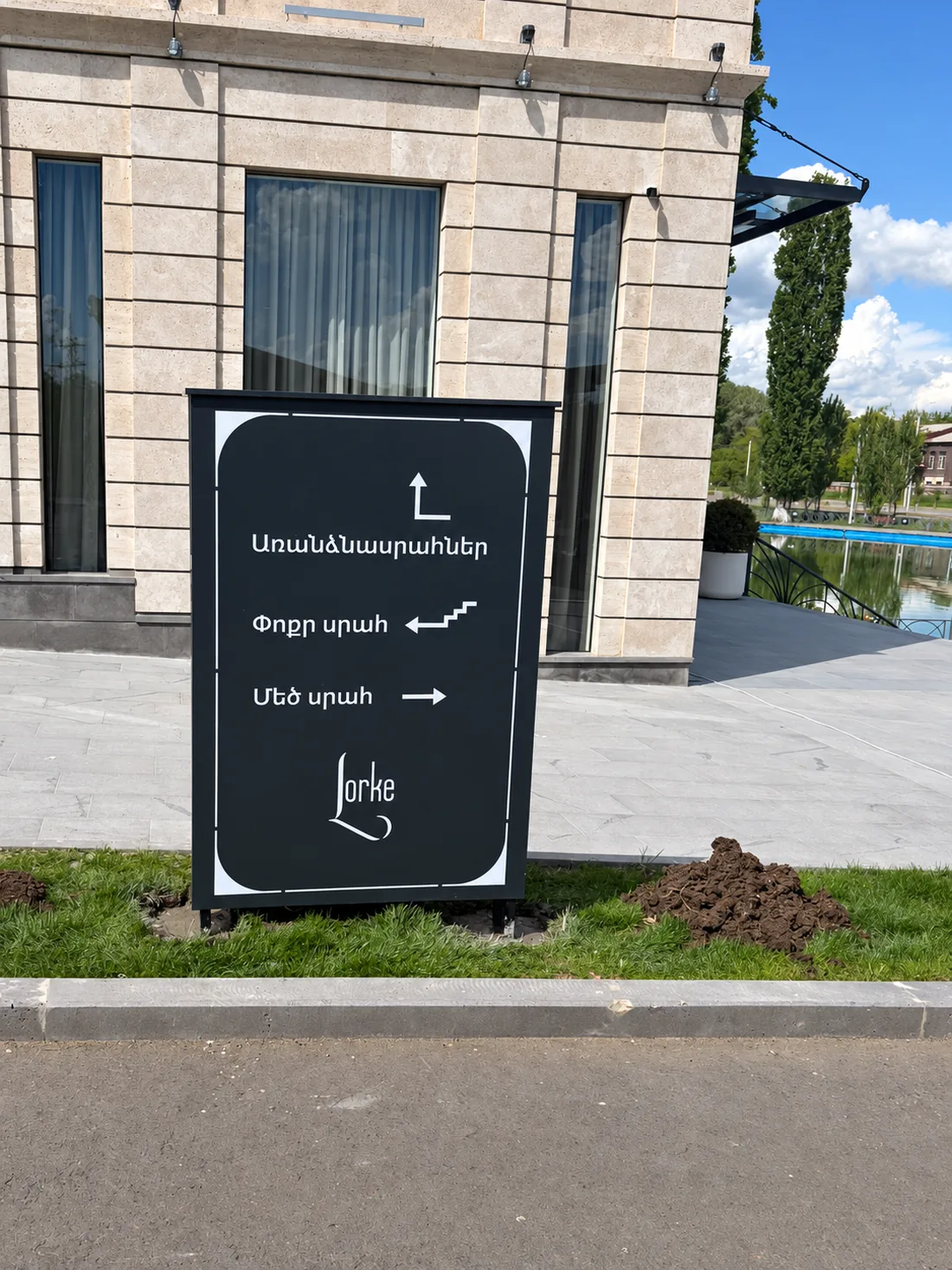 Posters and city panelsDeliver a local message at street and neighbourhood scale.
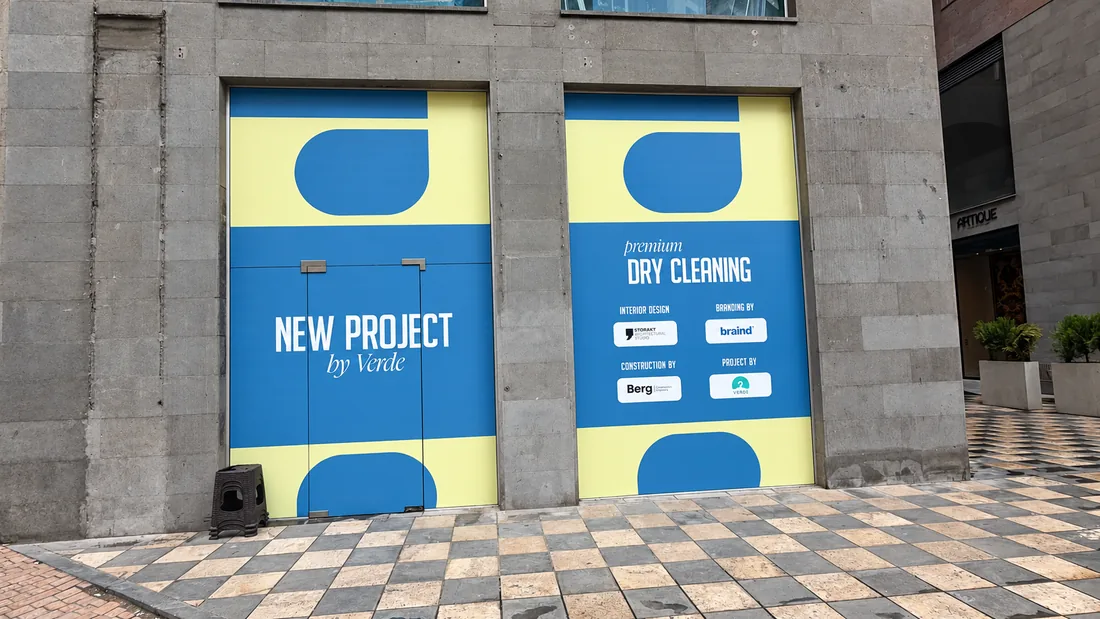 Construction hoardingsTurn a temporary boundary into a clear information and brand surface.
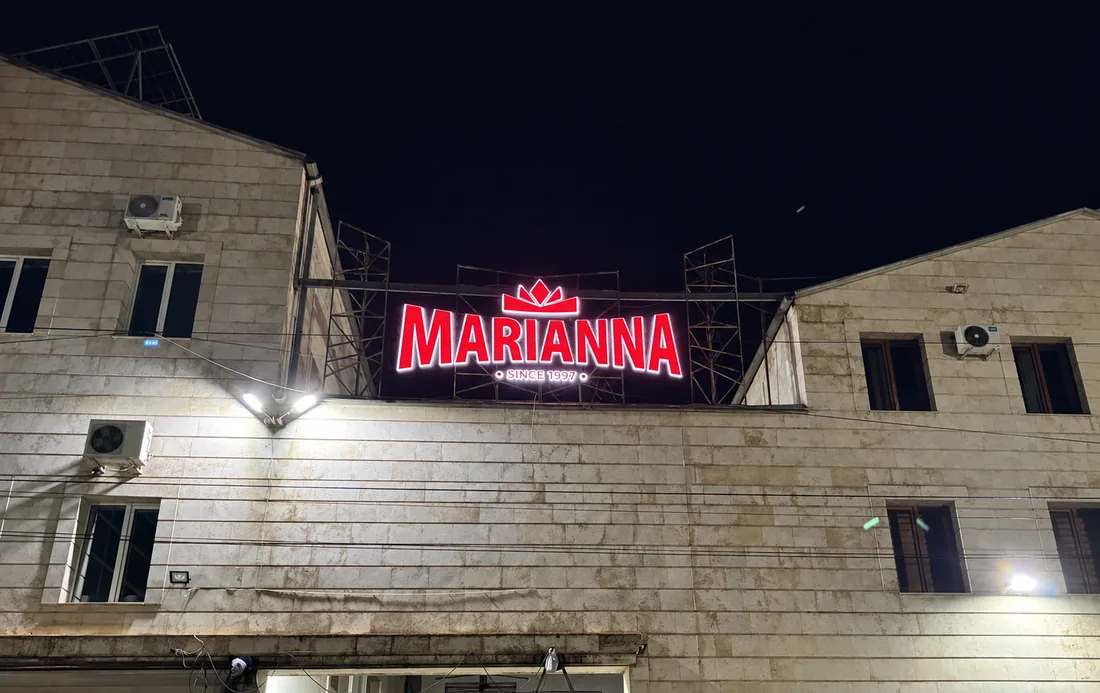 SpectacularsGive a single public message a distinctive large-scale form.
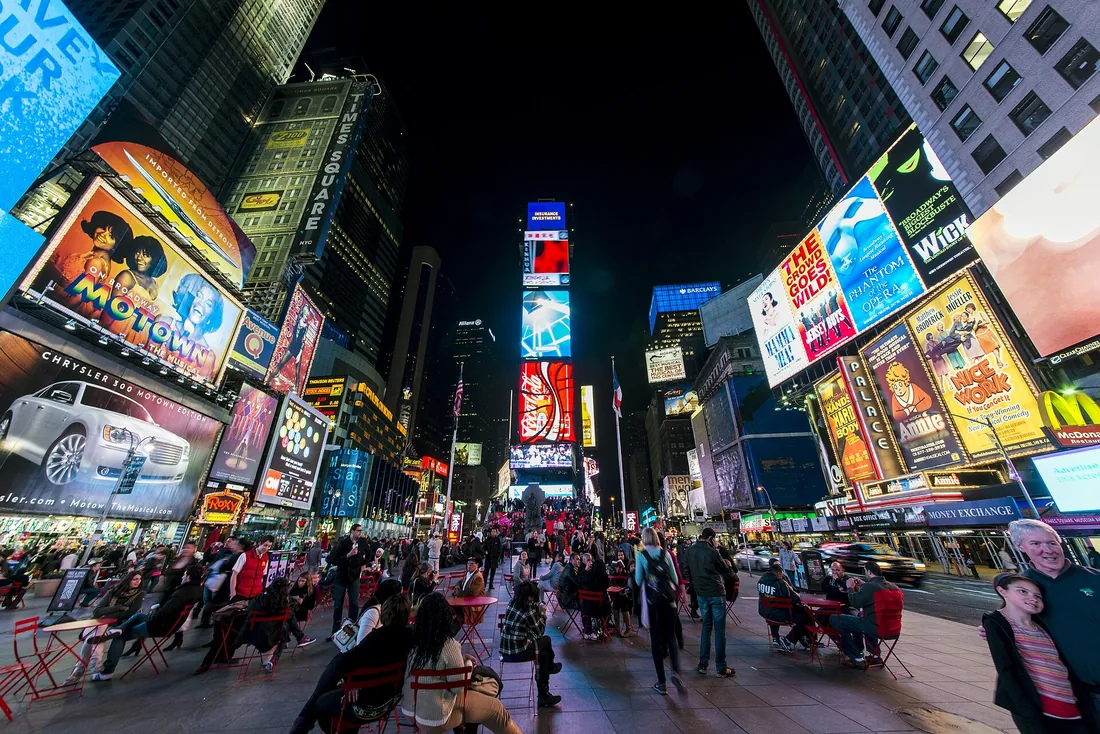 Digital billboardsRotate short, timely messages on a shared roadside screen.
Let's make your
idea visible
Tell us what you have in mind. We'll talk through where to begin.