

Spectaculars
Spectaculars: when a standard panel is not enough
A spectacular is a bespoke large outdoor display built around one idea: a panel that extends beyond its frame, dimensional elements that stand out from the surface, or lighting that changes the picture at night. It suits a launch or a landmark site where a flat panel would not stand out. Call CONTURA on +374 91 120 240 to discuss the idea and what to check first.
Format options
Panel extensions, dimensional additions and bespoke lighting.
What to discuss
Review structure, safety, permissions, maintenance and visibility early.
What makes an outdoor display a spectacular?
An outdoor display becomes a spectacular when its shape, depth or light carries the idea along with the printed image. Each one is designed for one site and one idea, so the structure, the viewpoint and the message are planned together from the first sketch. The effect has to serve the idea, because complexity alone does not make people remember a brand. A clear shape that reads from the street does more than many small effects that only work up close, and a well-made spectacular can become a landmark people use when giving directions.
What types of spectaculars are there?
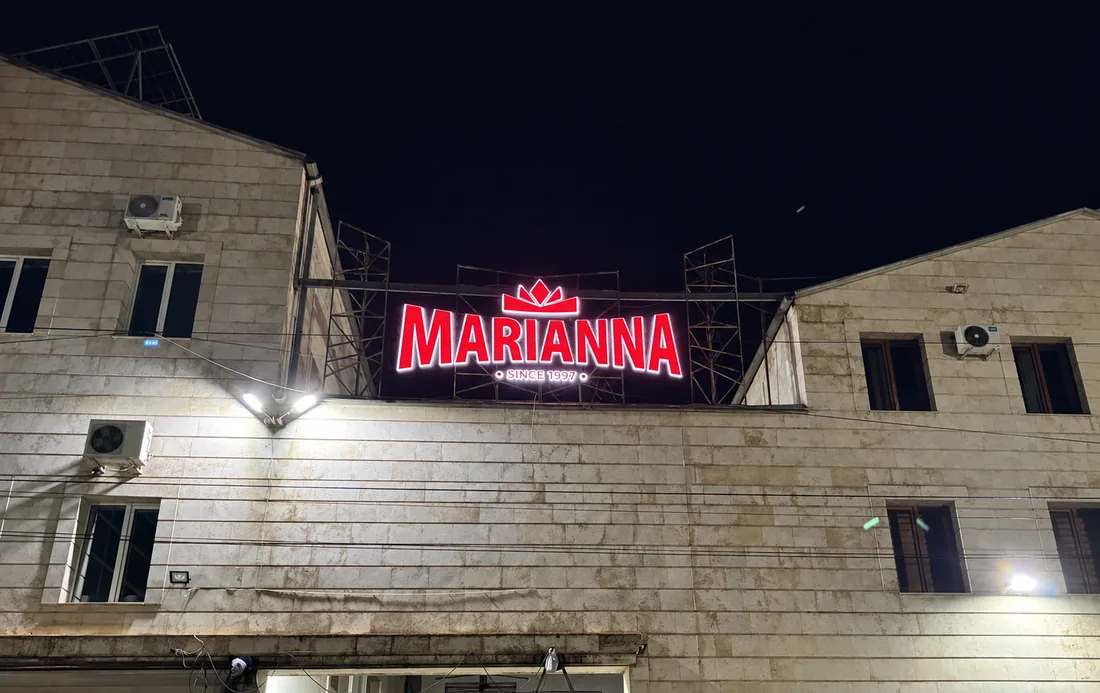
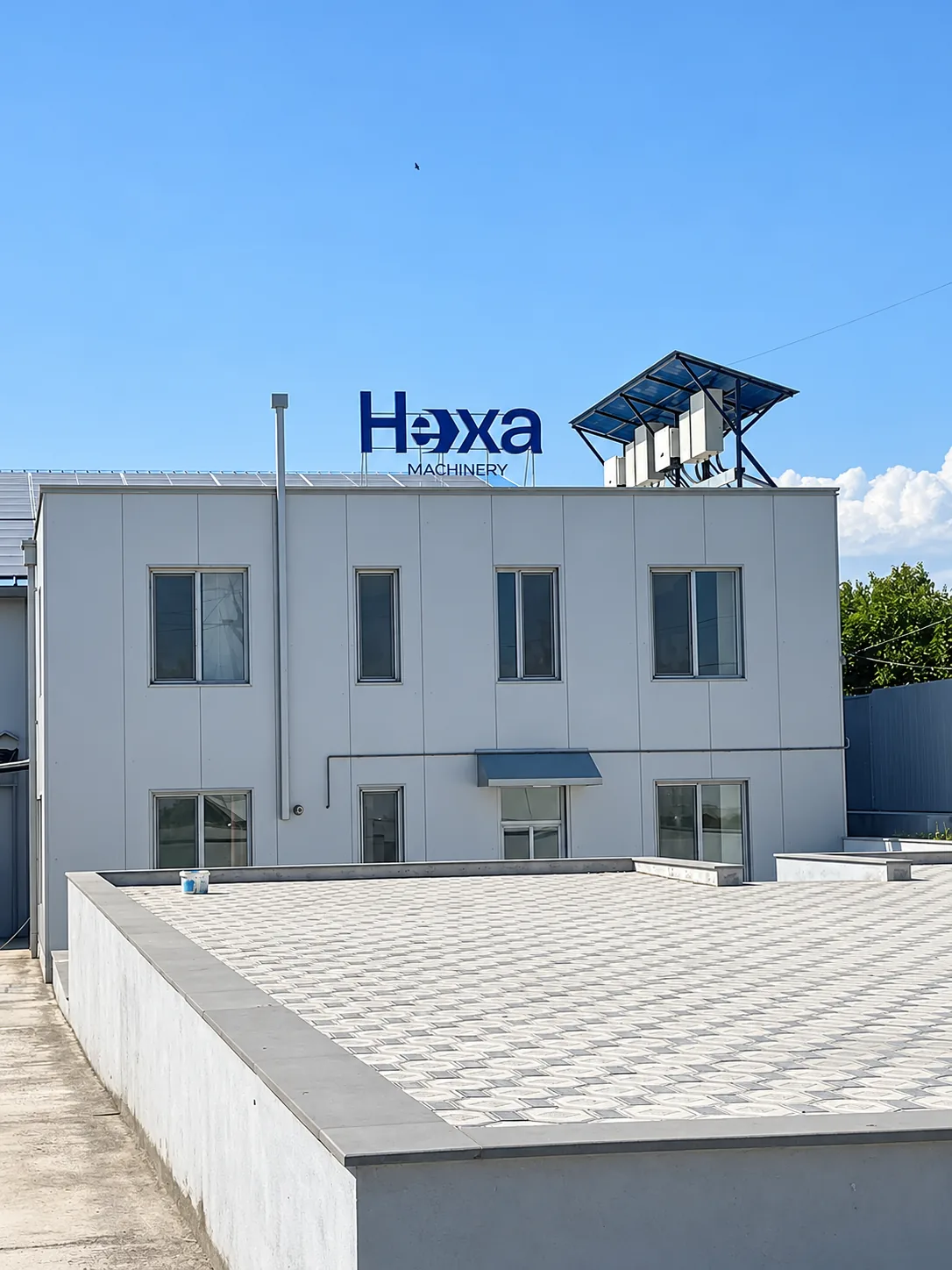
Spectaculars combine a standard display with one or more special elements, and the choice depends on the idea, the structure and what the site allows. Extensions and cut-outs break the rectangle of the frame, dimensional additions give depth by day, and lighting carries the idea at night. Large illuminated letters on a roof work on the same principle: a name that is visible across a district. Moving parts are possible, but they need more maintenance and are often restricted.
- Panel extensions: cut-out shapes that break past the edge of the frame
- Dimensional additions: objects, figures or letters fixed to the face
- Special lighting: LED contours, backlit cut-outs or light that changes the picture at night
- Rooftop letters: large illuminated letters or logos on a roof
- Moving parts: kinetic elements, only where rules and maintenance allow
Where does a spectacular work best?
A spectacular works best where many people see it along a long, clear approach: major junctions, squares, rooftops and corners visible from several directions. The idea needs a moment to register, so traffic speed and viewing distance matter as much as size. Before choosing one, weigh the impact against the extra work, because a bespoke structure needs engineering, power, permission and maintenance. Cost depends on the size, the materials, the number of dimensional and lit elements, structural work, access and how long the display stays.
How do I prepare the design for a spectacular?
Start with a sketch on a photo of the real site, taken from where people will actually look, by day and at night. Then decide which parts are flat print and which are dimensional or lit, and give each its own drawing with sizes. Check the depth, weight and wind load of the extra elements with the structure's owner and an engineer before details are fixed. Keep the logo and the main shape simple, because fine detail disappears at a distance.
- Site photos from the main viewpoints, by day and at night
- Vector artwork for cut shapes, letters and logos
- Separate drawings for flat, dimensional and lit parts, with sizes
- Power supply and maintenance access marked on the plan
- A mock-up checked from street level before production
| Standard panel | Spectacular | |
|---|---|---|
| Shape | Flat rectangle | Breaks the frame or adds depth |
| Design files | One print file | Print file plus drawings of dimensional and lit parts |
| Lighting | Even or none | Part of the idea |
| Checks before production | Print specification | Structure, wind load, power and permissions |
| Changing it | Replace the print | Often rebuilt or removed |
Confirm the specific format and placement options with CONTURA.
A few useful answers
How is a spectacular different from a standard panel?
A spectacular goes beyond a flat panel with extensions, three-dimensional elements, moving parts or special lighting, all designed for one location and one idea. A standard panel only changes its print, while a spectacular changes the shape and light of the display itself.
Can rooftop letters work as a spectacular?
Large illuminated letters on a roof work the same way: a name visible across a district, especially at night. CONTURA's portfolio includes illuminated signs and dimensional letters, which are the natural starting point for a rooftop name.
What should be checked first for a spectacular?
Check the structure and its load, wind exposure, safety, permissions from the owner and the municipality, power, access for maintenance and how the display is seen from the main viewpoints. Settling these early keeps the idea buildable and visible.
Can elements be added to an existing advertising structure?
Sometimes, if the structure can carry the extra weight and wind load and its owner agrees. Extensions and add-ons are agreed with the panel owner and checked by an engineer before the design is finished.
When is a spectacular worth it compared with a standard panel?
It is worth it when the location is prominent and the idea depends on shape, depth or light, such as a product shown at full size or a launch that should get people talking. If the message works as a flat image, a standard format is simpler to produce and change.
What files are needed to design a spectacular?
The usual set is vector artwork for logos and cut shapes, high-resolution images for printed parts and drawings with sizes for every dimensional or lit element. Photos of the site from the main viewpoints let the design be checked the way people will actually see it.
What affects the cost of a spectacular?
Size, materials, the number of dimensional and lit elements, structural and engineering work, power, access for installation and maintenance, permissions and how long the display stays all affect the cost. One strong element is often simpler to build and maintain than many small effects.
How is a spectacular maintained?
Plan maintenance from the start: lighting needs checks and spare parts, moving parts need servicing, and fixings need inspection after storms. Safe access to every lit or moving element should be part of the design from the first sketch.
Do spectaculars need special permission?
They usually do, because extensions, depth and lighting go beyond a standard permitted panel. Rules differ by municipality and often cover size, how far the display projects, brightness and moving parts, so check them before any production starts.
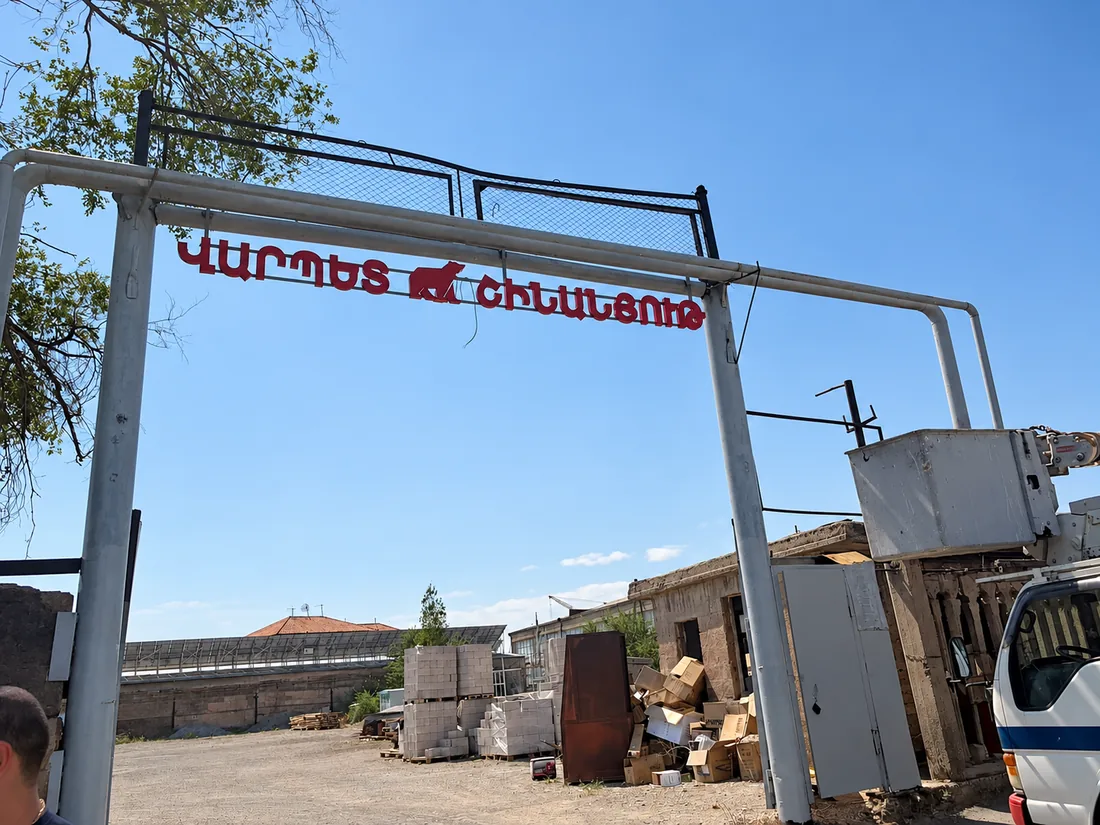
Can a spectacular use dimensional or illuminated Armenian lettering?
Armenian letters can be made dimensional or illuminated like Latin ones, and CONTURA's work includes Armenian, Latin and mixed lettering. Their fine hooks and narrow gaps need enough size and depth to read at a distance, so test the letter shapes with the light source early.
How does a spectacular look at night compared with the day?
Lighting can change the picture after dark, so plan two views: the daytime image in natural light and the night effect with the lit parts. Unlit parts fade at night and lit parts can look flat by day, so check both versions on photos of the site.
What happens after I call CONTURA about a spectacular?
CONTURA talks through the idea, the site and the viewpoints, then explains what needs checking first: the structure, permissions, power and maintenance. Having site photos and a rough sketch ready makes the conversation more concrete.
Related formats
 Posters and city panelsDeliver a local message at street and neighbourhood scale.
 Wallscapes and building wrapsTurn a large building surface into a city-scale visual message.
 Construction hoardingsTurn a temporary boundary into a clear information and brand surface.
 Digital billboardsRotate short, timely messages on a shared roadside screen.
Let's make your
idea visible
Tell us what you have in mind. We'll talk through where to begin.