

Non-standard formats
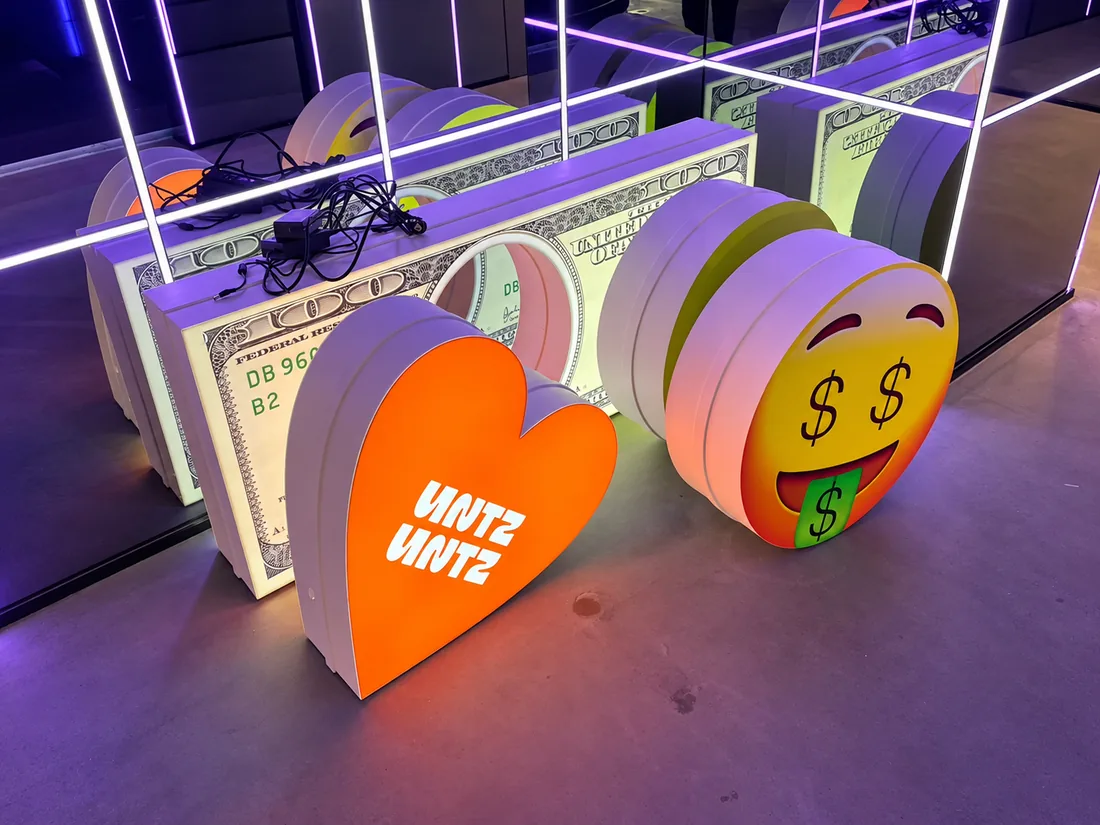
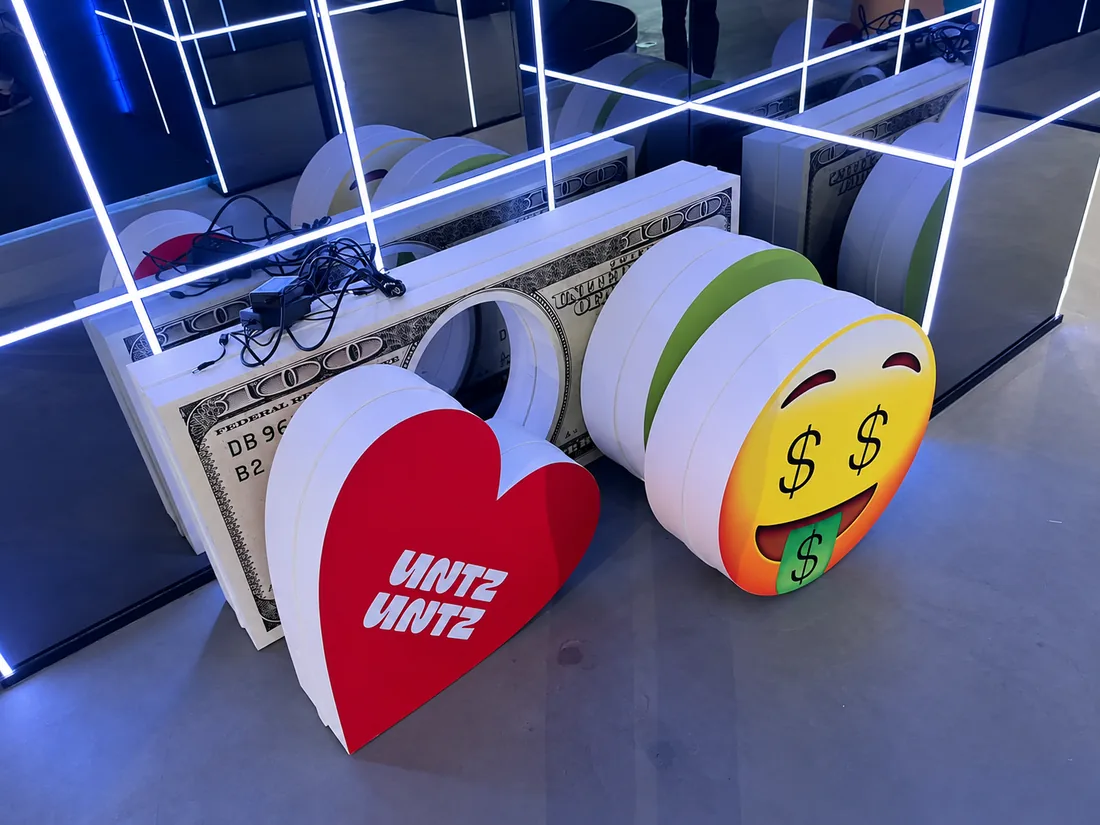
Volumetric figures, oversized letters and neon made for one idea
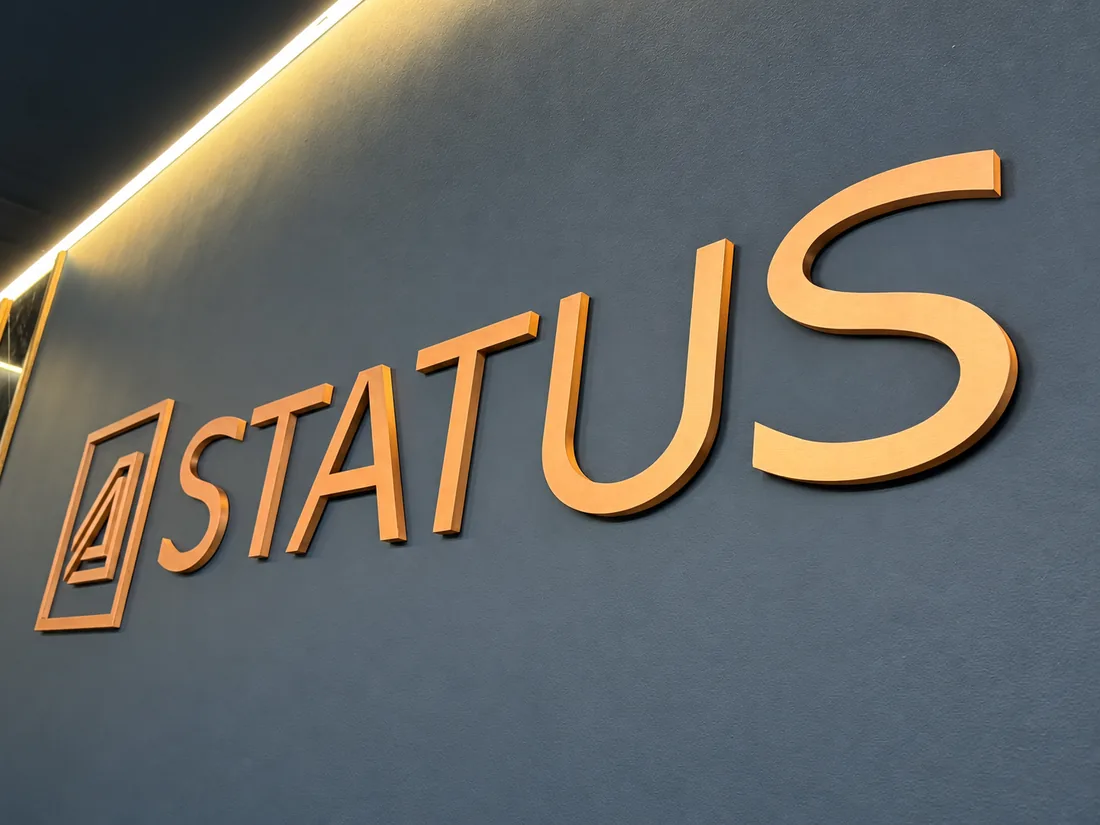
Non-standard formats are one-off constructions made for a single idea and place: volumetric figures and logos, oversized letters, neon installations and branded event walls. They suit launches, events, entrances and photo zones where a standard sign or panel would not carry the idea. Call CONTURA on +374 91 120 240 to talk through the idea, the place and what to prepare.
Format options
Volumetric figures and logos, oversized letters, neon installations and branded event walls.
What to discuss
Agree on the dimensions, materials, display period, power for the lighting and the site owner's permission.
What counts as a non-standard advertising format?
A non-standard format is a construction made for one idea and one place instead of a standard sign or panel: a volumetric figure or logo, oversized letters, a neon or light installation, or a branded wall for an event. It works best where people stop and look around, such as entrances, shopping-centre atriums, office lobbies, events and photo zones. There the piece has time to be noticed and photographed, and the photos carry the brand further. Because it is a one-off, its shape, size, materials and lighting are worked out together for the location.
What materials are used for volumetric figures, letters and neon?
Volumetric figures and logos are often carved from rigid foam and given a hard protective coating, or built from composite panels, acrylic, plywood or metal. Oversized letters use the same materials and can be lit from inside with LED modules. Neon installations are now usually made with flexible LED neon, which looks like glass neon but is lighter and less fragile, while classic glass neon is chosen for its particular glow. Event walls are printed panels or stretched fabric on a frame, often modular so they can be reused.
How do you prepare the design for a one-off construction?
Start with the idea and the place: a sketch or reference of the shape, the vector logo or text, and photos of the spot with approximate dimensions. The design has to work from every side people will see, so plan the front, the sides and how it looks from a distance and up close. For neon, the line thickness and the spacing of letters decide whether a phrase stays readable, so very fine fonts are often simplified. Mark where power is available, and check whether the piece must pass through doors or a lift to reach its spot.
- A sketch or reference of the shape
- The vector logo or the exact text
- Photos and dimensions of the spot
- Where power is available
- The display period and the site owner's rules
What affects the cost of a non-standard construction?
Size and complexity matter most, because a figure with a detailed shape needs more modelling and finishing than a flat logo. Materials, surface finish and lighting add to the cost, and outdoor pieces need sturdier materials and fixing than indoor ones. Transport, assembly on site and dismantling are part of the budget, and so is the display period, since a piece for one event can be lighter than one that stays up longer. Choose a non-standard format when the idea needs a physical presence that a printed panel cannot give.
| Typical materials | Lighting | Best place | |
|---|---|---|---|
| Volumetric figure or logo | Coated foam, composite, acrylic | Spotlights or LEDs inside | Entrances, atriums |
| Oversized letters | Foam, plywood, metal, acrylic | Unlit or LED-lit | Photo zones, outdoor events |
| Neon installation | Flexible LED neon or glass neon | Built in | Interiors, shop windows, events |
| Branded event wall | Printed panels, fabric on a frame | Front lighting if needed | Press areas, stages, lobbies |
Confirm the specific format and placement options with CONTURA.
A few useful answers
What are non-standard advertising formats?
They are constructions made for one specific idea rather than a standard panel: volumetric figures and logos, oversized letters, neon and light installations, and branded walls for events. Each one is designed for its location, so its size, materials and lighting follow the place where it will stand.
Where are non-standard advertising constructions used?
They are used at entrances, in shopping-centre atriums and office lobbies, at events and in photo zones, wherever people stop and look around. Outdoor spots are possible too, if the piece is built for wind and weather and the site owner and municipal rules allow it.
Can neon lettering be made with our own text or logo?
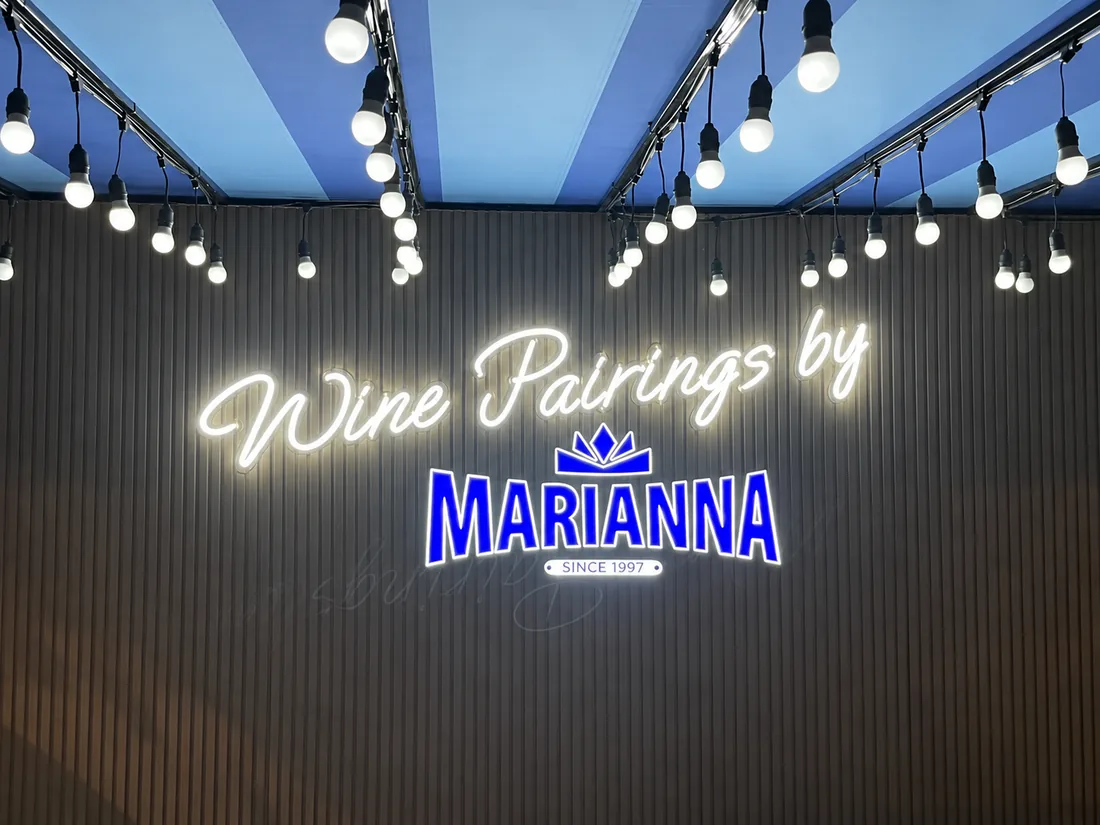
Neon-style lettering can follow your logo, a phrase or a name in Armenian, Latin or Cyrillic letters. Very thin or complex letterforms are often simplified so that the glowing line stays readable, and the size, colour and mounting place are agreed for each piece.
What should be planned first for a one-off construction?
Start with the idea and the place: where the piece will stand, how big it can be, whether it needs power and how long it will be on display. These answers decide the materials, the lighting and whether the site owner needs to approve it.
What is the difference between LED neon and glass neon?
LED neon is a flexible strip with LEDs inside a silicone or plastic sleeve, so it is lighter, harder to break and runs on low voltage. Glass neon is a gas-filled tube bent by hand, with a soft, even glow that some people prefer. LED neon is often chosen for practical reasons.
Which non-standard format works best for a photo zone?
Oversized letters, a volumetric logo or a neon phrase on a branded wall usually work best, because people can stand next to them and the brand stays in the frame. Plan the background, the lighting and the space in front so that photos taken on a phone look good.
How should I prepare a design for a volumetric figure or logo?
Send a vector logo or a clear sketch, reference images of the shape and photos of the place with approximate dimensions. Think about how the piece looks from the sides and from behind, because people walk around it, and decide early whether it needs lighting.
What affects the cost of a volumetric figure or neon installation?
The cost depends on the size, the complexity of the shape, the materials and finish, the lighting, and whether the piece stands indoors or outdoors. Transport, assembly on site, the display period and the site owner's terms add to it.
How durable are volumetric figures and oversized letters outdoors?
Durability outdoors depends on the material and the coating. Foam figures need a hard protective coating against sun and rain, metal and composite pieces cope better with weather, and every piece needs a stable base or fixing against wind. Indoor pieces mainly need a finish that survives touching and cleaning.
Do I need permission for a large construction at an entrance or event?
You need the approval of the site owner or the venue, and outdoor pieces on a street or square often need municipal permission, since rules differ by municipality. Check them, along with fire and safety rules for materials and power, before production starts.
Can a non-standard construction be seen at night?
It can if it is lit. Neon and LED-lit letters glow on their own, while unlit figures need spotlights or a well-lit spot to stay visible after dark. In daylight, colour, contrast and the shape itself do the work, so check the piece against its real background at both times.
What happens after I call CONTURA about a non-standard construction?
CONTURA asks about the idea, the place, the size you have in mind and how long the piece will stand, then explains what to check with the site owner and what to prepare. A sketch and a photo of the spot make the conversation concrete.
Let's make your
idea visible
Tell us what you have in mind. We'll talk through where to begin.