

Dimensional letters
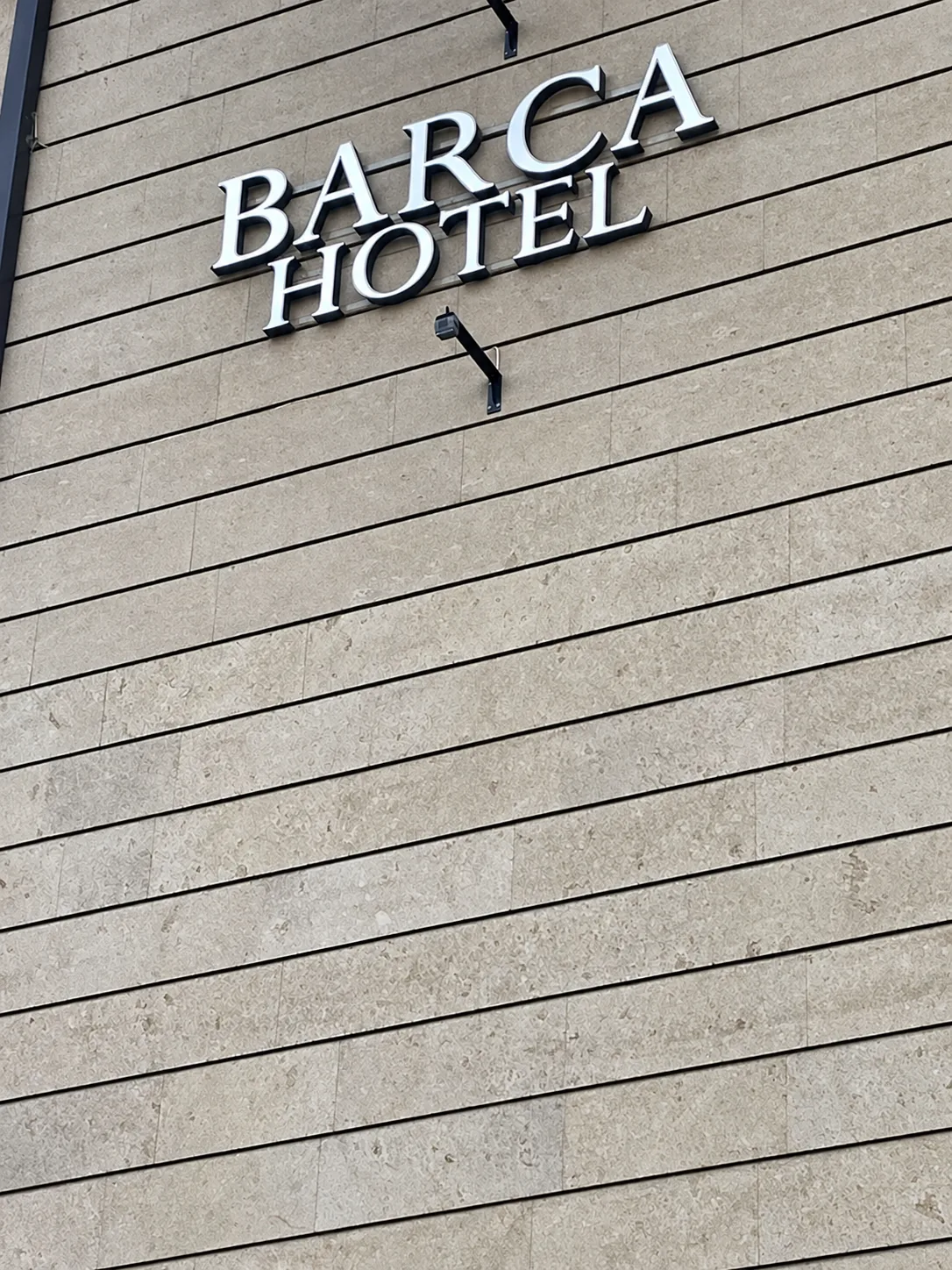
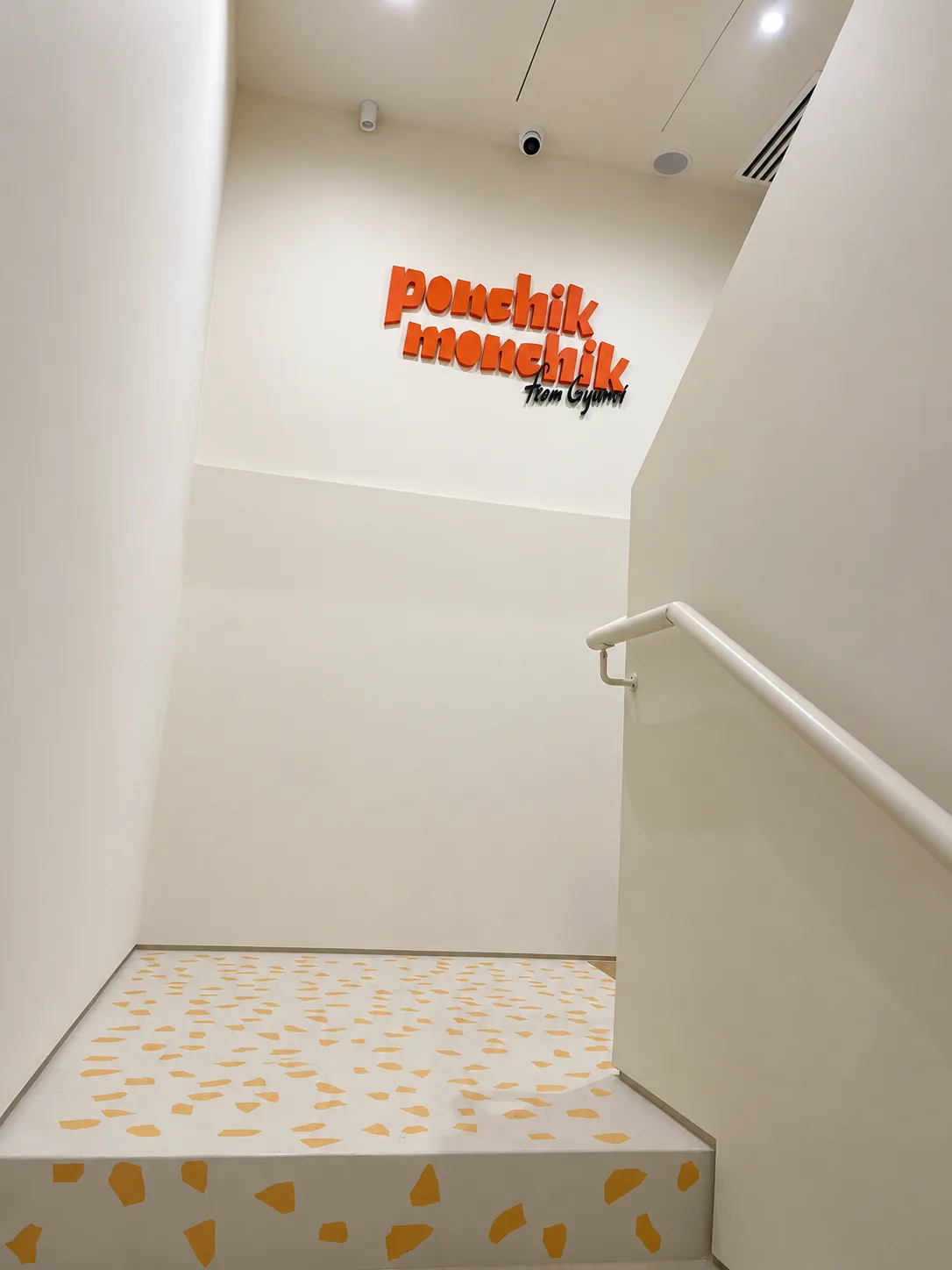
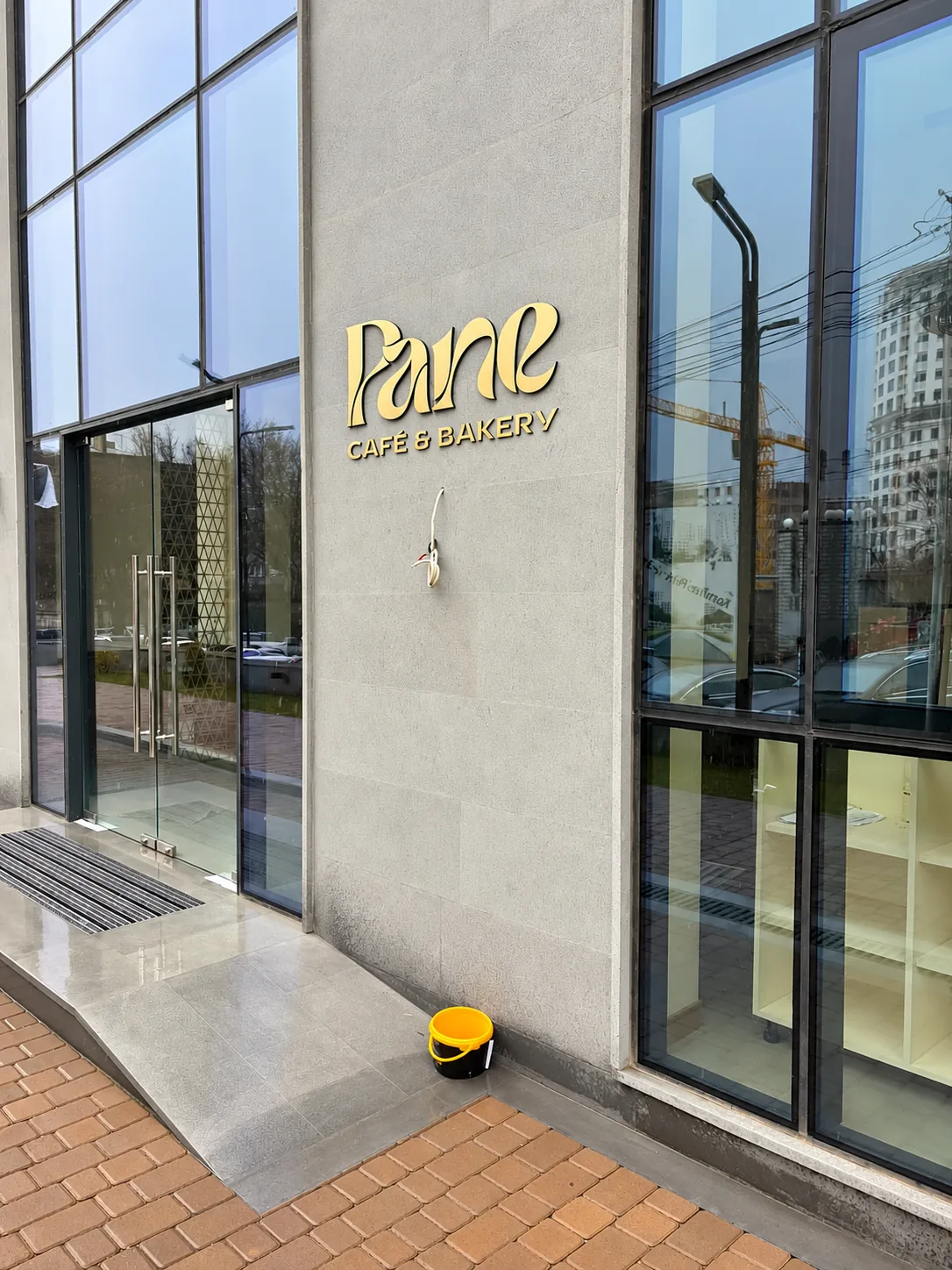
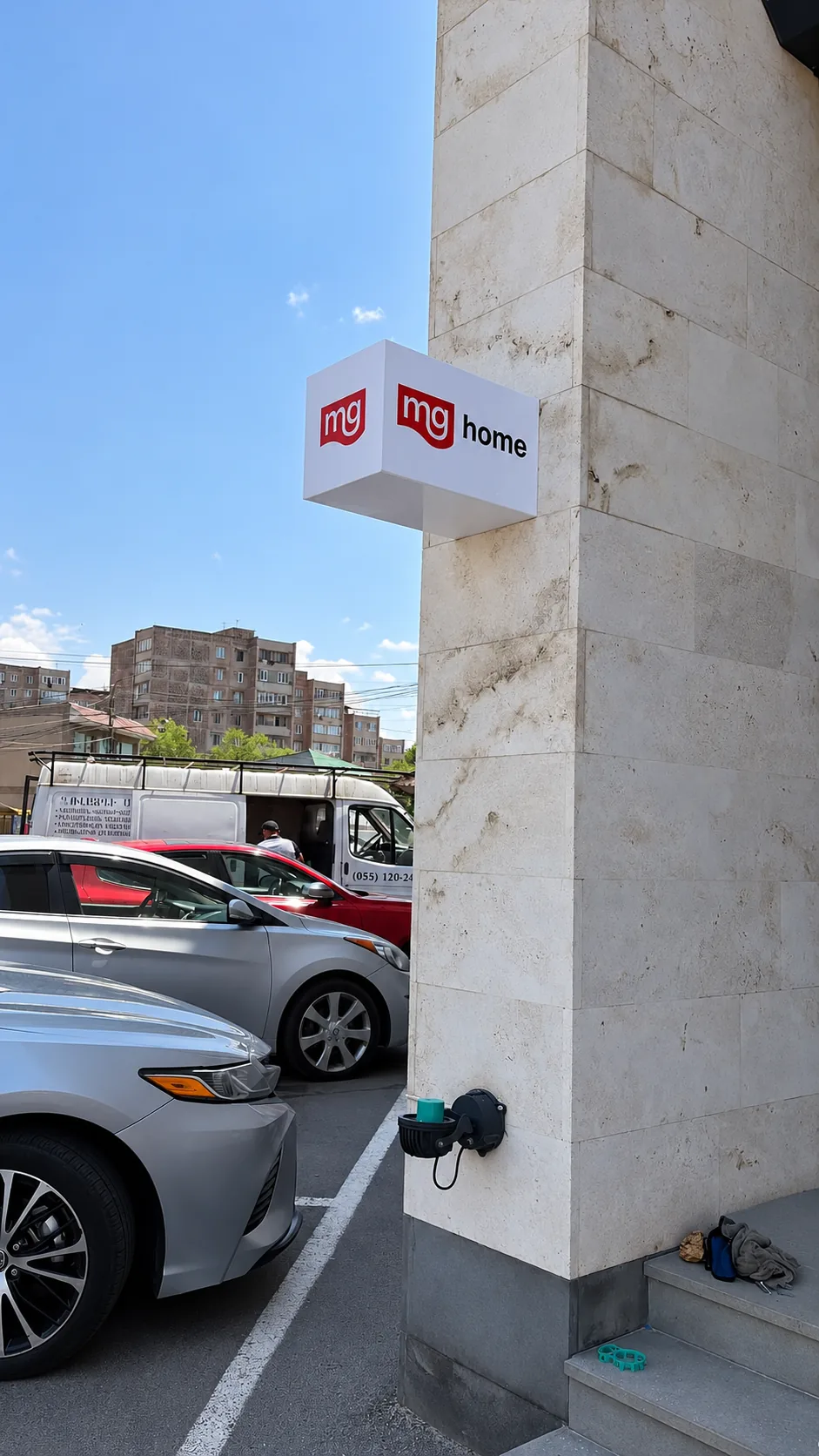
What dimensional letters are and how to choose them
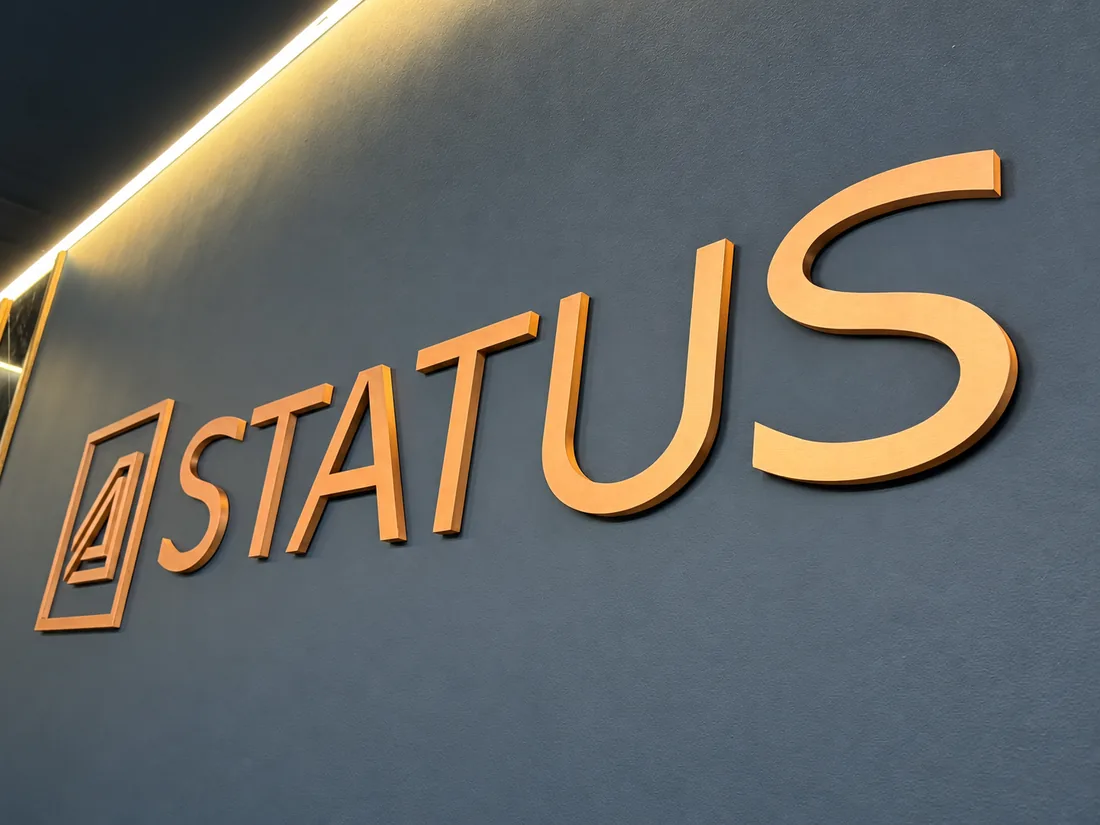
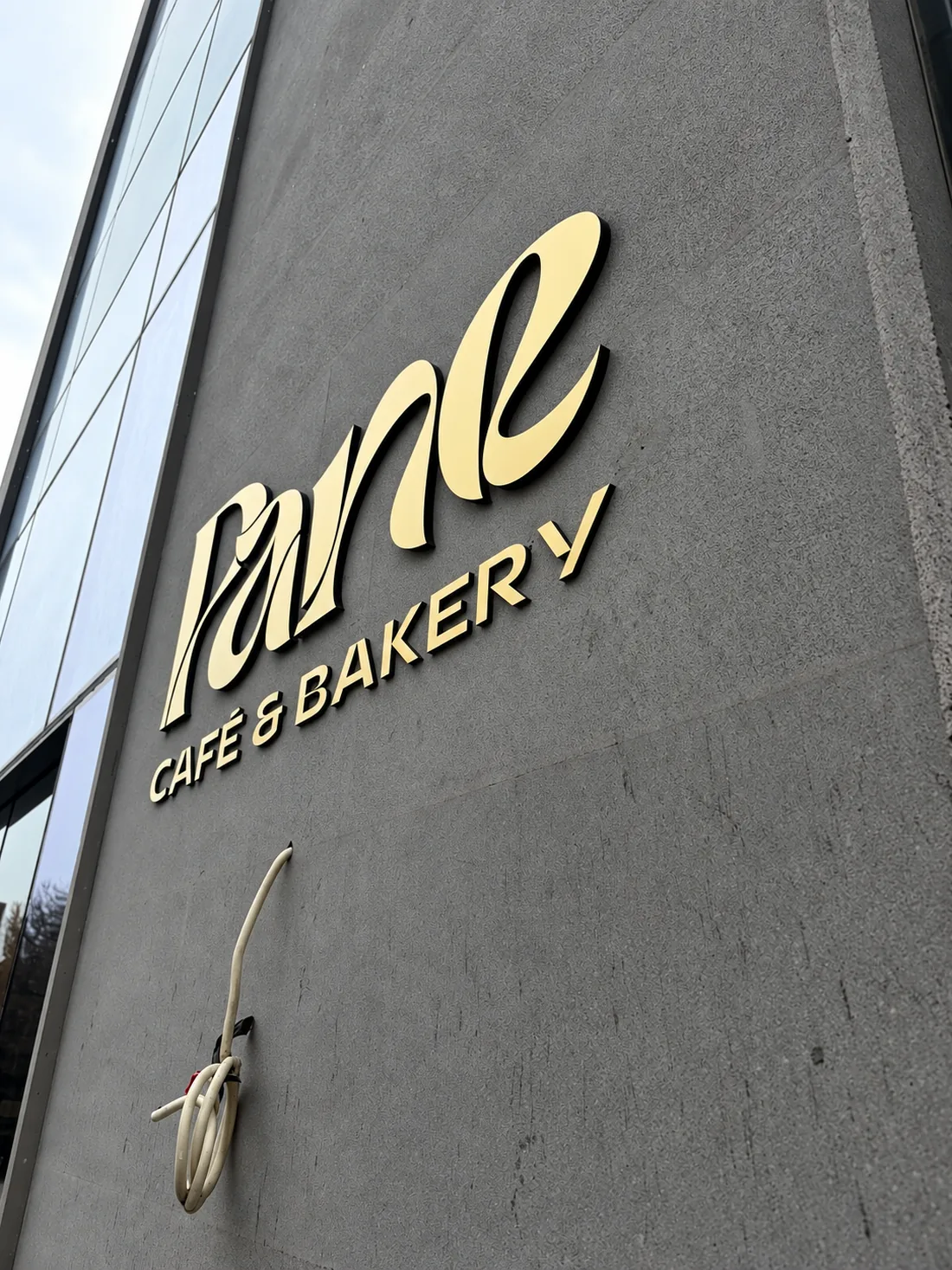
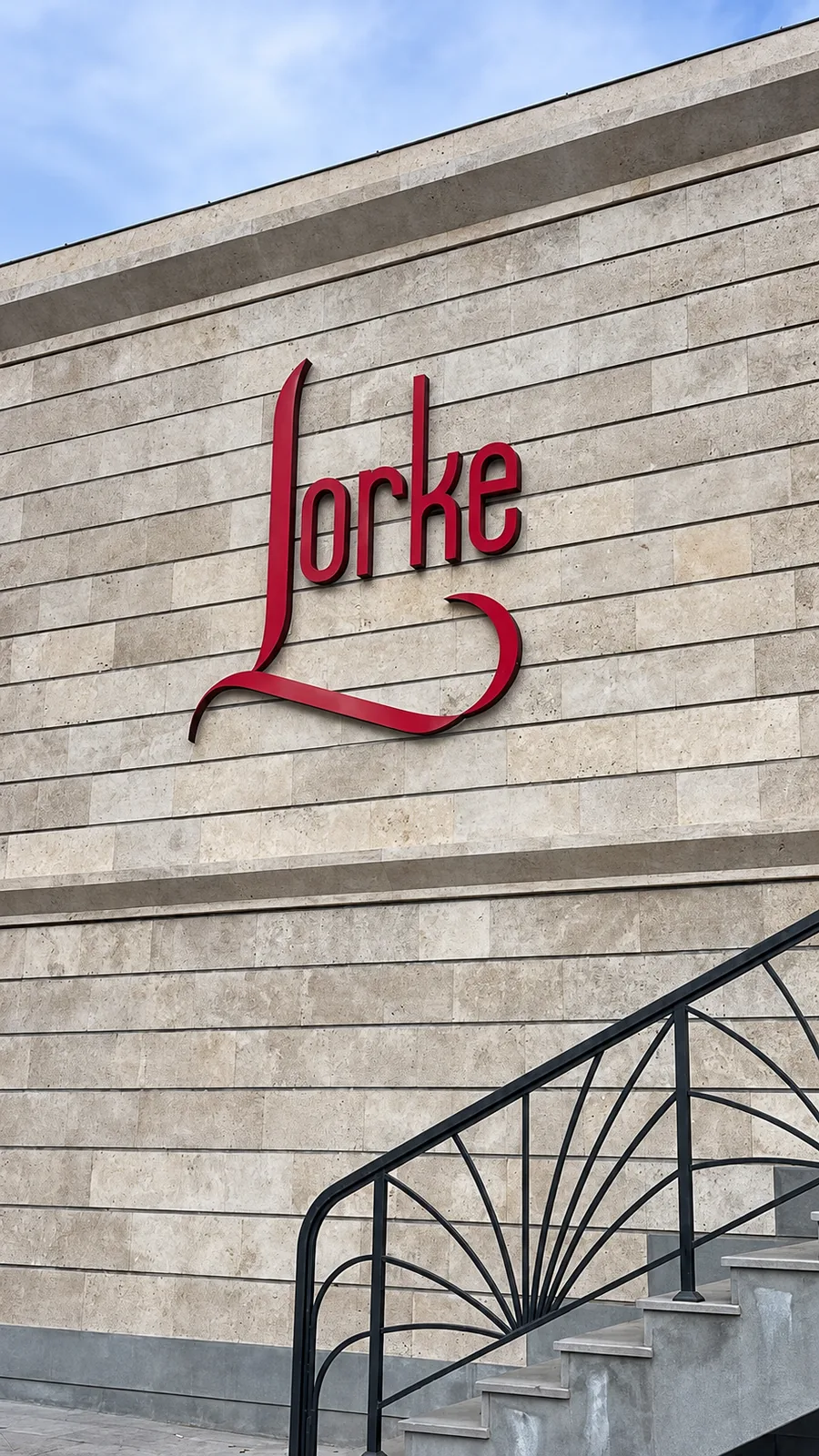
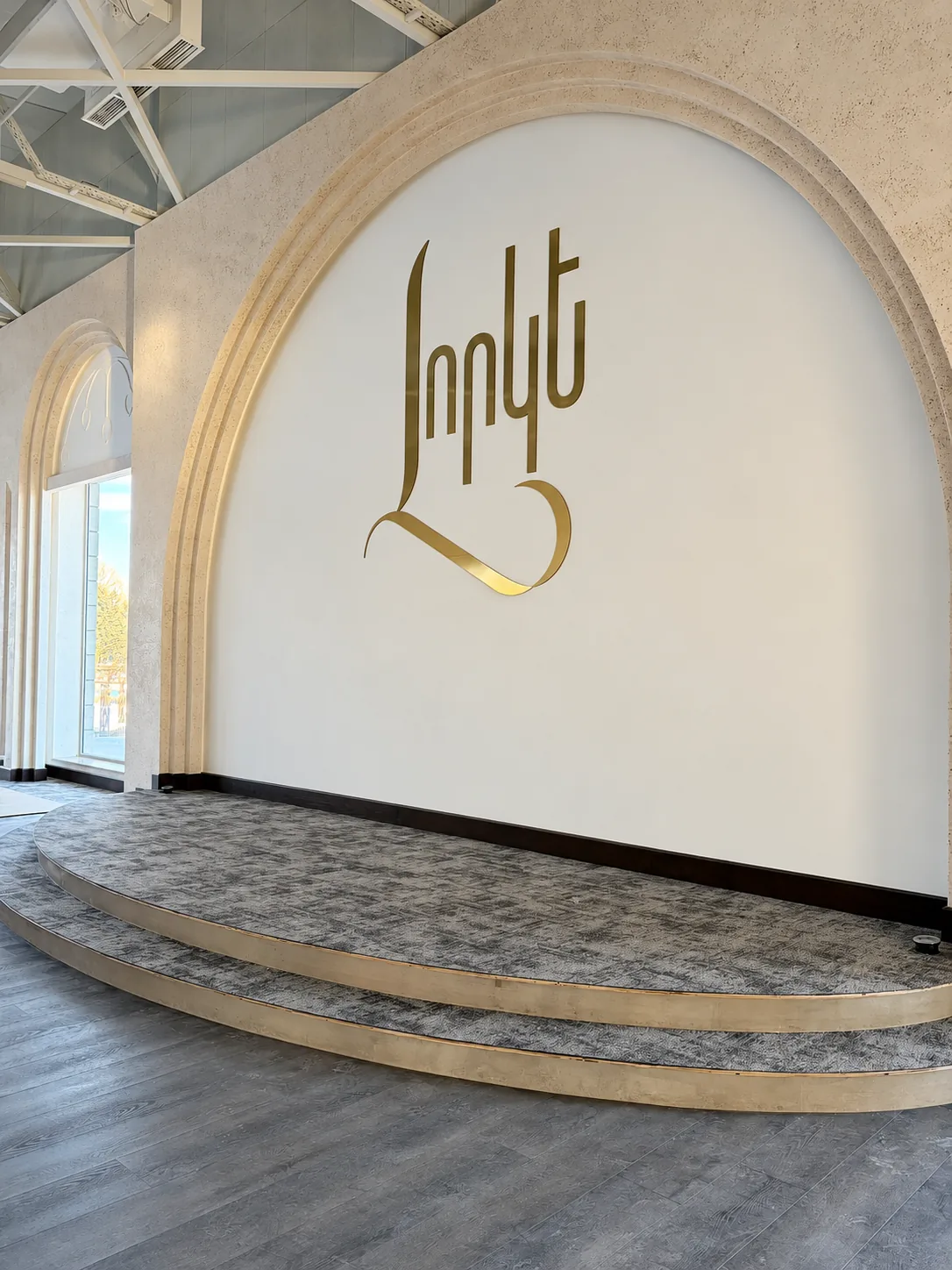
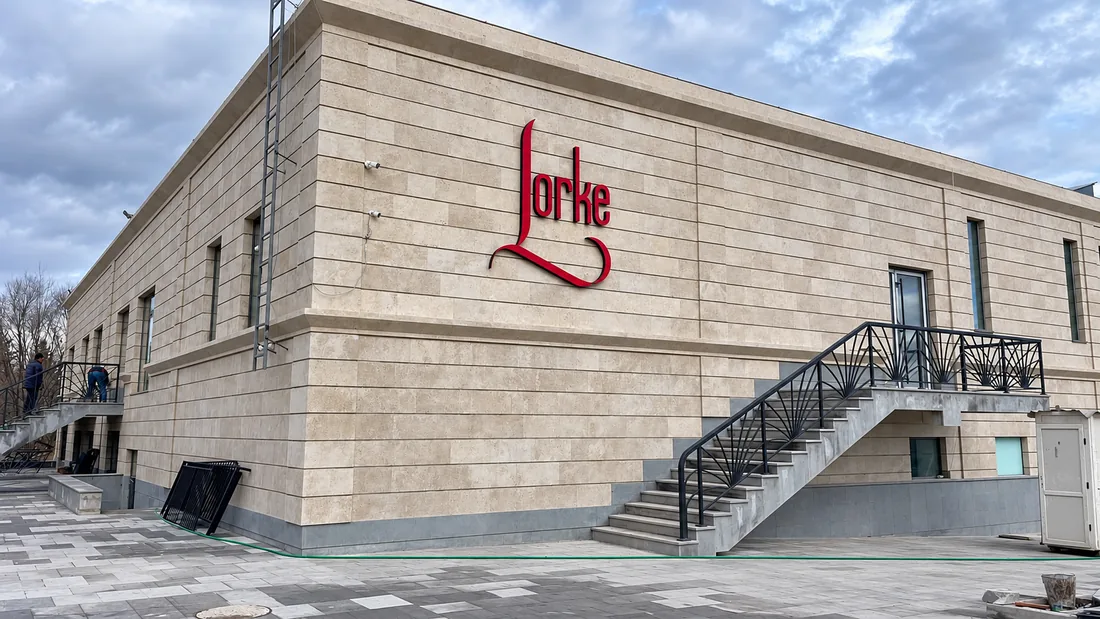
Dimensional letters are individual letters and logo shapes with real depth, cut or built from metal, acrylic, composite or PVC and fixed to a wall or facade. They suit businesses that want the name to look solid and permanent, outdoors as well as in receptions and offices. CONTURA can help you choose the material, depth and lighting; call to discuss your wall and logo.
What the project can include
What are dimensional letters made of?
The material sets both the look and where the letters can go. Stainless steel and aluminium look solid, cope well outdoors and can be brushed, polished or painted. Acrylic takes colour and light, so it is the usual face for lit letters. Composite panels and PVC are lighter and often used for flat-cut letters indoors. Letters are either cut from one sheet, which gives a flat profile, or built as a hollow shell with sides, which allows deeper letters and room for LEDs.
- Stainless steel suits facades and receptions in brushed or polished finishes.
- Painted aluminium takes any brand colour and stays light even in large letters.
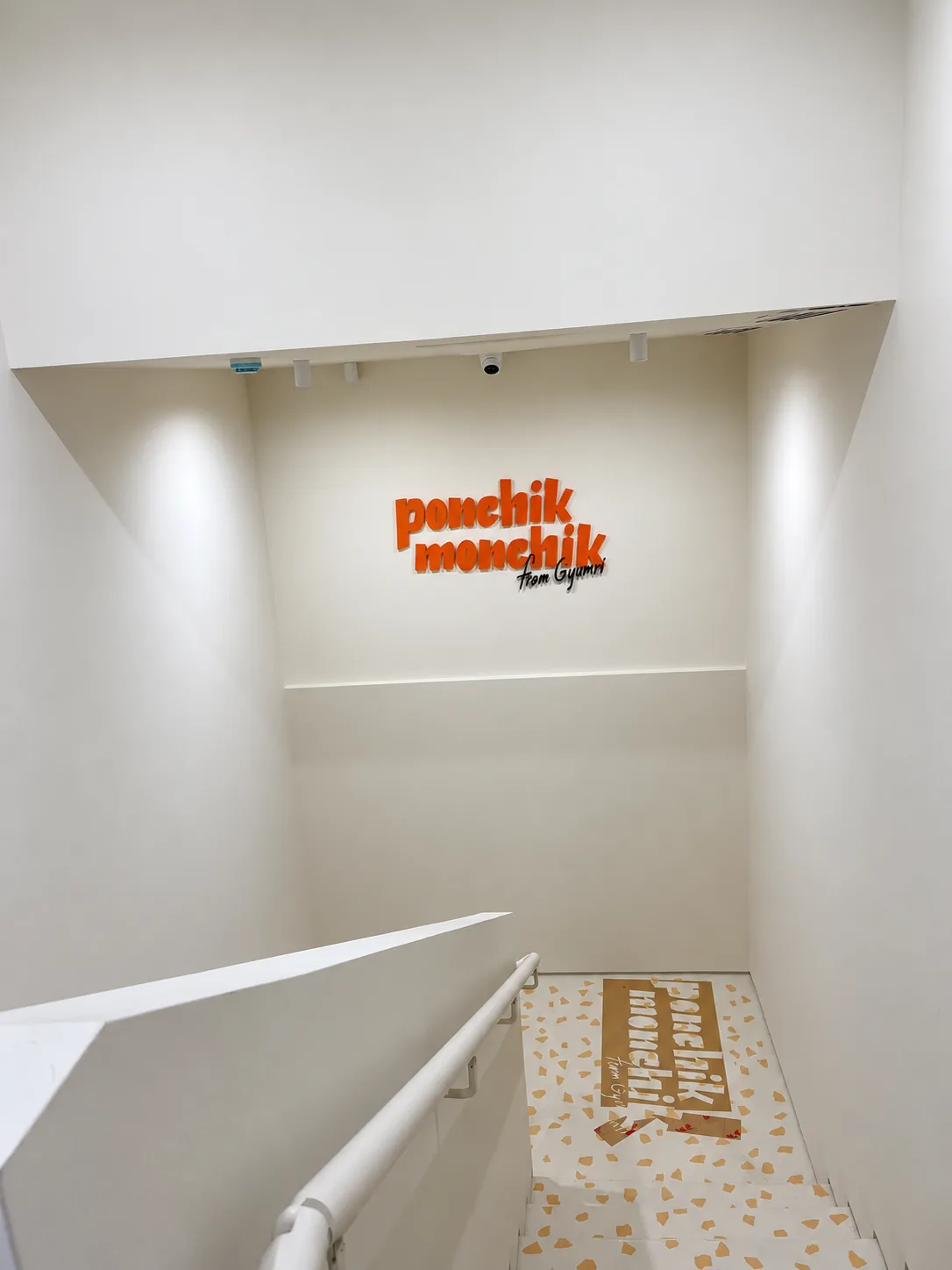
- Acrylic comes coloured or translucent and suits lit letters and interiors.
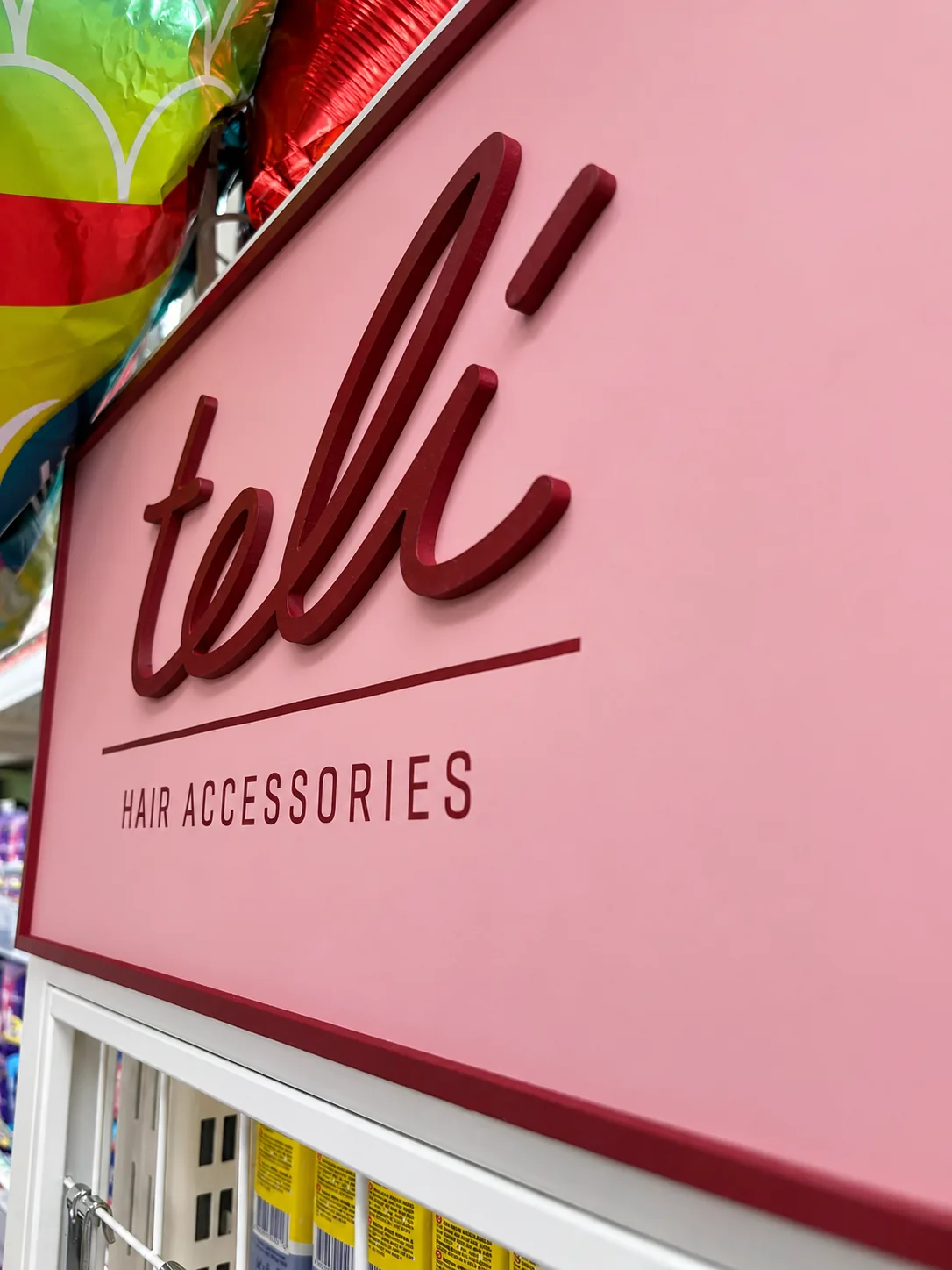
- Composite and PVC give light, flat-cut letters, mostly for indoor use.
When do dimensional letters need lighting?
Unlit letters are enough when the name is seen mainly by day or in a well-lit interior, because their sides cast shadows and the material does the work. Lighting is worth adding when people see the sign in the evening. Letters can glow through an acrylic face, shine onto the wall behind them as a halo, or be lit from outside by small spotlights. It helps to decide early, since lit letters need depth inside for LEDs, a power supply nearby and a route for the cable.
How are dimensional letters fixed to a wall?
Most letters are fixed with threaded studs set into the wall, often with spacers that hold them slightly off the surface so they cast a shadow. On stone and concrete the studs go into drilled holes, on cladding and plasterboard the method depends on what lies behind the surface, and on glass the letters are usually bonded or mounted on a clear panel. A paper template marks the position of every letter before fixing. This is why the wall material is one of the first questions about dimensional letters.
What affects the cost of dimensional letters?
The main factors are the height and number of letters, the material and finish, the depth and whether the letters are lit. Detailed logos and thin strokes take more work than simple shapes, and polished metal, painted surfaces and acrylic each involve different processes. The fixing height, the wall type and access on site add to the scope. Once the logo and the approximate letter height are known, the cost for your sign can be discussed.
| Stainless steel | Painted aluminium | Acrylic | |
|---|---|---|---|
| Look | Brushed or polished metal | Any brand colour | Coloured or translucent, glossy |
| Lighting | Halo-lit | Halo-lit or with an acrylic face | Front-lit, glows evenly |
| Typical place | Facades and receptions | Facades and large letters | Lit letters and interiors |
| Care | Wipe; polished metal shows marks | Wipe with mild soap | Soft cloth, no solvents |
What to discuss before starting
- The original logo file
- Wall material and mounting height
- Preferences for colour, material and lighting
Common questions
Which material is best for dimensional letters?
It depends on where the letters go and whether they are lit. Stainless steel and painted aluminium look solid and work well outdoors, acrylic allows colour and light, and composite or PVC suit interiors. The brand, the wall and the lighting decide the final choice.
Do dimensional letters have to be illuminated?
No. Unlit letters read well by day thanks to natural light, shadow and contrast with the wall behind them. Lighting is worth adding when the name must be seen in the evening, and it is easiest to plan from the start.
Can dimensional letters be used indoors?
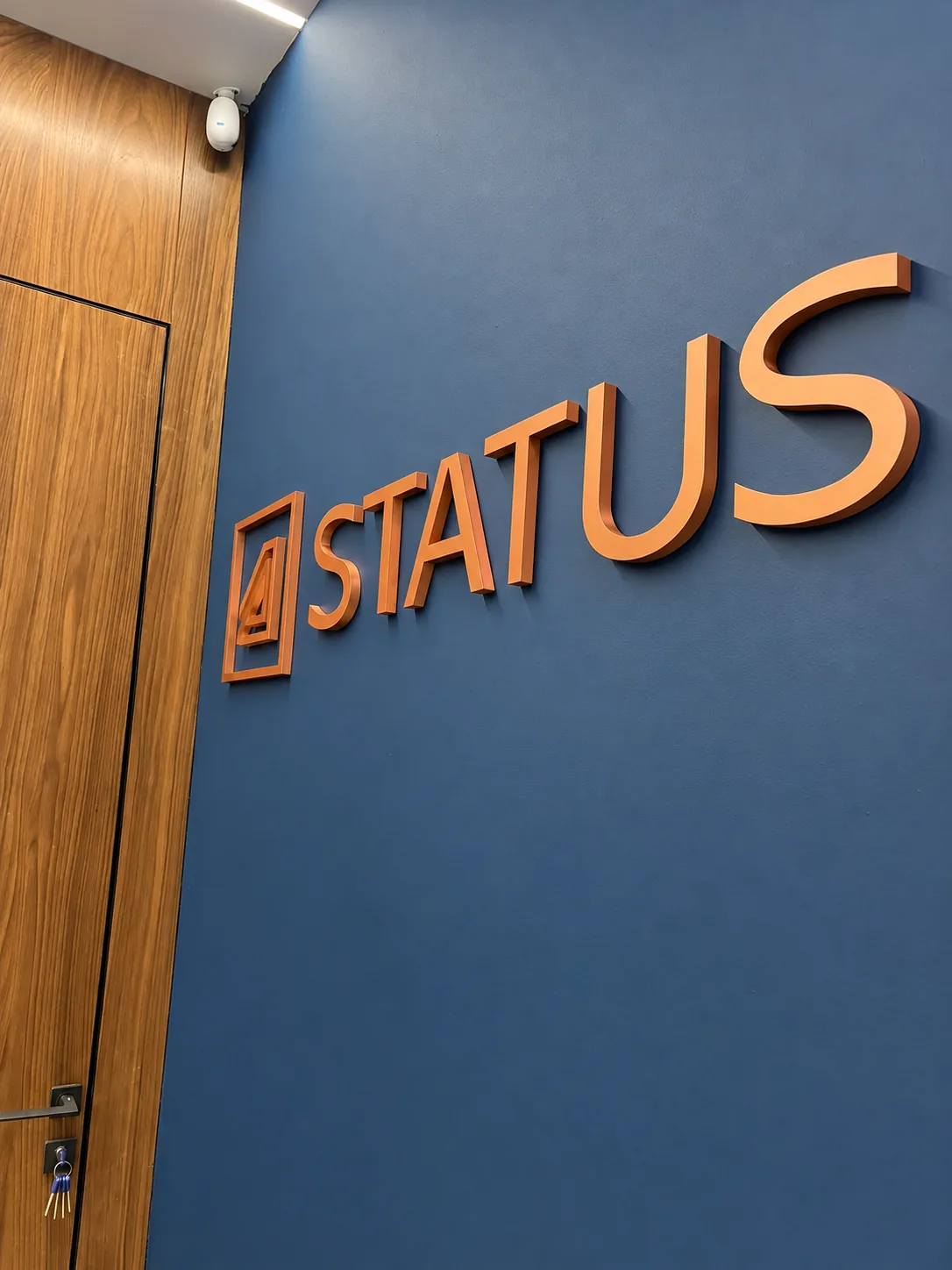
They often are. In receptions, offices and halls they carry the logo or the company name, and indoor letters can be smaller, thinner and lighter than facade letters. Acrylic, PVC and composite are common indoors, with metal chosen for a more solid look.
Why does the wall material matter for dimensional letters?
It decides both the fixing and the look. Stone, concrete, cladding and glass each need a different fixing, usually studs in drilled holes or bonding on glass, and the wall's colour and surface change how the letters stand out. A photo of the wall helps from the first call.
How deep and how tall should dimensional letters be?
It depends on the viewing distance and the wall. Letters read from across a street need more height than letters in a reception. Depth is chosen so the sides catch the light without looking heavy, and lit letters need extra depth for the LEDs.
What is the difference between dimensional letters and a flat sign?
Dimensional letters stand on the wall with their own depth, so their sides catch light and cast shadows, and the wall shows between them. A flat sign carries the name on one panel, which is simpler to change but reads more like a board than a part of the building.
Do dimensional letters hold up outdoors?
They do when the material and finish are chosen for outdoor use. Stainless steel, aluminium with a durable paint finish and UV-stable acrylic cope with sun, rain and temperature changes, and sealed joints keep water out of lit letters. Indoor foams and some plastics are better kept inside.
How do I clean dimensional letters?
Wipe them with a soft cloth and mild soapy water. Avoid abrasive pads on polished metal and solvents on acrylic, as both leave marks. Outdoors, it also helps to check the fixings and the gap behind the letters for dirt and debris from time to time.
Can dimensional letters be made in Armenian script?
Armenian, Latin and Cyrillic letters can all be made dimensional, and CONTURA's work includes Armenian, Latin and mixed lettering. Thin strokes and small details need enough letter height and stroke width, so the letters stay strong and readable.
What logo file do I need for dimensional letters?
A vector file, such as AI, EPS, PDF or SVG, is best, because the letters are cut along its outlines. If you only have a raster image, the logo can be redrawn first. Also mention the wall material, the mounting height and your preferences for colour, material and lighting.
Why do dimensional letters of the same height differ in price?
Because the material, finish, depth and lighting change the work behind each letter. A detailed logo with thin strokes takes more work than simple block letters, and the fixing height and wall type add to the scope. Quotes can be compared only when they describe the same materials and construction.
Do dimensional letters on a facade need permission?
Often they do. Rules on the size and placement of facade lettering differ by municipality and sometimes by street or building, and the building owner's consent is usually needed. Check the local rules before the design is final and production starts.
Let's make your
idea visible
Tell us what you have in mind. We'll talk through where to begin.