

Illuminated signs
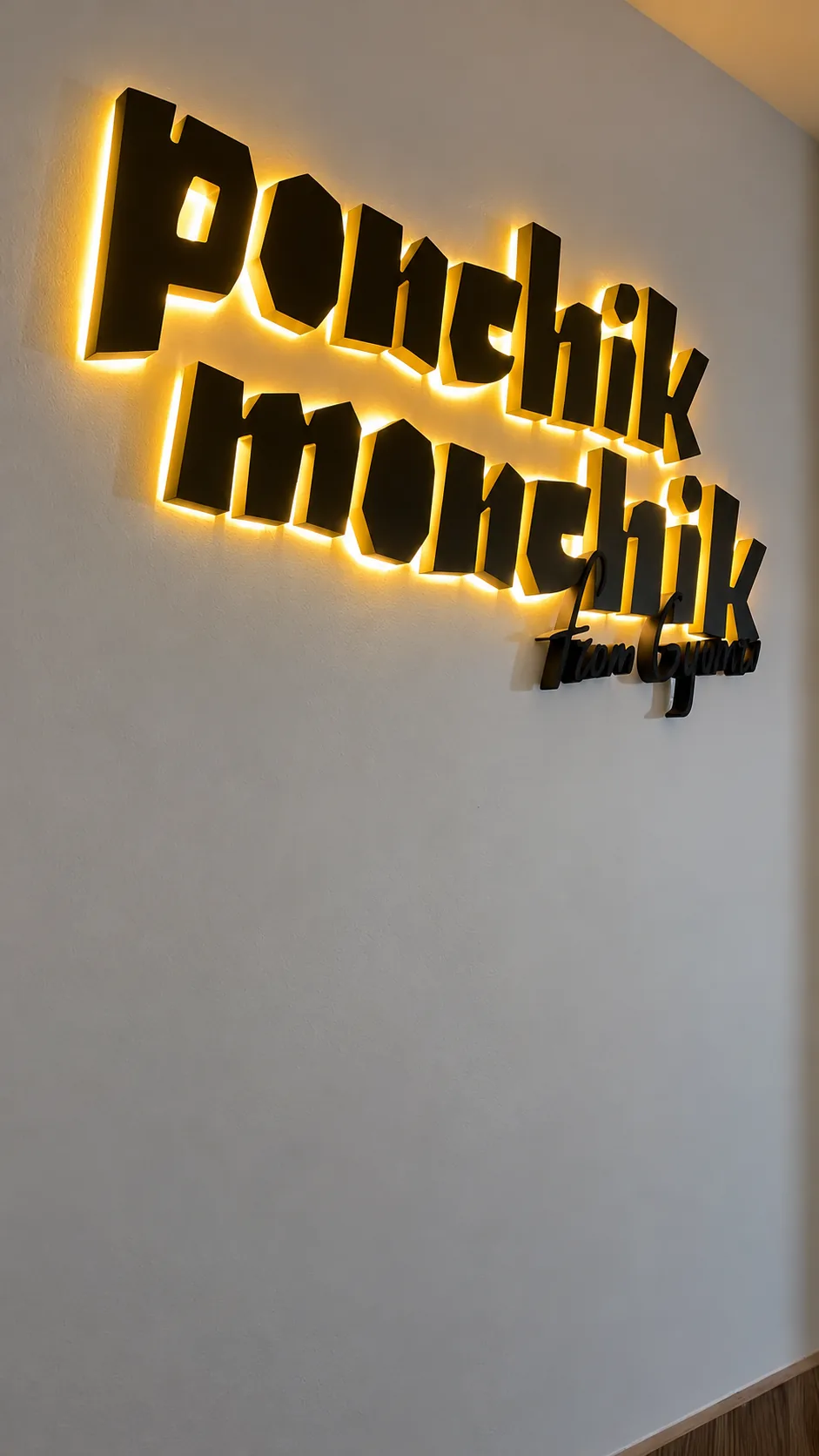
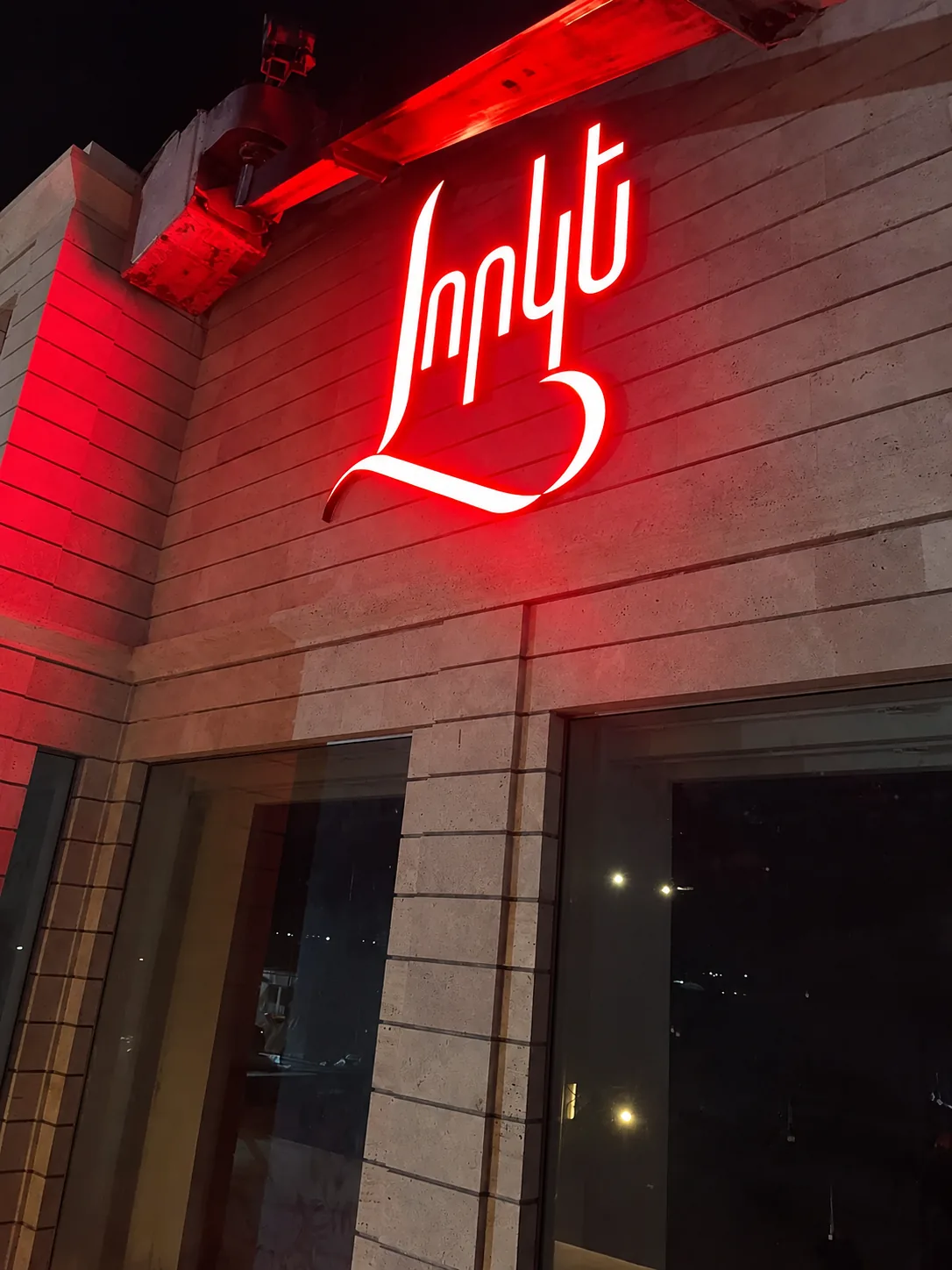
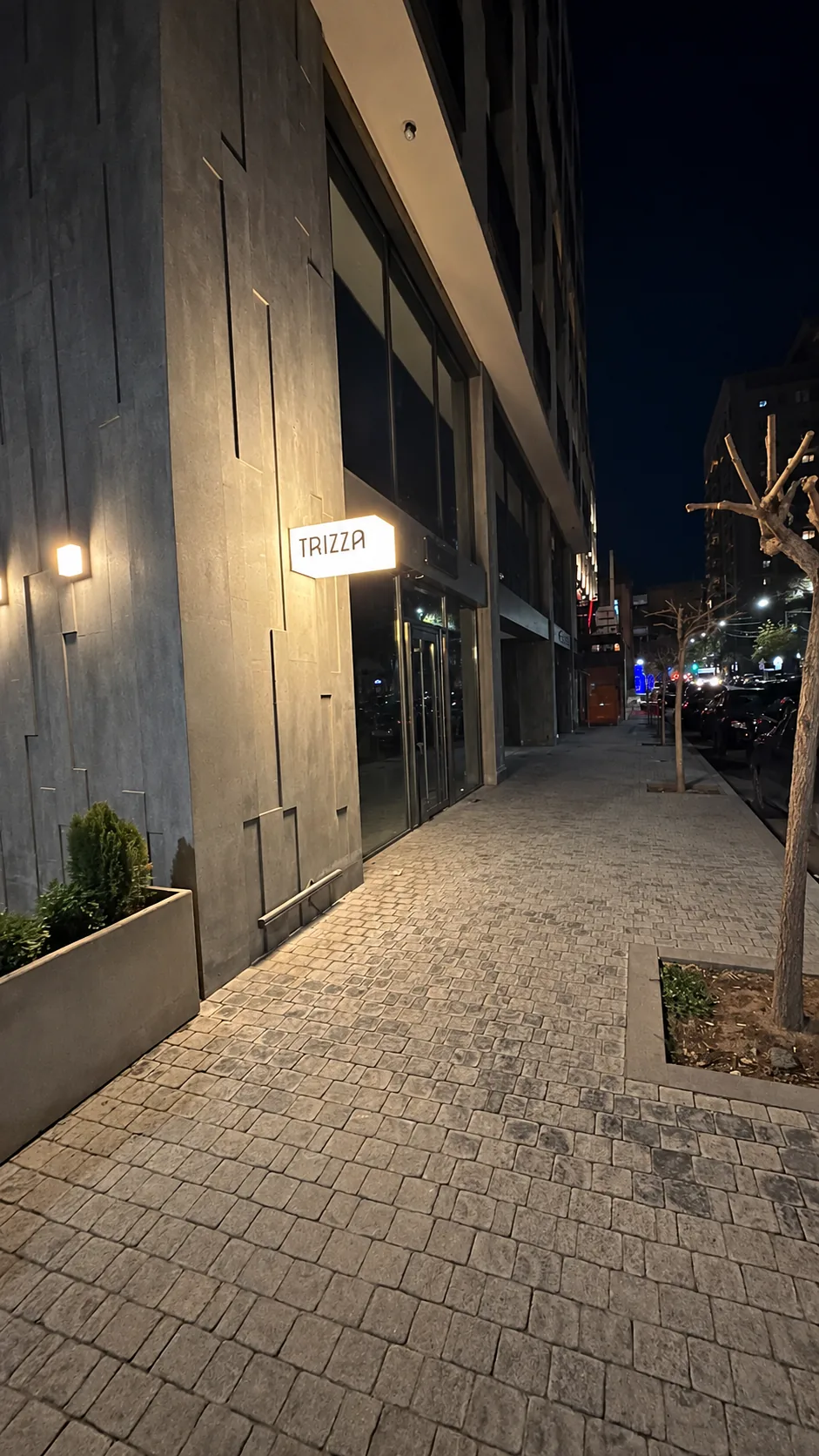
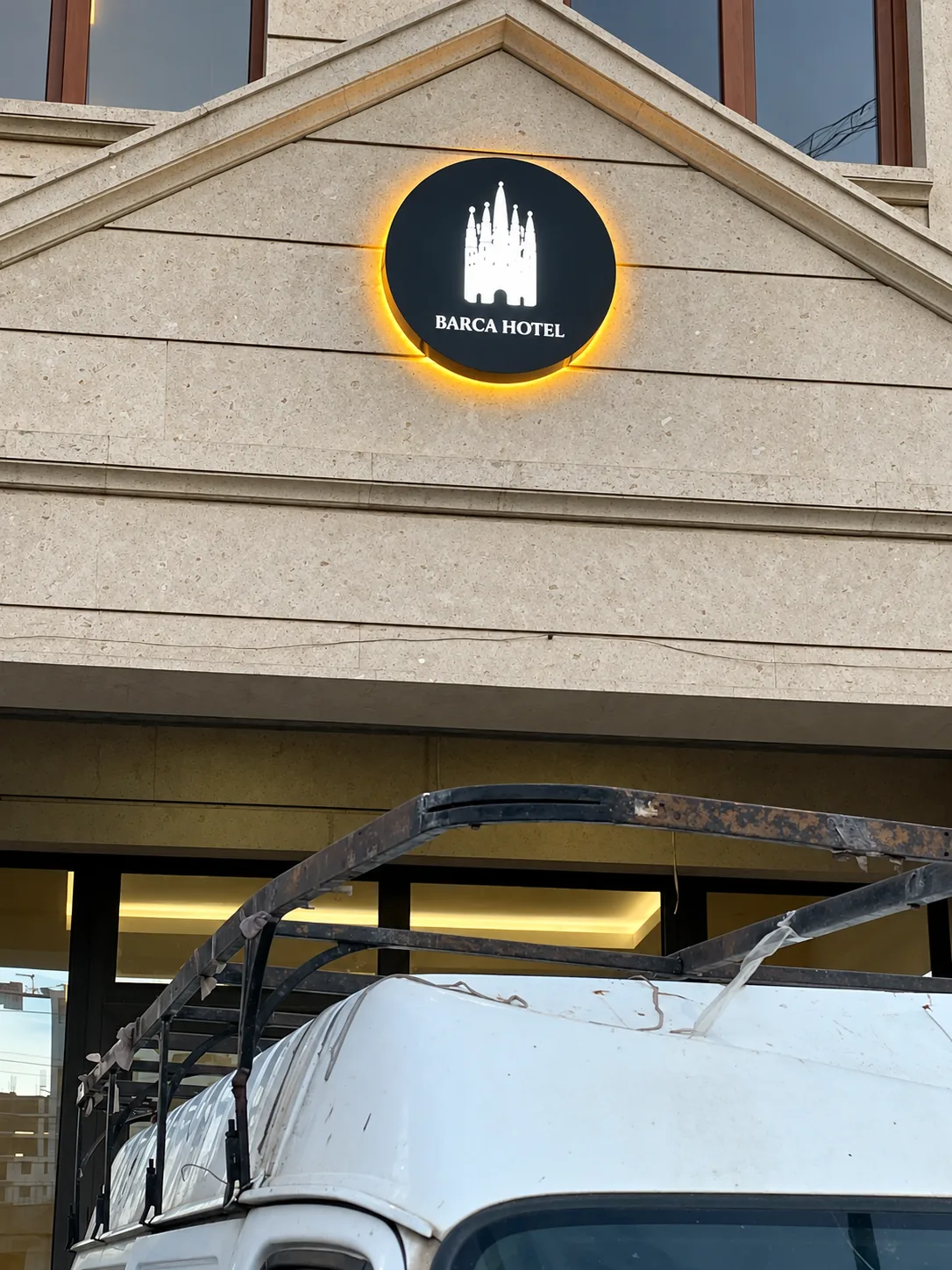
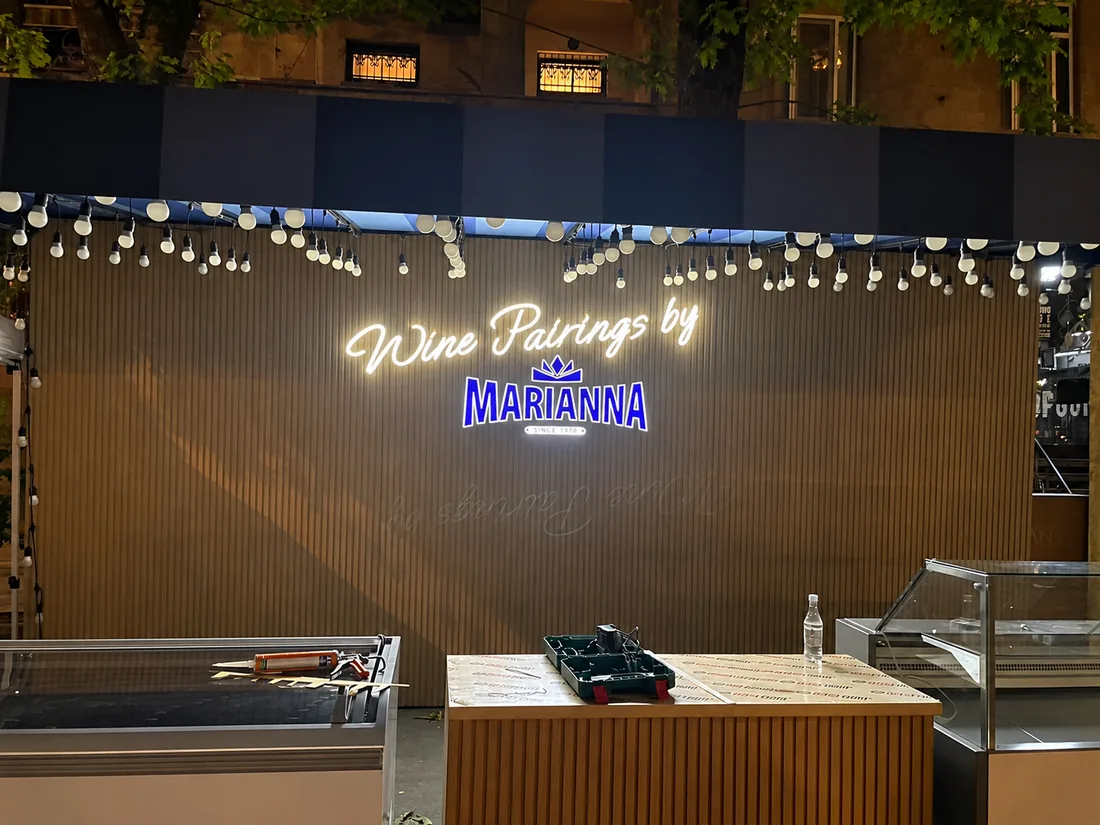
How an illuminated sign works by day and at night
An illuminated sign is a sign with a built-in light source, usually LED modules inside the letters or a lightbox, so the name stays readable after dark. It is the right choice when customers pass in the evening, when many signs compete on the street, or when the entrance is hard to spot. CONTURA can help you choose the lighting type, size and placement; call to discuss your facade.
What the project can include
How does an illuminated sign produce its light?
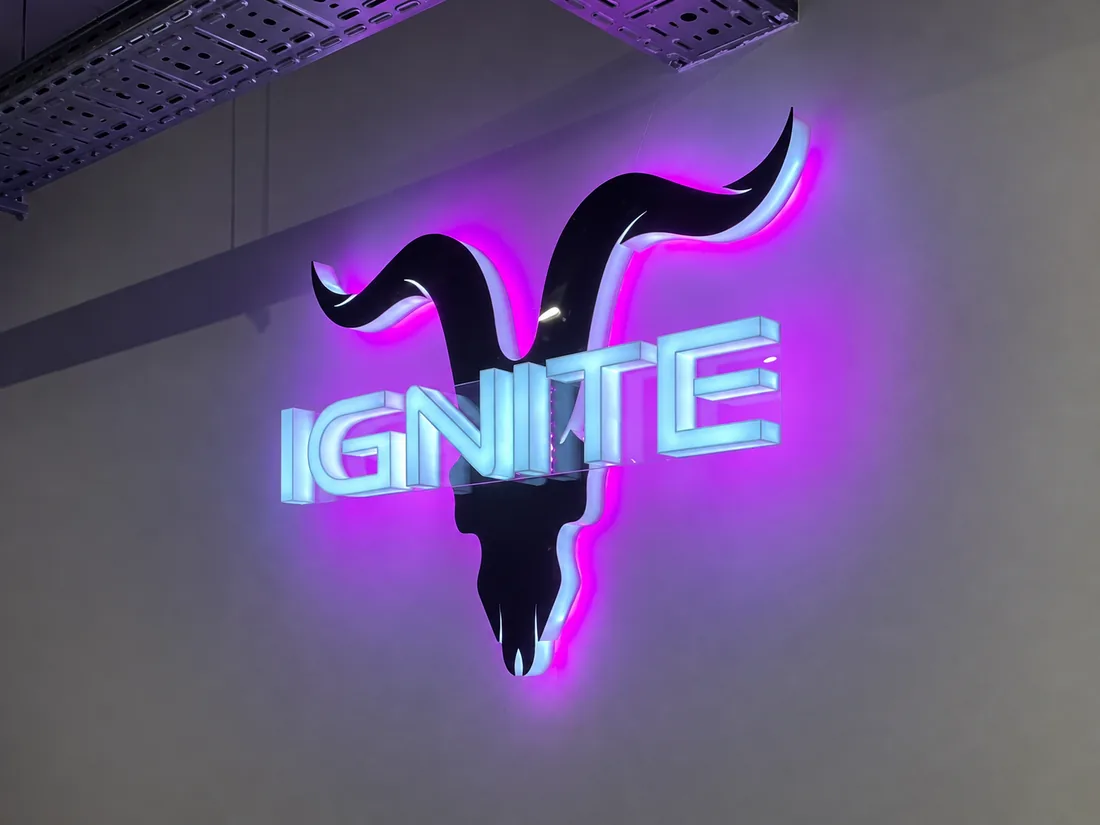
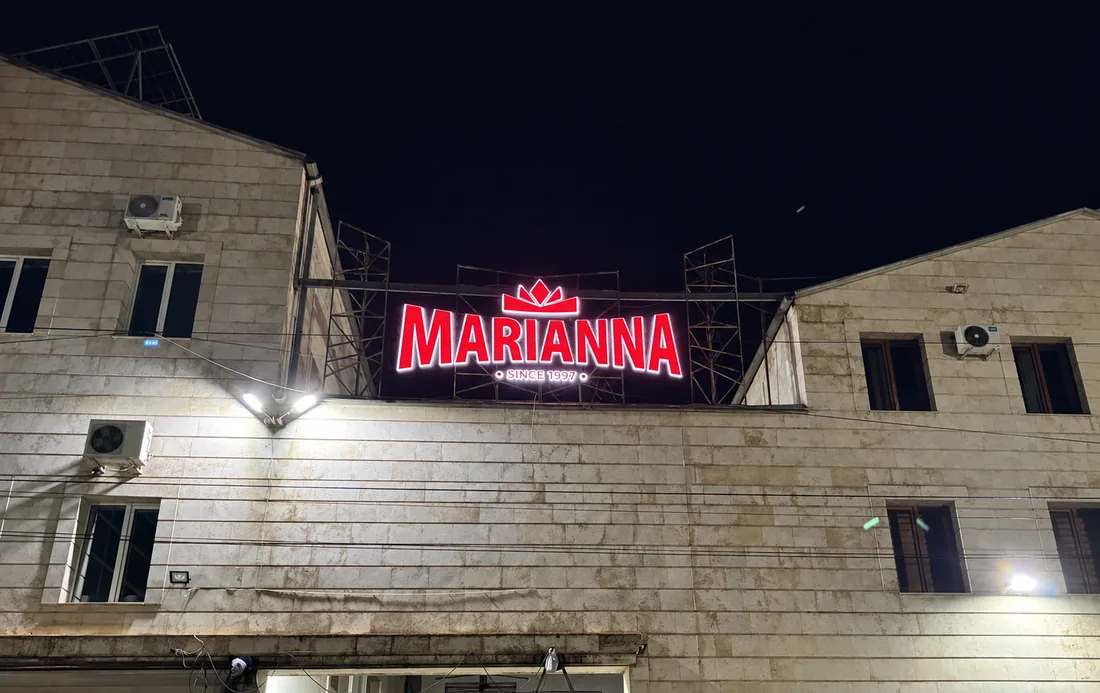
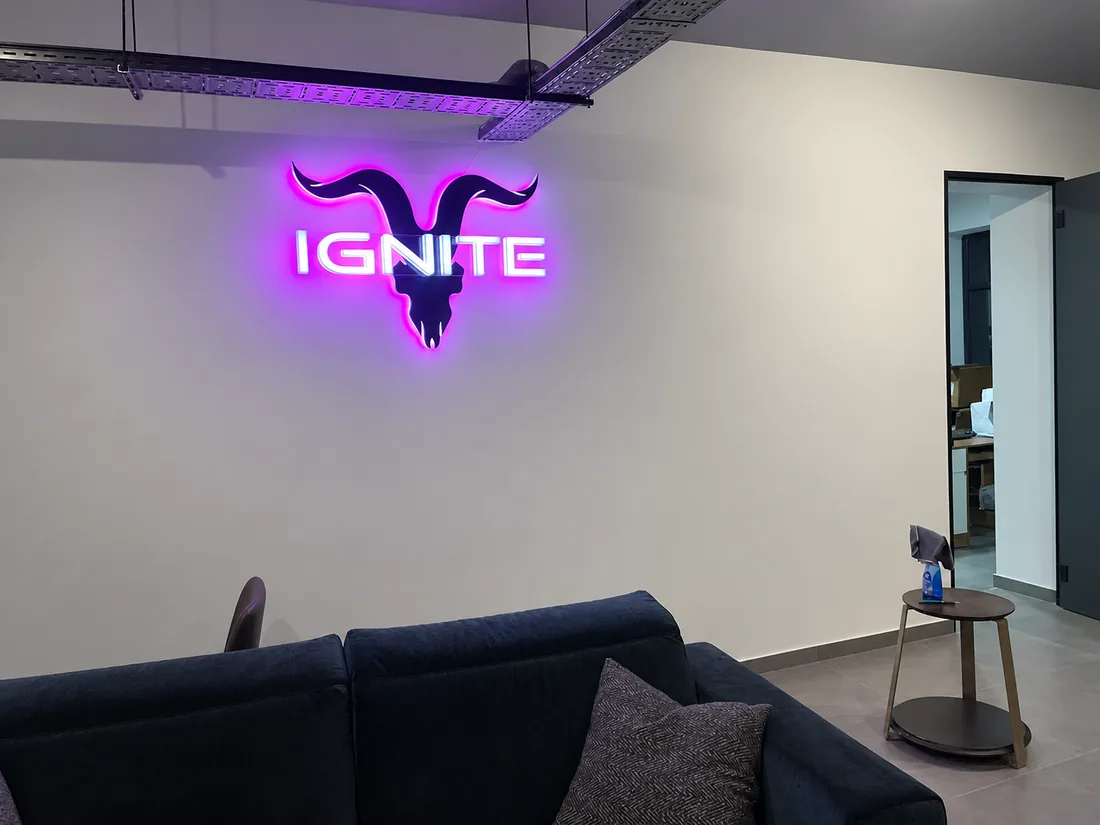
Most illuminated signs today are lit by LED modules placed inside the letters or a box and fed by a low-voltage power supply. In front-lit letters the light passes through a translucent acrylic face, so the whole letter glows. In halo-lit letters the face is solid, often metal, and the light shines backwards onto the wall. A lightbox spreads the light behind a printed acrylic or fabric face. The power supply usually sits near the sign, so the cable route and access for maintenance are planned together with the fixing.
What types of illuminated signs are there?
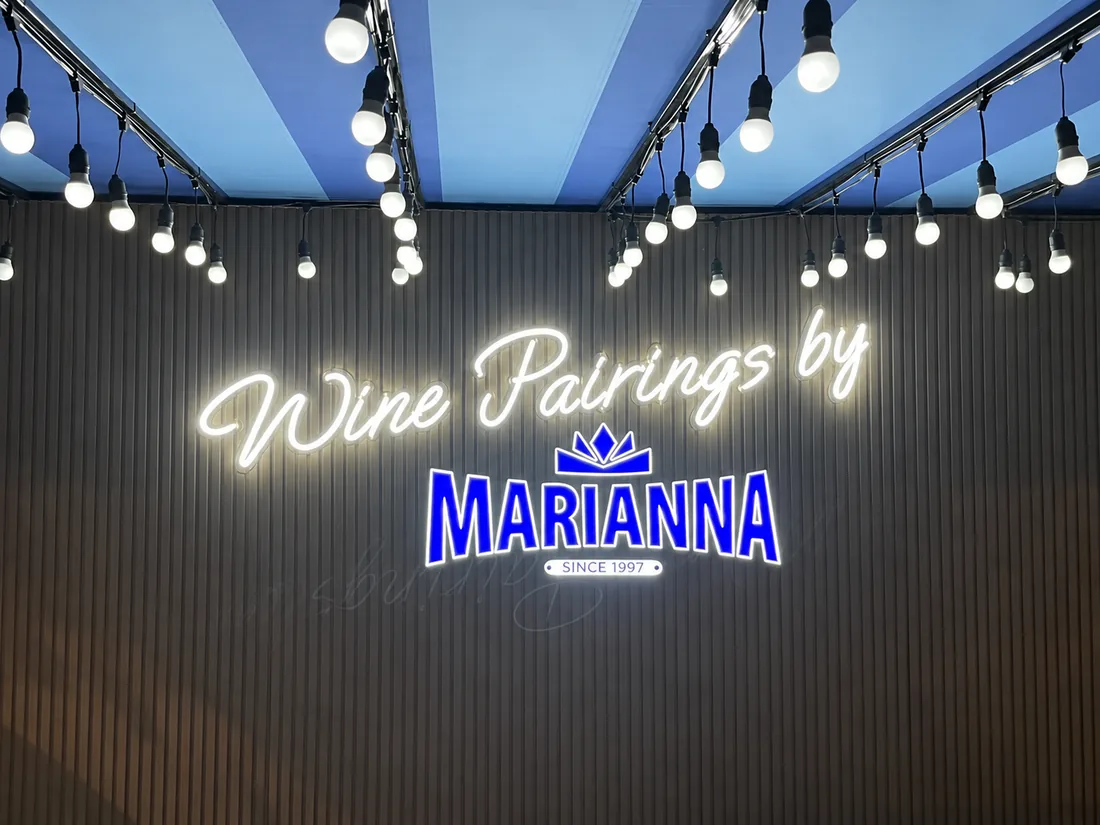
Illuminated signs differ mainly in where the light comes from and how much of the sign glows. Individual letters read as part of the building, while a lightbox puts the whole name on one lit panel. A single sign can also combine types, such as a front-lit logo beside halo-lit letters. The choice usually follows the logo, the viewing distance and the wall behind the sign.
- Front-lit letters glow across their face and read well from a distance.
- Halo-lit letters light the wall behind them and draw a soft outline.
- Combined letters glow on the face and cast a halo at the same time.
- Lightboxes carry the name or logo on one lit panel, often as a projecting sign.
- Neon-style lettering uses flexible LED lines and suits interiors and shop windows.
Where does an illuminated sign work best?
An illuminated sign pays off wherever people see the business in the evening or in low light. Typical places are streets with evening foot traffic, shopping streets where many signs compete, entrances set back from the road, and interiors such as receptions and shop windows. Halo lighting usually looks best on smooth, light-coloured stone or plaster, which reflects the glow evenly. Front-lit letters suit busy streets and wide facades seen from far away. On a quiet, well-lit street, unlit dimensional letters can be enough.
What affects the cost of an illuminated sign?
The cost depends mainly on the size and number of letters, the lighting type, the materials and the work on site. Front-lit, halo-lit and combined letters are built differently, and a detailed logo takes more work than simple shapes. The fixing height, the wall material, access to the wall and the distance to a power supply also count. The cost can be discussed once the size, materials and facade are known, which is why a photo and approximate dimensions help from the first call.
| Front-lit letters | Halo-lit letters | Lightbox | |
|---|---|---|---|
| What glows | The face of each letter | The wall behind the letters | The whole printed panel |
| Daytime look | Coloured acrylic faces | Metal or painted faces | Printed panel |
| Suits | Busy streets, wide facades | Calm facades, interiors | Narrow facades, projecting signs |
| Wall to check | Any sound wall | Smooth, light surface | Fixing for one larger box |
What to discuss before starting
- The location and approximate dimensions
- Viewing distance and surrounding light after dark
- Power supply and access for maintenance
Common questions
What is the difference between front-lit and halo-lit illuminated signs?
Front-lit letters glow through a translucent face, so the name reads clearly from far away. Halo-lit letters have a solid face and shine onto the wall behind them, which draws a soft outline. Front-lit letters suit busy streets, and halo lighting suits calmer facades and interiors.
How do I choose the lighting for an illuminated sign?
Start with the logo, the wall material and the light around the building in the evening. Thin or detailed logos often read better front-lit, while bold shapes on a smooth wall suit halo lighting. Daytime and evening photos of the place make the choice easier.
Can an illuminated sign be mounted on any facade?
Most facades can take one, but the wall material, its condition and the power supply decide how it is fixed. Stone, plaster, composite cladding and glass each need a different method. A photo of the whole wall, showing where a cable could run, helps check this early.
Is an illuminated sign readable in the daytime too?
It should be, as long as the letter colours, depth and contrast with the wall are chosen for daylight as well as for the evening. Coloured acrylic faces and metal halo-lit letters both read well by day when they stand out clearly from the wall.
Do illuminated signs use LED or neon?
Most use LED modules today, because they need less power than gas-filled neon tubes and are usually easier to service. The neon look is often made with flexible LED lines, which give a similar continuous glow and suit interiors and shop windows.
Why do prices for illuminated signs vary so much?
Because two signs of the same size can involve very different work. The lighting type, the materials, the number and complexity of letters, the fixing height and the wall all change the scope. Quotes can be compared only when they describe the same construction, materials and lighting.
What maintenance does an illuminated sign need?
Mostly cleaning and an occasional check. Dust on the faces dulls the light, and a dark letter or flickering usually means an LED module or a power supply needs replacing. Safe access to the power supply, planned from the start, makes this service simpler.
Do I need permission for an illuminated sign?
Often you do. Rules on size, brightness and placement differ by municipality and sometimes by street or building, and the building owner's consent is usually needed as well. Check the local requirements before the design is final and production starts.
Can an illuminated sign combine Armenian and Latin letters?
One sign can carry the name in Armenian, Latin or Cyrillic letters, or in two scripts together, and CONTURA's work includes Armenian, Latin and mixed lettering. Thin strokes and small details in any script are hard to light evenly, so letter height and stroke width are checked first.
How bright should an illuminated sign be?
Bright enough to read clearly against the street at night, but not so bright that the letters blur or dazzle. The right level depends on the surrounding light, the viewing distance and local rules. Many LED power supplies can be dimmed, and a timer can switch the sign off late at night.
What should I prepare before calling about an illuminated sign?
Your logo, a photo of the facade or wall, approximate dimensions and your preferred date. Daytime and evening photos show the surrounding light, and a note on where power is available helps plan the lighting. If you only have an idea so far, that is enough to start.
What happens after I call CONTURA about an illuminated sign?
You describe the place, the logo and what the sign should achieve. Based on your photos and dimensions, we discuss the lighting type, size, materials and placement, and then agree on the scope of work and the next steps.
Let's make your
idea visible
Tell us what you have in mind. We'll talk through where to begin.