

Facades & entrances

How a facade sign helps people find your entrance
A facade sign is the name or logo fixed to the outside of a building, usually above or beside the entrance, that shows what the place is and where to go in. It is the first sign to plan for a shop, office or venue that relies on passers-by or visitors looking for the address. CONTURA can help with its size, placement and lighting; call to discuss your facade.
What the project can include
What types of facade signs are there?
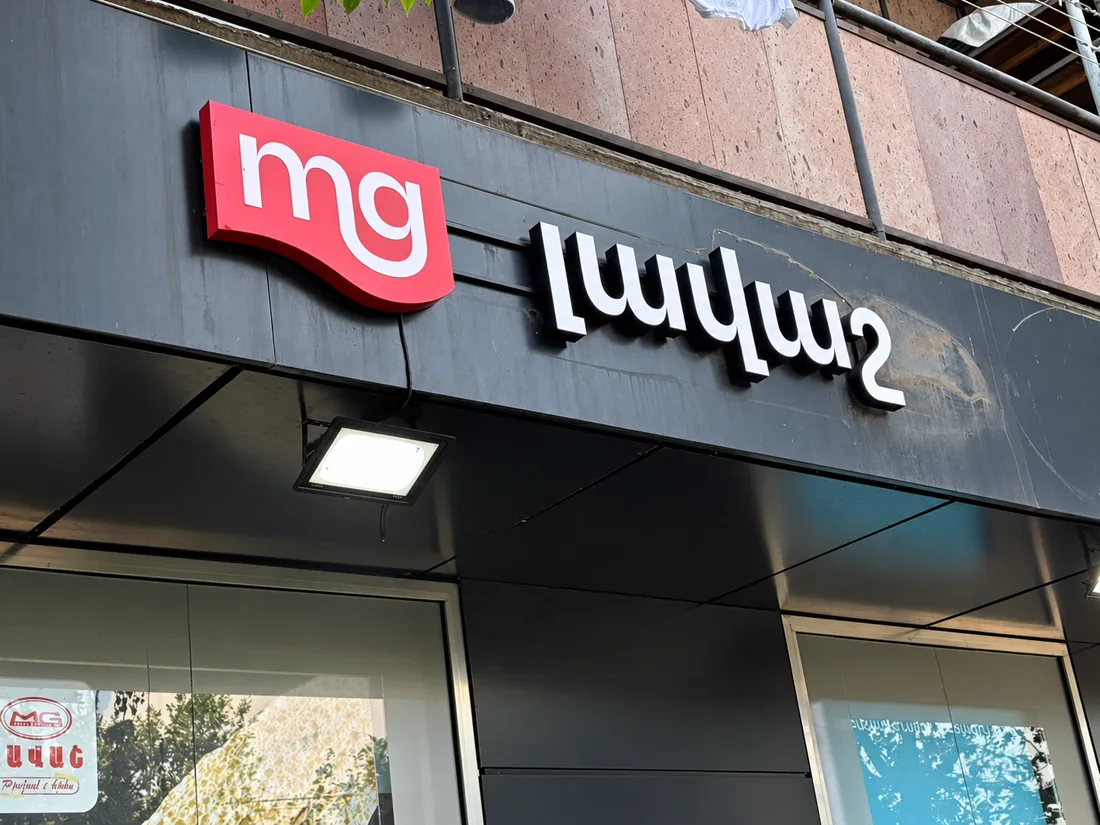
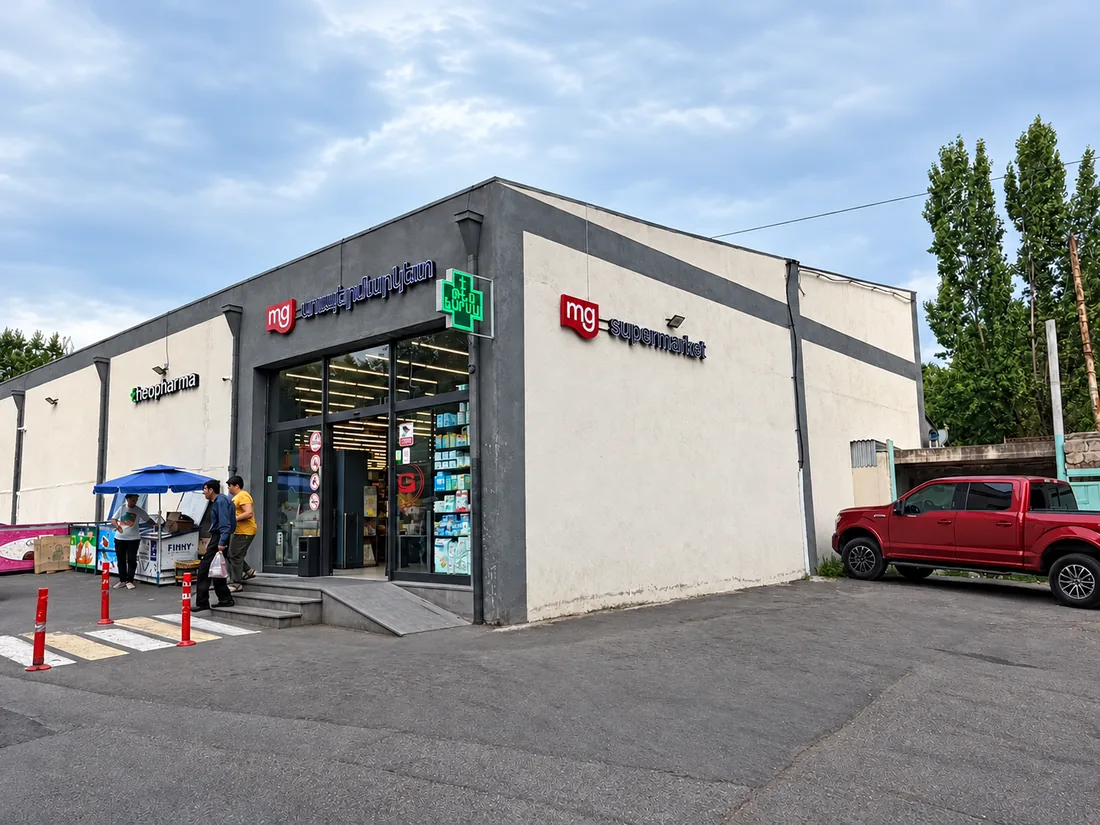
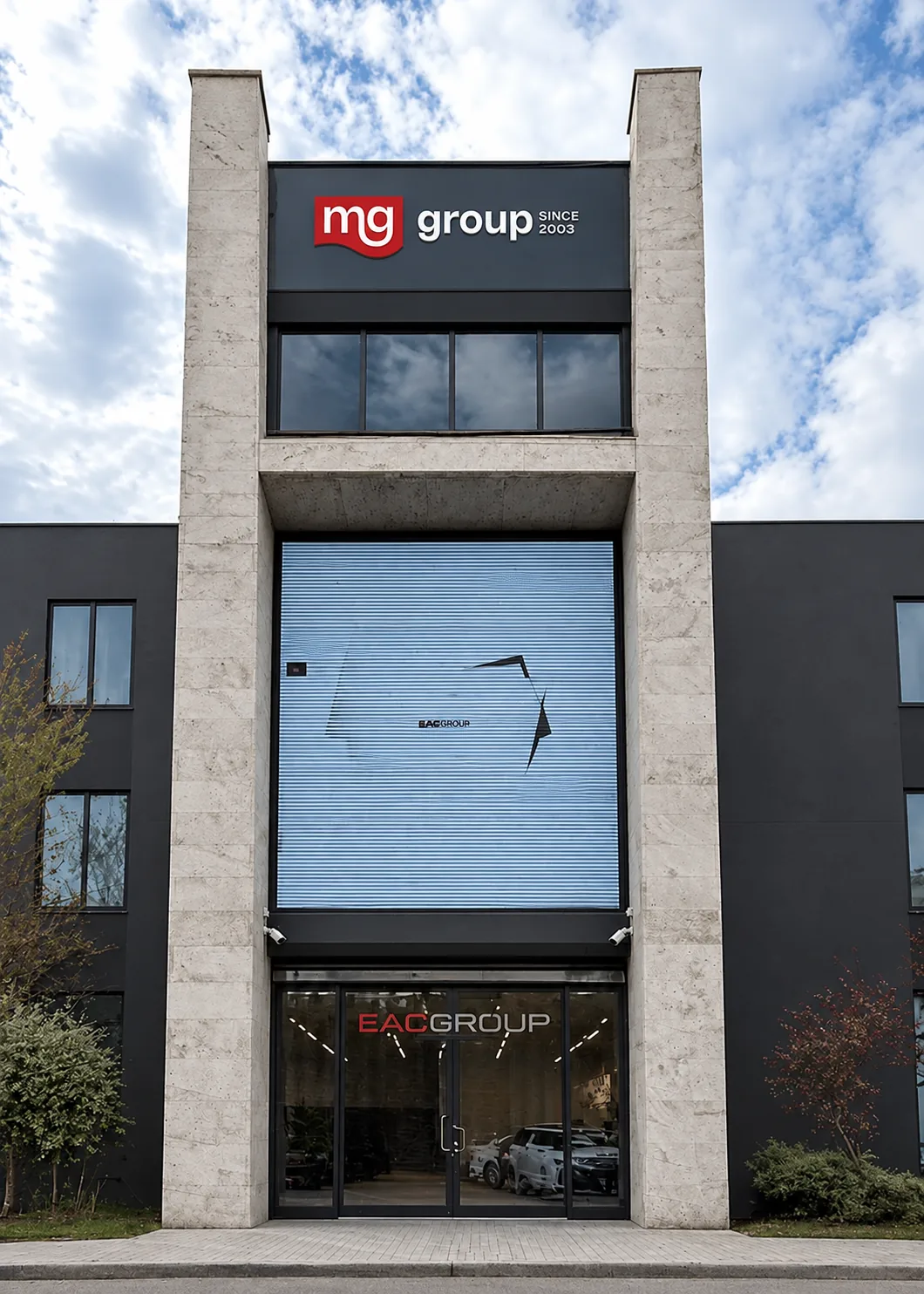
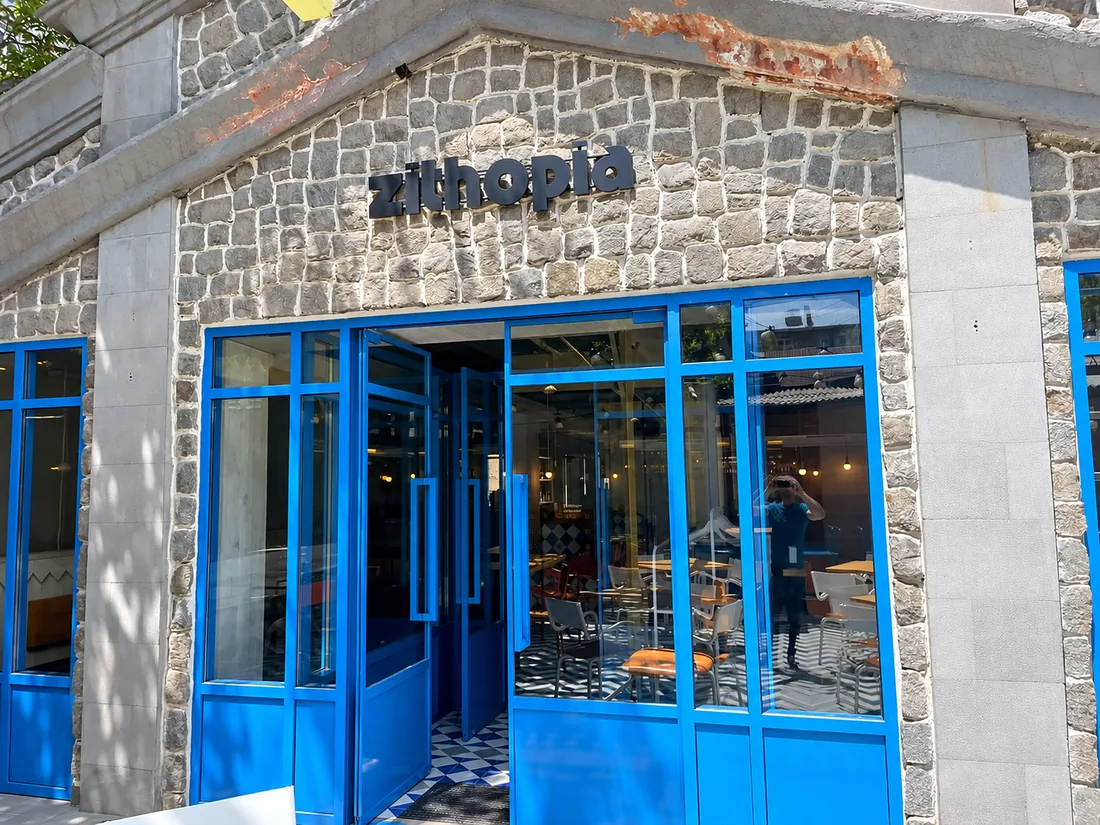
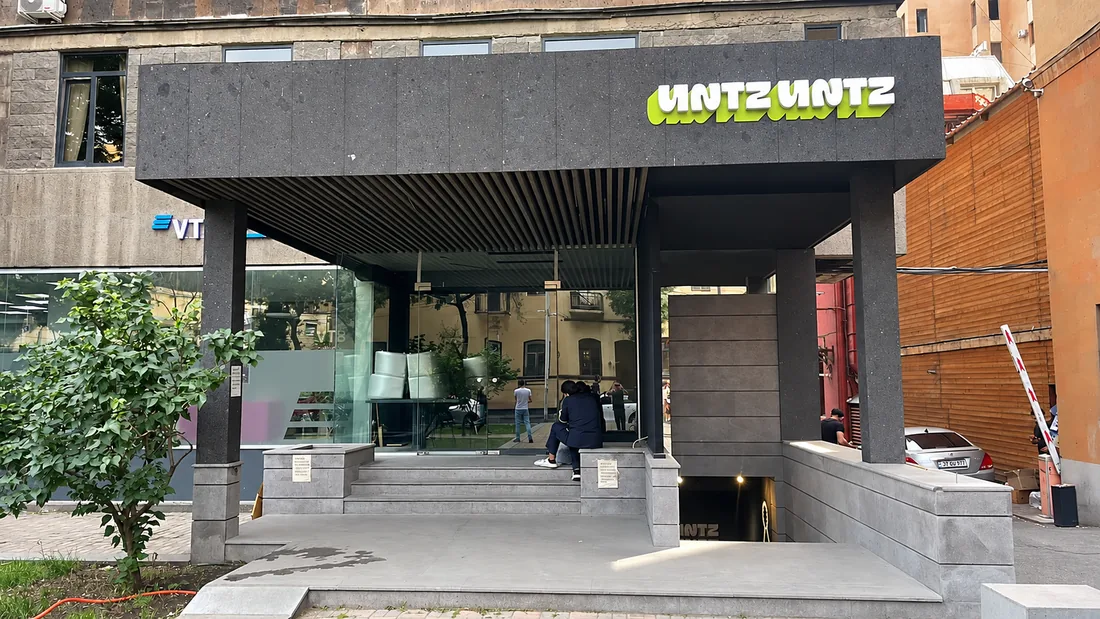
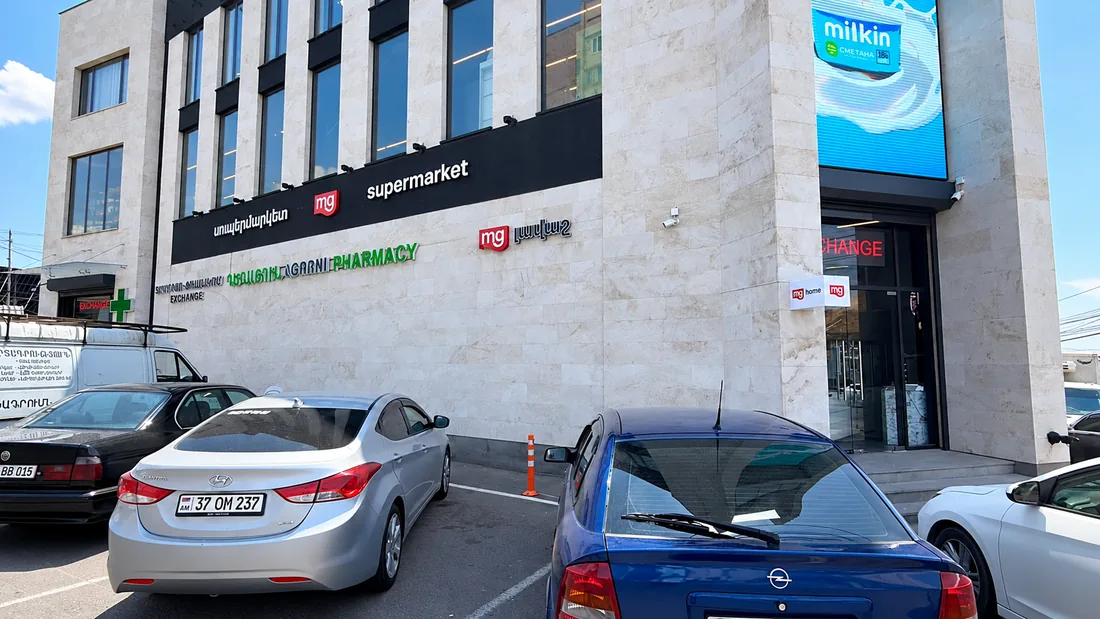
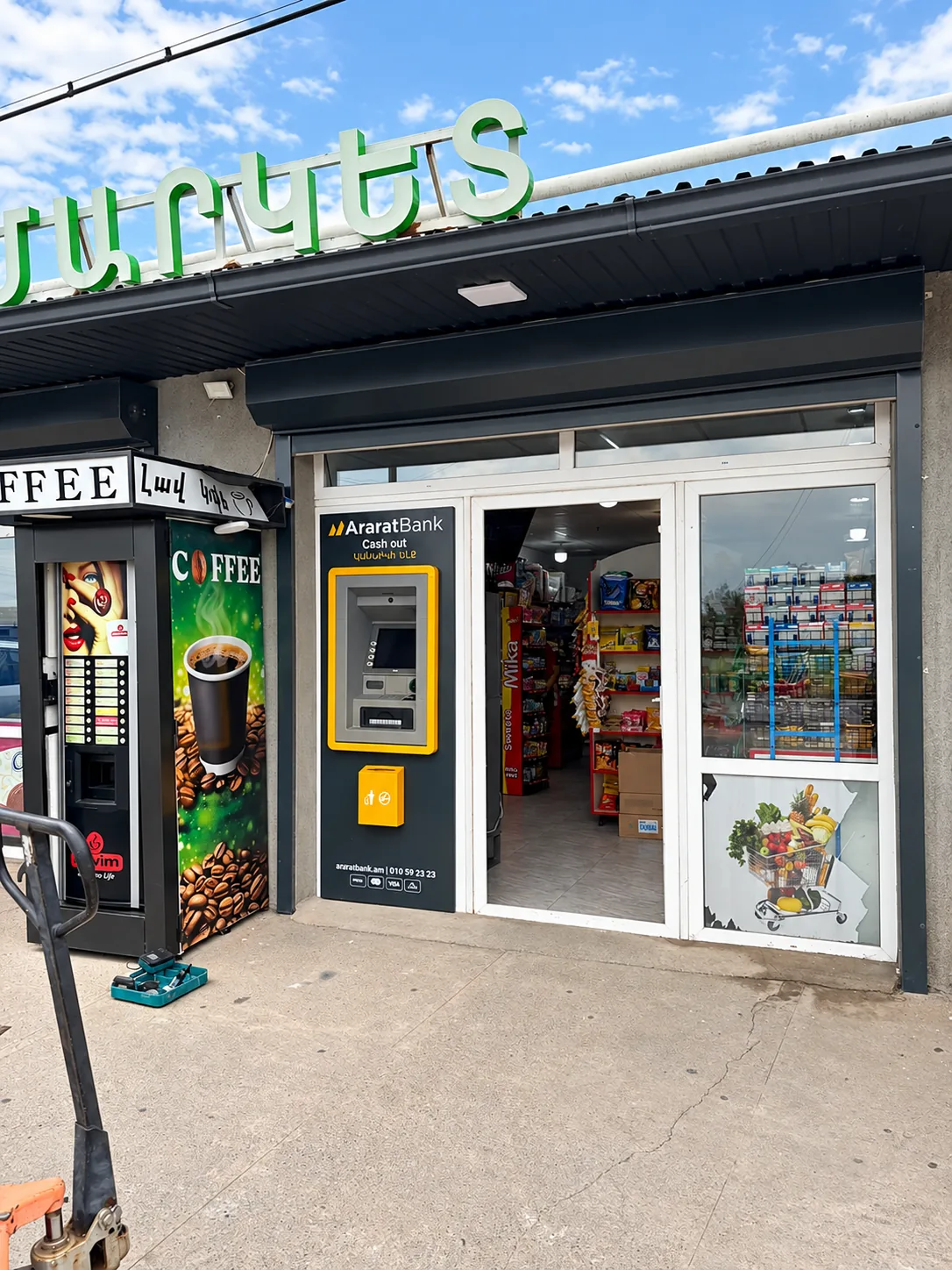
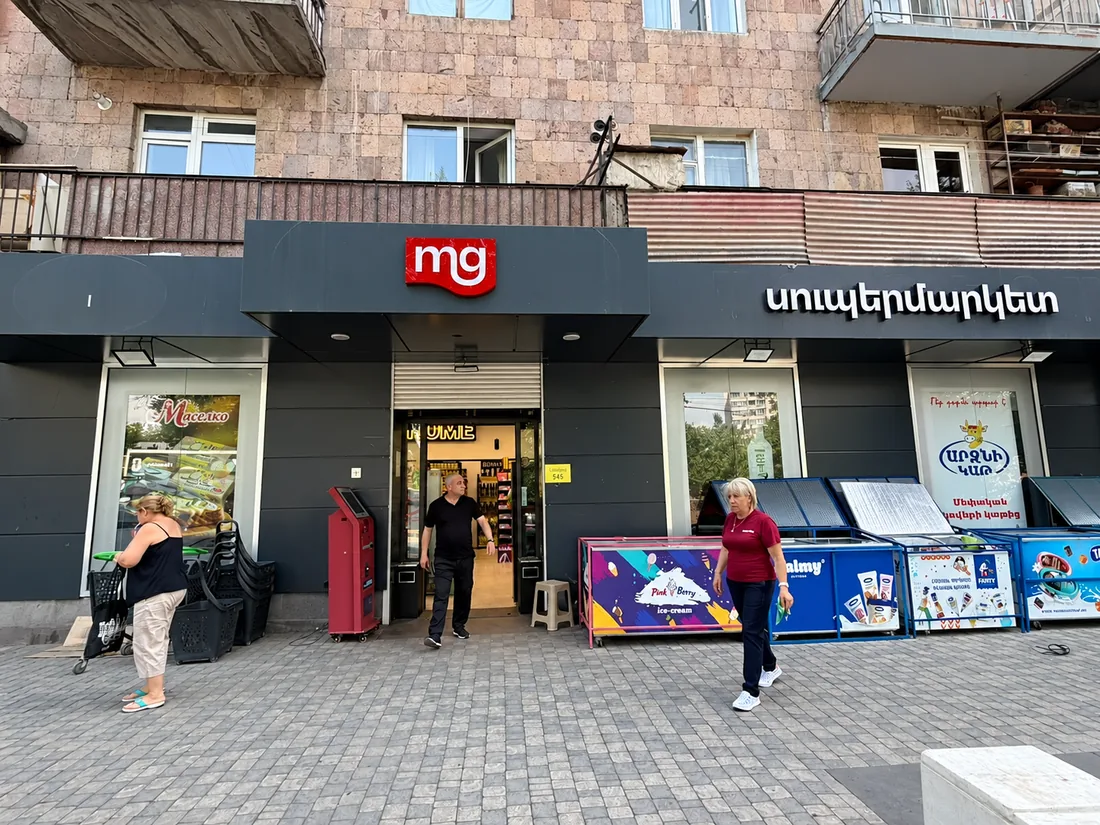
Facade signs are usually grouped by where they sit on the building. A fascia sign runs along the band above the shopfront, a projecting sign stands out from the wall so people walking along the pavement see it from the side, and a canopy sign sits on or under the canopy over the door. Roof and freestanding signs reach people farther away. Each of them can use flat panels, dimensional letters or illuminated letters, and the entrance often carries smaller details as well.
- Fascia signs carry the name along the band above the shopfront.
- Projecting signs are seen from the side by people walking along the street.
- Canopy signs sit on or under the canopy over the door.
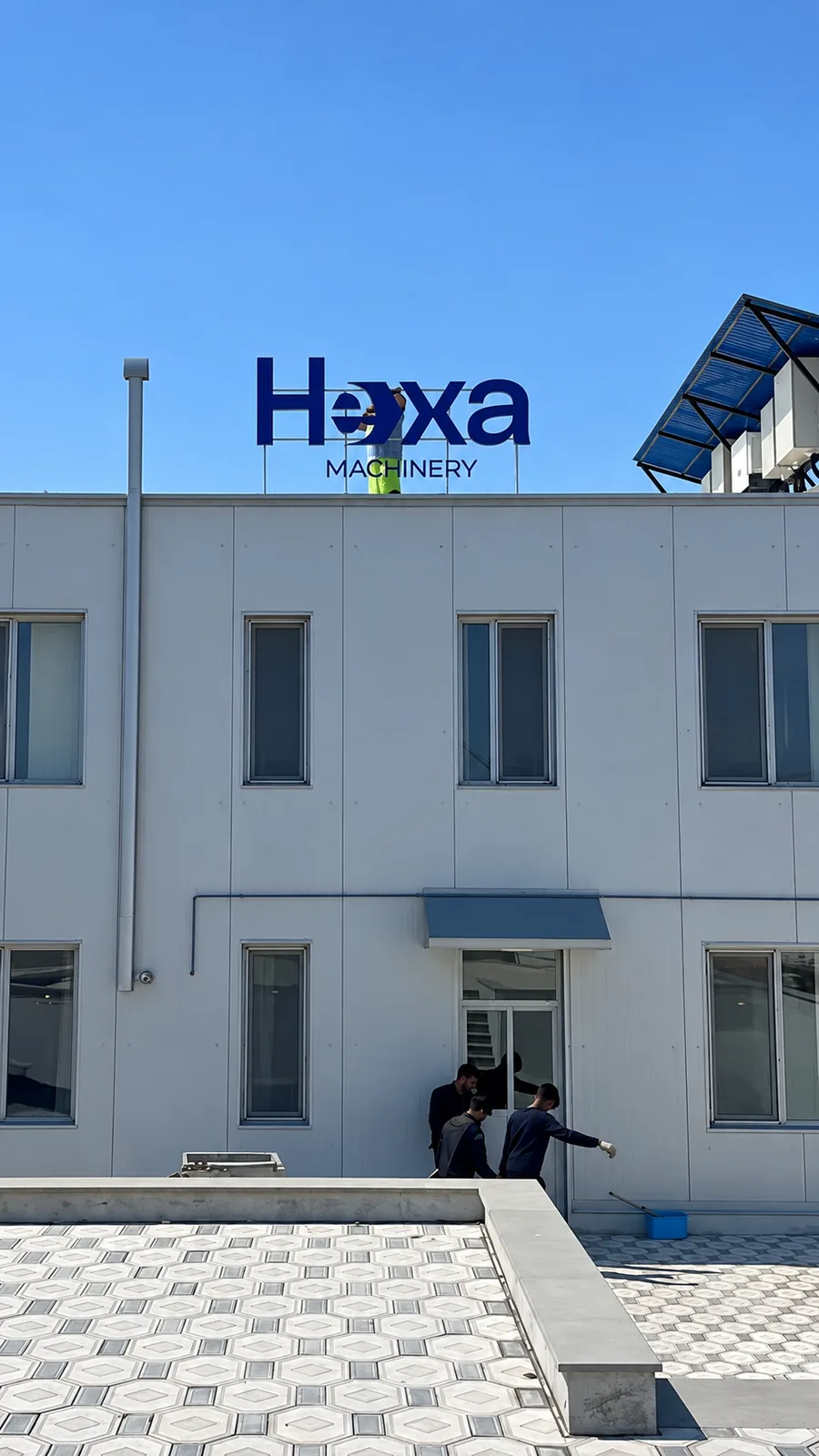
- Roof and freestanding signs suit buildings set back from the road.
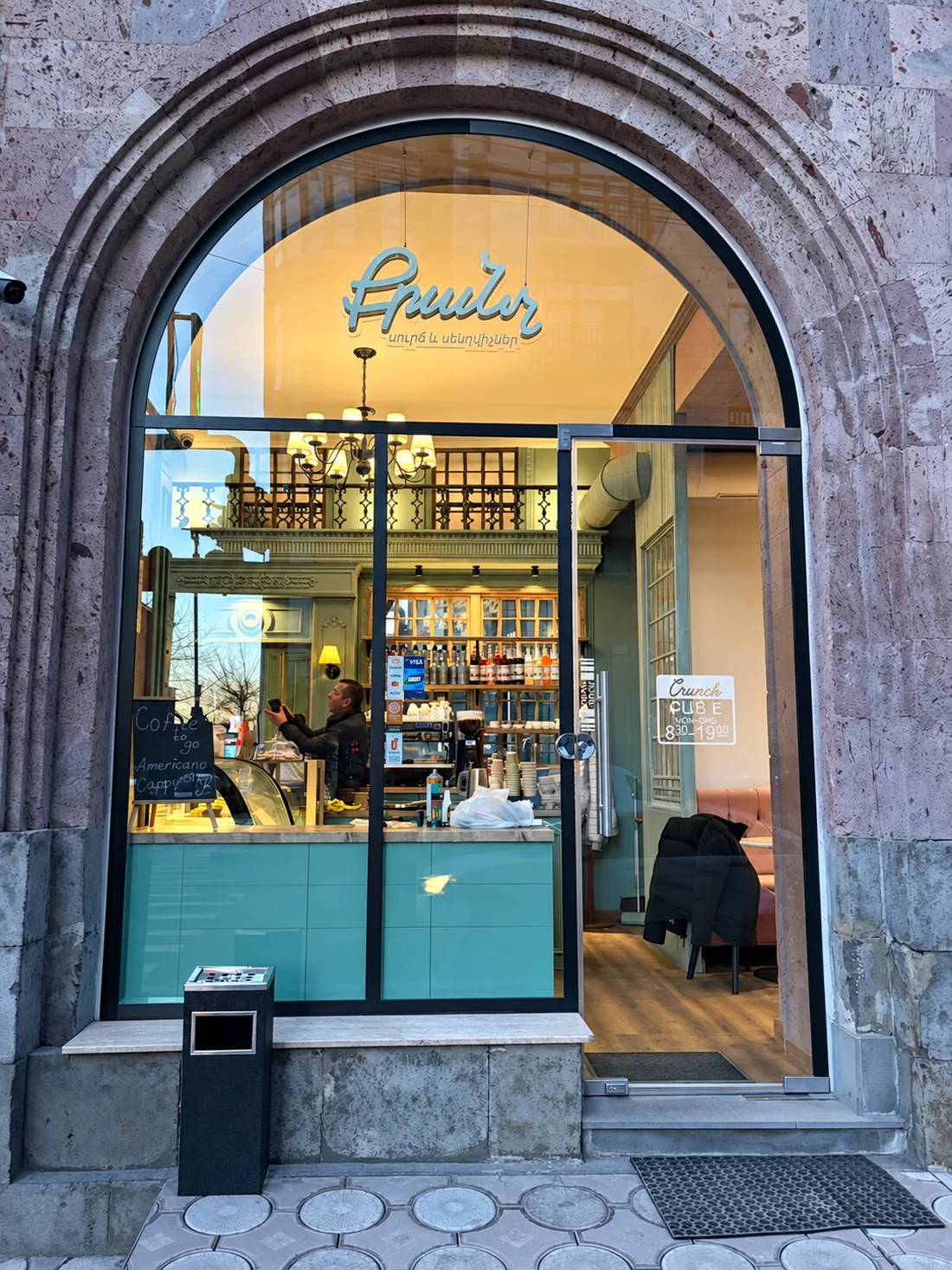
- Entrance details include door graphics, opening hours and the street number.
How do you choose the size and position of a facade sign?
Size follows viewing distance: people who see the facade from across a wide street need larger letters than people on the pavement next to it. The width of the facade, the length of the name and the architecture set the limits, so the sign usually goes where the building gives it a clear field, such as a fascia band, the wall above the door or the space between windows. A photo taken from where customers approach shows the sightlines and the neighbouring signs that the new one will stand beside.
Why plan the sign and the entrance together?
Planning them together makes the whole front read as one business. The sign tells people what the place is, and the entrance tells them where to go in. When the sign, door graphics, canopy and lighting share the same colours and lettering, the facade looks finished rather than crowded. Practical details also fit better: the doorway is lit in the evening, the opening hours are easy to find on the glass, and the shop window stays clear enough to see inside.
What affects the cost of a facade sign?
The cost depends on the size of the sign, the type of construction, the materials and whether it is lit. Flat panels, dimensional letters and lightboxes take different amounts of work, and a projecting sign needs a strong bracket and fixing. The height of the fixing, the wall material, access to the facade and any work on the entrance itself also change the scope. The cost can be discussed once the photos, dimensions and the parts you need are clear.
| Fascia sign | Projecting sign | Roof or freestanding sign | |
|---|---|---|---|
| Position | Band above the shopfront | Bracket on the wall | On the roof or its own post |
| Seen best from | The front and across the street | Along the pavement | Far away and from the road |
| Suits | Most shops and offices | Narrow and pedestrian streets | Buildings set back from the road |
| Main check | Space on the fascia | Wall strength and clearance | Structure and local rules |
What to discuss before starting
- An overall photograph of the facade and its dimensions
- The entrance position and views from the street
- Building requirements and placement approvals
Common questions
How big should the letters on a facade sign be?
It depends on the viewing distance, the proportions of the facade, the length of the name and any placement limits. Letters read from across a wide street need to be larger than letters seen from the pavement. A photo taken from where customers approach helps decide.
What is the difference between a fascia sign and a projecting sign?
A fascia sign lies flat along the wall above the shopfront and is read from the front or across the street. A projecting sign stands out from the wall on a bracket, so people walking along the pavement see it from the side. Many shops use both.
Can the facade sign and the entrance be designed together?
They can, and the result is usually better. The sign, door graphics, canopy and lighting can share the same colours and lettering, so the whole entrance reads as one. It also helps to place the opening hours and the street number where visitors look first.
Can existing facade signage be kept when a brand changes?
Sometimes it can. It depends on the condition of the old sign and whether its frame, size and lighting suit the new logo. Wide and close-up photos of the current sign help judge what can stay and what is better replaced.
Do I need permission for a facade sign?
Usually you do. Rules on size, position and lighting differ by municipality and sometimes by street or building, and the building owner's consent is often needed too. Check them before choosing the final size and before production starts.
Which facade sign suits a building with several businesses?
A shared layout usually works best: each business gets its own sign in an agreed band, size and position, so the facade stays orderly. The building owner or management often sets these rules, so ask for them before the design starts.
Which materials hold up best on a facade sign?
Composite panels, painted aluminium, stainless steel and acrylic are common outdoor choices because they cope with sun, rain and temperature changes. Printed vinyl film is easy to replace but usually fades sooner in strong sun. The right mix depends on the facade, the budget and how long the sign should stay.
Should a facade sign be illuminated?
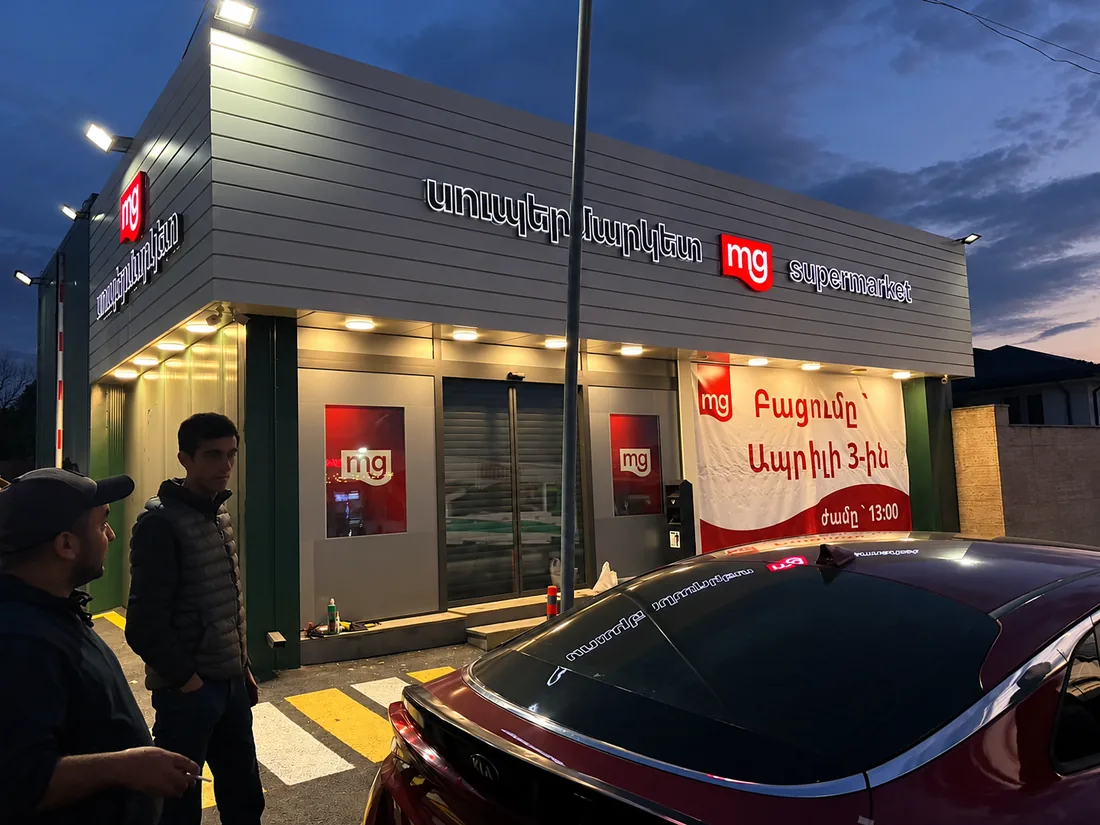
If customers come in the evening or the street is dark, usually yes. Light can be built into the letters, or the sign can be lit by small spotlights from above. On a bright street that people visit mainly by day, a well-contrasted unlit sign can be enough.
Can a facade sign show the name in Armenian and Latin letters?
It can, and many facades carry the name in two scripts. Usually one script leads and the other is smaller, so the sign stays easy to read. Some local rules set which language must appear and how large it must be, so check them before the design is final.
How do I keep a facade sign looking good?
Clean it regularly and check it now and then. Street dust and rain marks build up on faces and frames, and fixings and seals are worth checking after strong wind. If the sign is lit, a dark letter or flickering usually means a module or power supply needs replacing.
What photos of my facade should I take before calling CONTURA?
Take one straight-on photo of the whole facade, a wider view with the neighbouring buildings, a close-up of the wall where the sign will go, and one from where customers approach. Add approximate dimensions and, if possible, an evening photo.
What happens after I call CONTURA about a facade sign?
You describe the business, the building and what people should notice from the street. Based on your photos and dimensions, we discuss the sign type, size, placement, materials and lighting, and then agree on the scope of work and the next steps.
Let's make your
idea visible
Tell us what you have in mind. We'll talk through where to begin.