

Digital billboards
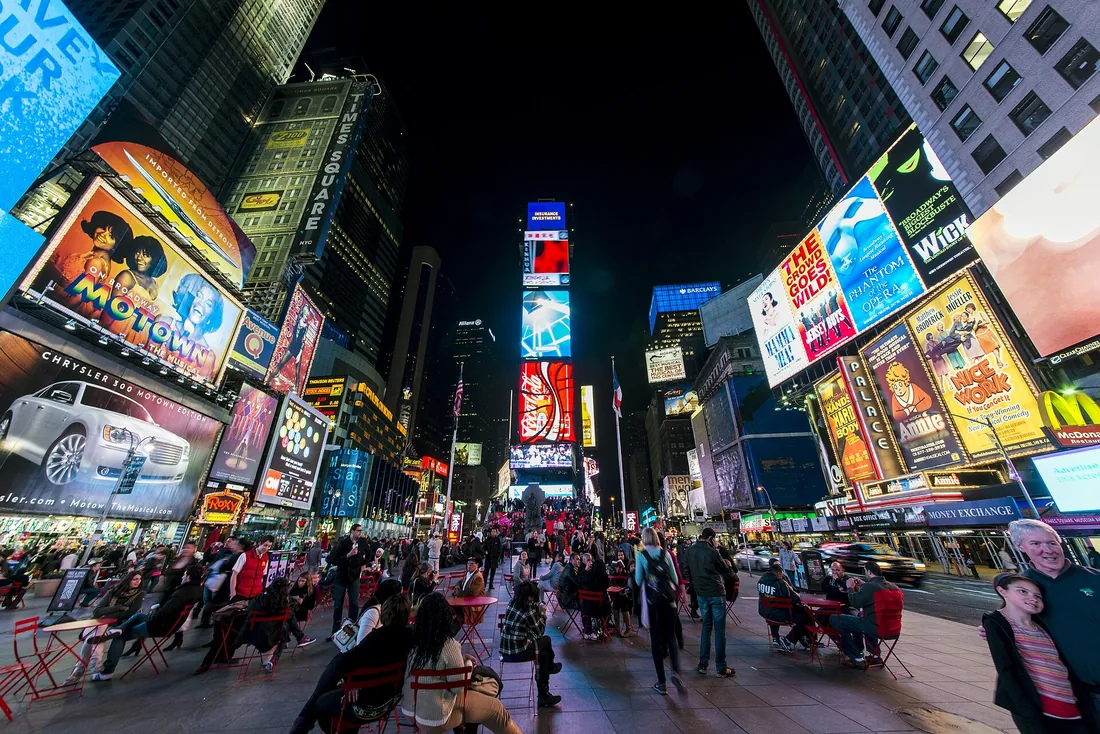 Format example

How to design for a digital billboard
A digital billboard is a large LED screen beside a road or in a busy public place that shows several advertisers' messages in a loop, each for a short slot. It is the right choice when you want to change the message by time of day, run several versions or skip printing. Call CONTURA on +374 91 120 240 to discuss your message and the frames.
Format options
Roadside digital screens and rotating static frames.
What to discuss
Ask about rotation, frame duration, brightness, position and content rules.
How does a digital billboard work?
A digital billboard works like a playlist: the operator loads still frames or short clips from several advertisers, and the screen plays them in a set order. Your message appears for its slot, gives way to the next advertiser and returns each time the loop repeats. The screen operator sets the slot length, the number of advertisers in the loop and the content rules. A driver or passer-by may catch only one frame, so every frame has to work on its own: one idea, a large headline and a recognisable brand. Brightness follows the daylight and is usually turned down at night.
What types of digital billboards are there?
Digital billboards differ mainly in where they stand and how close people are, which also decides how fine the screen's pixels need to be. Roadside screens are read from moving cars at a distance, so they need the simplest frames. Screens on squares and busy streets are seen from closer and for longer, so they can carry a little more detail. Some operators play only still frames, while others allow simple animation where the rules permit it.
- Roadside LED screens: large screens on main roads, read from a distance and at speed
- City LED screens: screens on squares, junctions and buildings, seen by drivers and pedestrians
- Rotating still frames: images that change in the loop without motion
- Animated frames or video: allowed on some screens and often restricted near roads
When is a digital billboard the right choice?
A digital billboard is the right choice when timing matters: a weekend offer, an event countdown, different messages for morning and evening, or several versions of one campaign. Changing content needs no new print, so a message can be updated or corrected during the campaign. It suits brands that can say one thing very simply. If one image should stay visible all day, or the message needs time to read, a printed format or a place where people wait may work better. Cost depends on your share of the loop, the location, the period and the number of screens.
How do I prepare frames for a digital billboard?
Start from the operator's specification: the screen's exact size in pixels, the file format and size limit, the slot length and whether motion is allowed. Design in RGB at that exact pixel size, because screens do not use print resolution or CMYK. Use bold, simple type, since thin strokes break up on screens with coarse pixels, and keep the contrast strong. Check each frame as a small preview seen from a distance, and prepare a darker night version if the operator schedules frames by time of day.
- Exact pixel size and proportions from the operator
- Still frames as JPG or PNG, clips as MP4 if motion is allowed
- One idea per frame, with the brand on every frame
- Large, bold type and strong contrast
- Separate day and night versions where the schedule allows
| Digital billboard | Printed panel | |
|---|---|---|
| Your message | Shares the screen in a loop | Shown alone, all the time |
| Changing it | Upload a new file | Print and put up a new poster |
| What you supply | RGB files at the screen's pixel size | CMYK print files with bleed |
| After dark | Lit, dimmed at night | Visible only if lit |
| Best for | Timely offers and several versions | One steady message |
Confirm the specific format and placement options with CONTURA.
A few useful answers
Should I choose a digital billboard or a printed panel?
Choose a digital billboard when you want to change messages or run several versions, and a printed panel when one message should be visible all the time. A digital screen is shared with other advertisers in a loop, while a printed panel shows only your poster but needs a new print for every change.
How long is a message shown on a digital billboard?
Each message gets a short slot in a loop shared with other advertisers. The operator sets the slot length, the length of the loop and how many advertisers share it, so ask for these figures before planning the frames.
Can I change a digital billboard message during the day?
Changing the message by time of day is one of the main strengths of digital screens. You can plan different frames for morning and evening or for weekdays and weekends, and send a new file during the campaign, as long as the operator's scheduling allows it.
Can a digital billboard show video or animation?
That depends on the screen and the operator's rules: some allow animation or video, others accept only still frames. Near roads, motion is often restricted for safety, because moving images can distract drivers.
What file format and size does a digital billboard need?
Each screen has its own requirements, usually still images such as JPG or PNG and, where motion is allowed, video such as MP4. Get the exact pixel size, file size limit and colour settings from the operator before the frames are designed.
How much text should a digital billboard frame have?
As little as possible: a short headline, the brand and one simple next step, such as a name to look up or a place to visit. A long phone number or web address is hard to catch in one passing look, so make it very large or leave it out.
What affects the cost of a digital billboard campaign?
The main factors are the screen's location and traffic, your share of the loop, the time of day, the length of the campaign and the number of screens. Producing several frames or animated versions also adds design work to the total.
How does a digital billboard look at night?
At night a screen is much brighter than its surroundings, so operators dim it, and large white areas can still glare. A dark background with light, bold text usually reads better after dark, so ask whether the operator can play a separate night version.
What rules apply to digital billboard content?
The operator has its own content rules, and municipal rules often limit motion, brightness and certain topics near roads. Requirements differ by municipality and by screen, so check them before the frames go into production.
Can a digital billboard frame mix Armenian and Latin lettering?
It can, but one script should lead and the other should be smaller, so the frame still reads in one look. Use a typeface that covers both scripts in the same weight, and test Armenian text at the screen's real pixel size, where fine details can blur.
What if a digital billboard screen fails during my campaign?
Screens are run and maintained by their operator, so outages are covered by the operator's terms. Before booking, ask how faults are reported, how soon a screen is repaired and whether missed plays are made up.
What happens after I call CONTURA about a digital billboard?
CONTURA talks through your goal, your message and the kind of screen you have in mind, then explains what to prepare for the frames. Screen availability, slots and file rules come from the screen operator and are confirmed with them.
Related formats
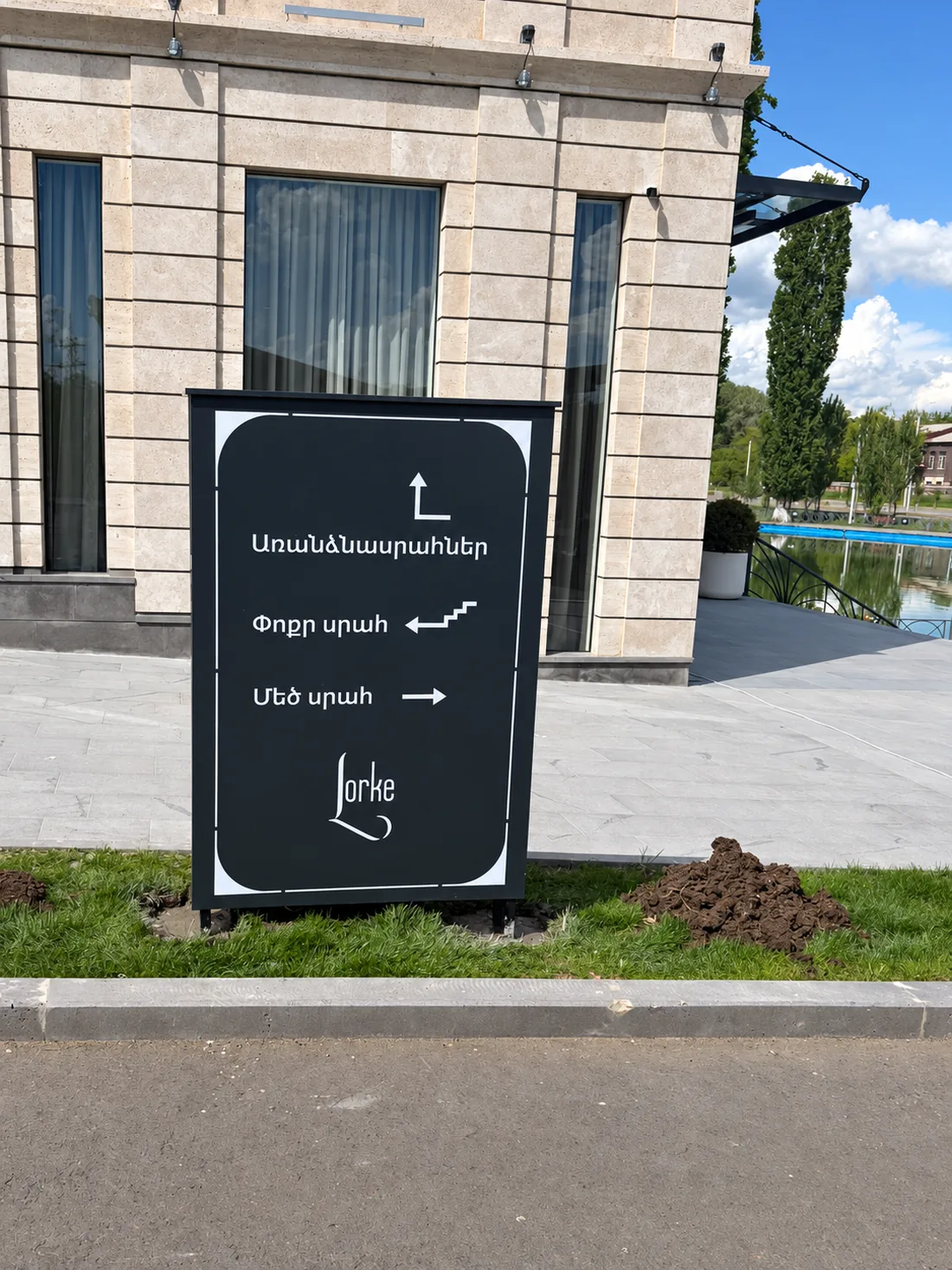 Posters and city panelsDeliver a local message at street and neighbourhood scale.
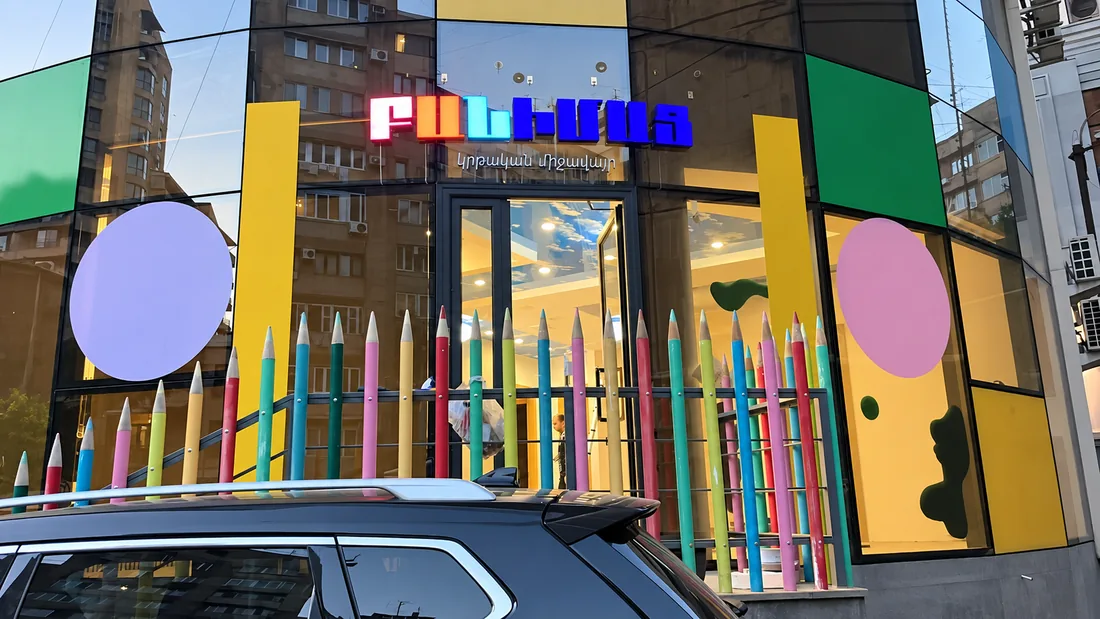 Wallscapes and building wrapsTurn a large building surface into a city-scale visual message.
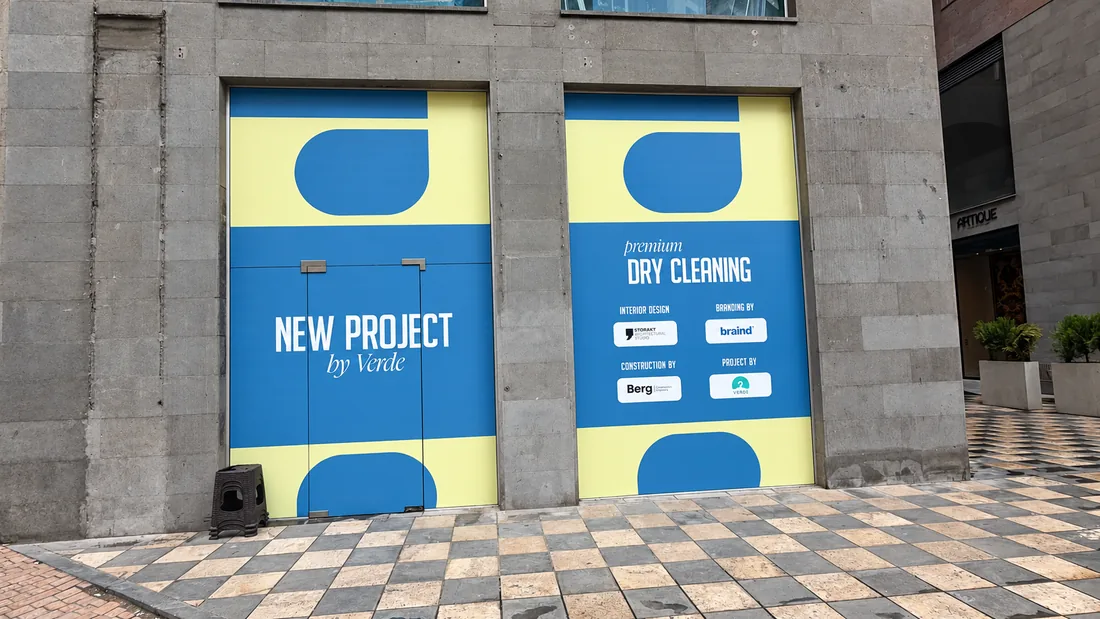 Construction hoardingsTurn a temporary boundary into a clear information and brand surface.
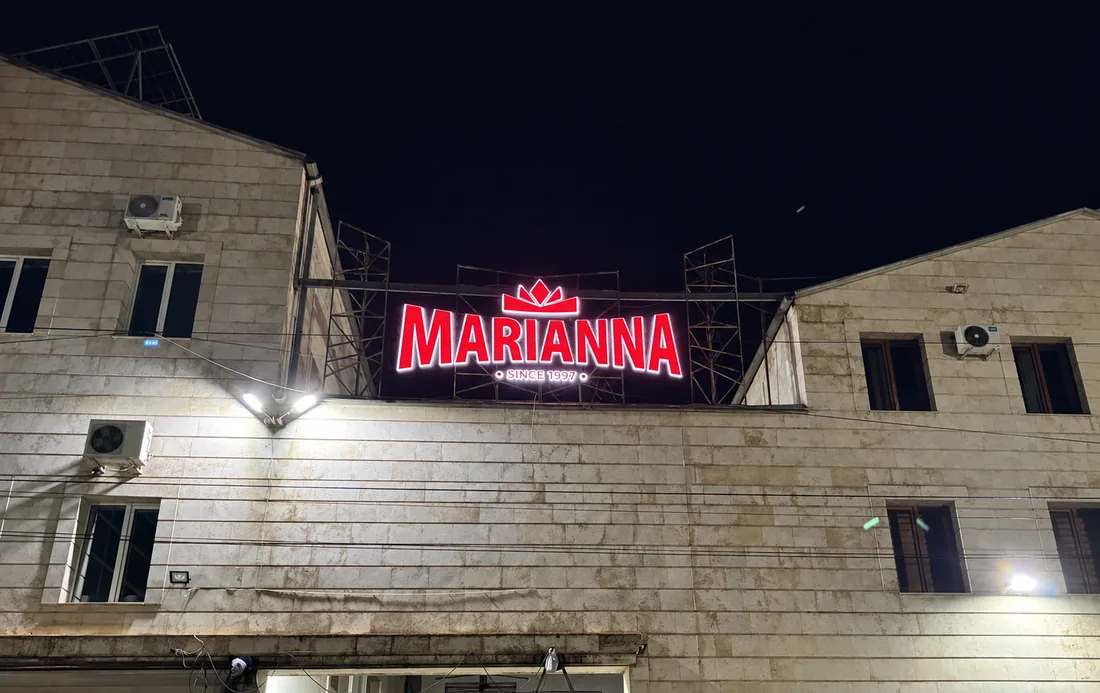 SpectacularsGive a single public message a distinctive large-scale form.
Let's make your
idea visible
Tell us what you have in mind. We'll talk through where to begin.