

Interior branding
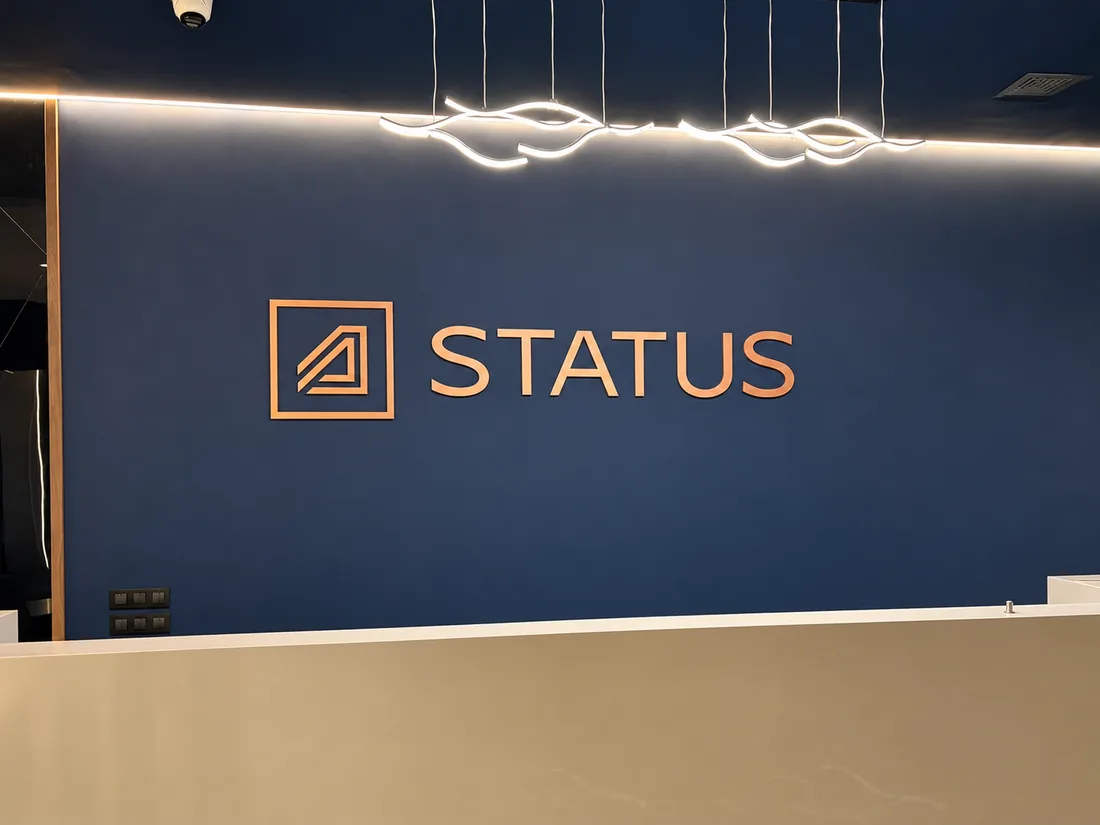
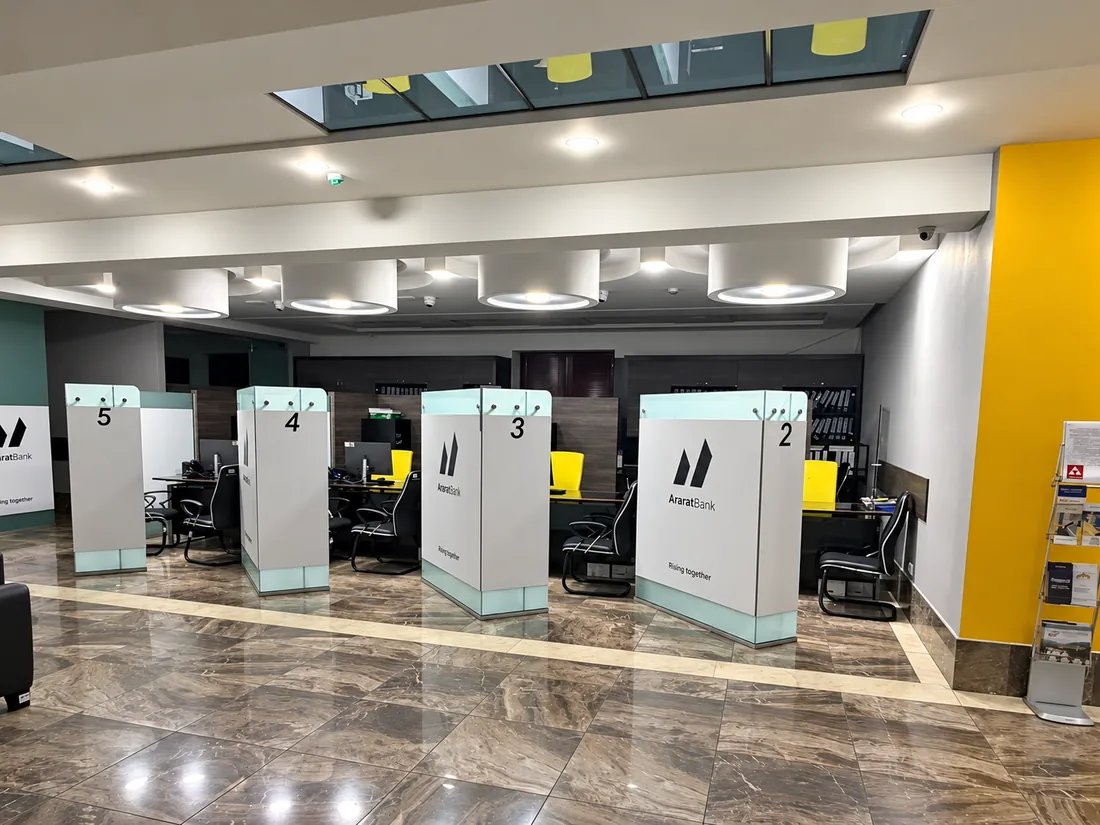
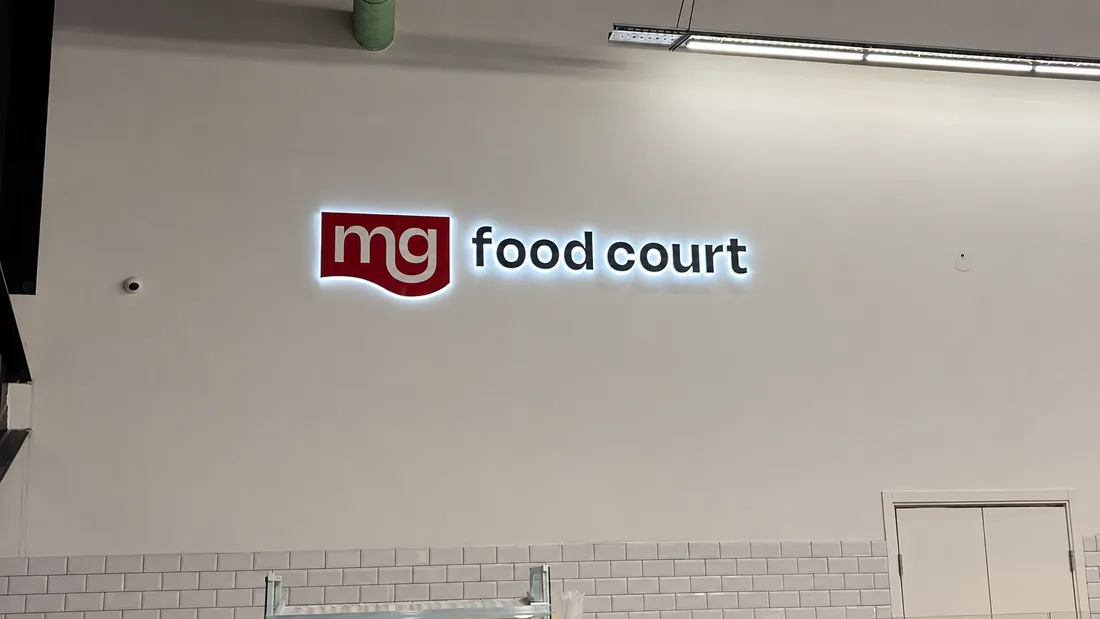
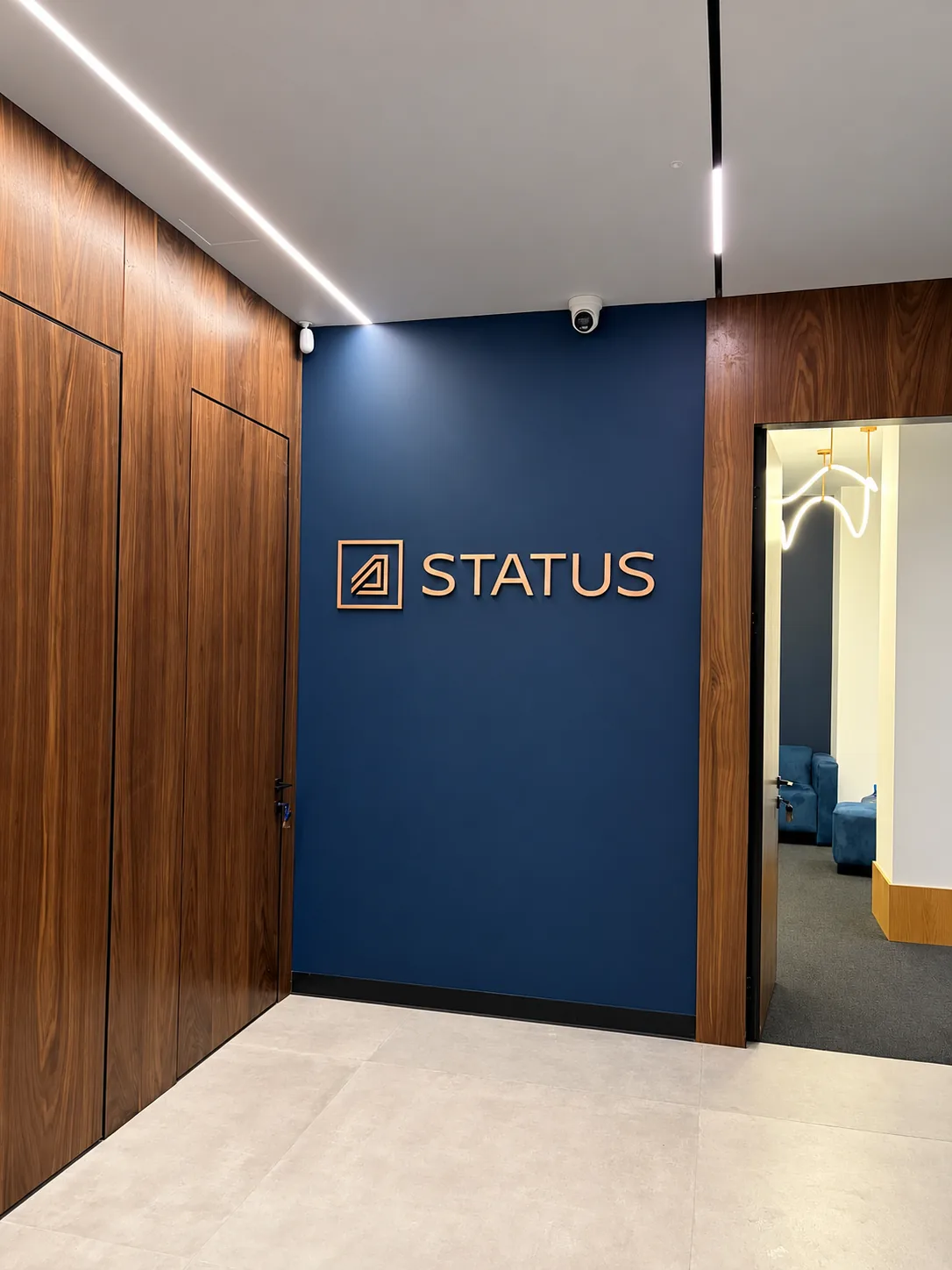
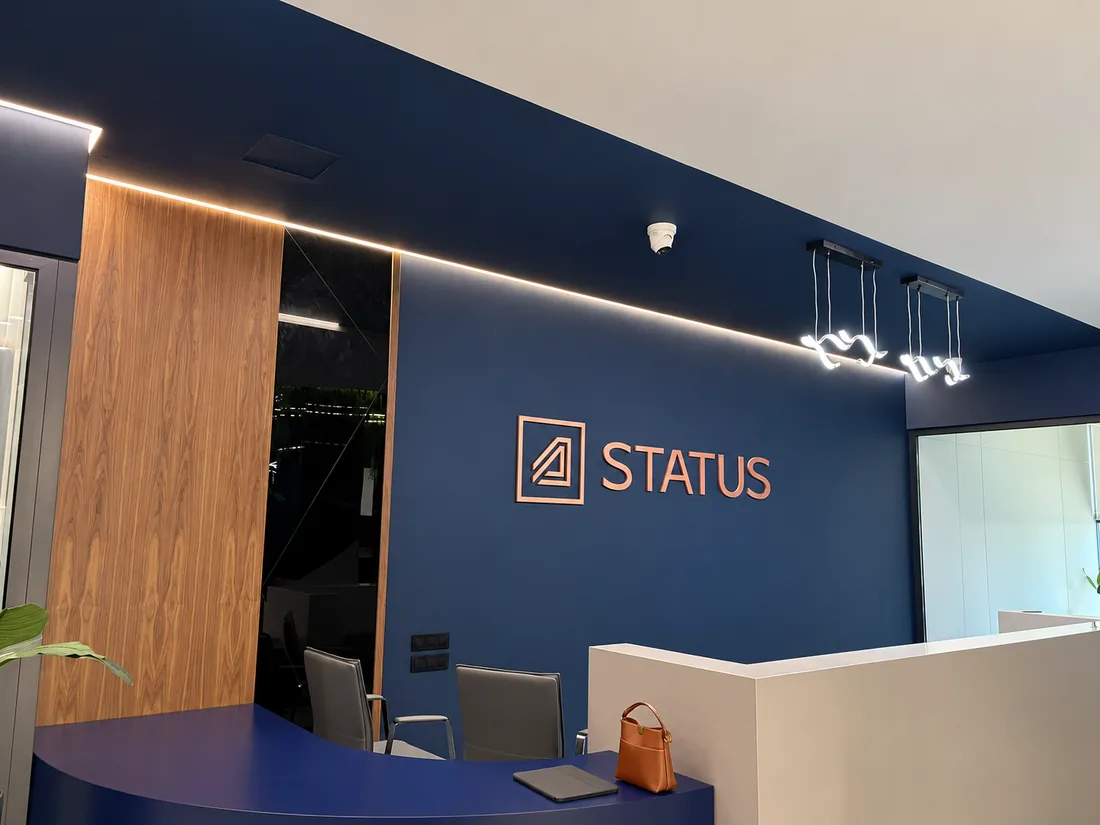
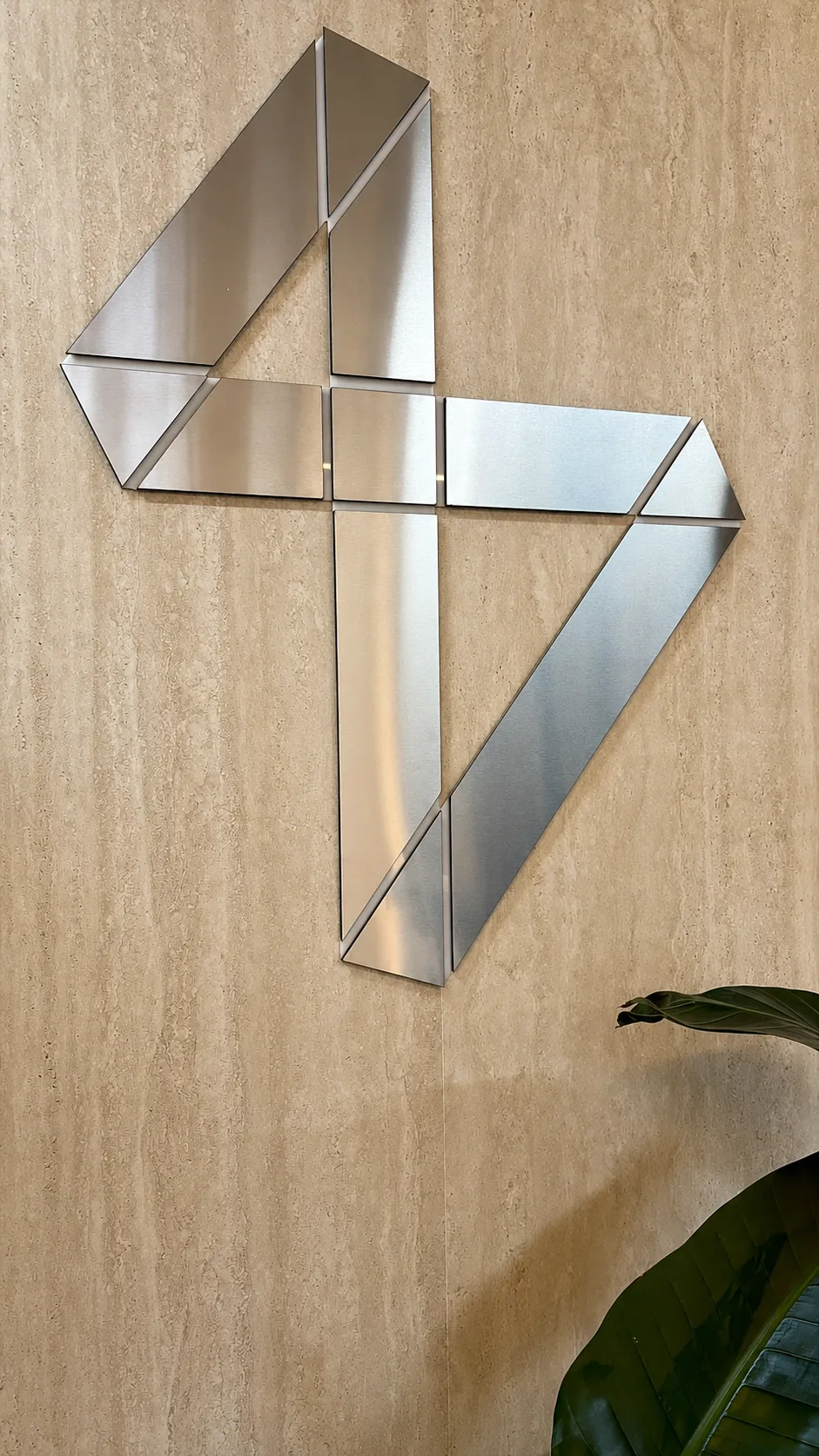
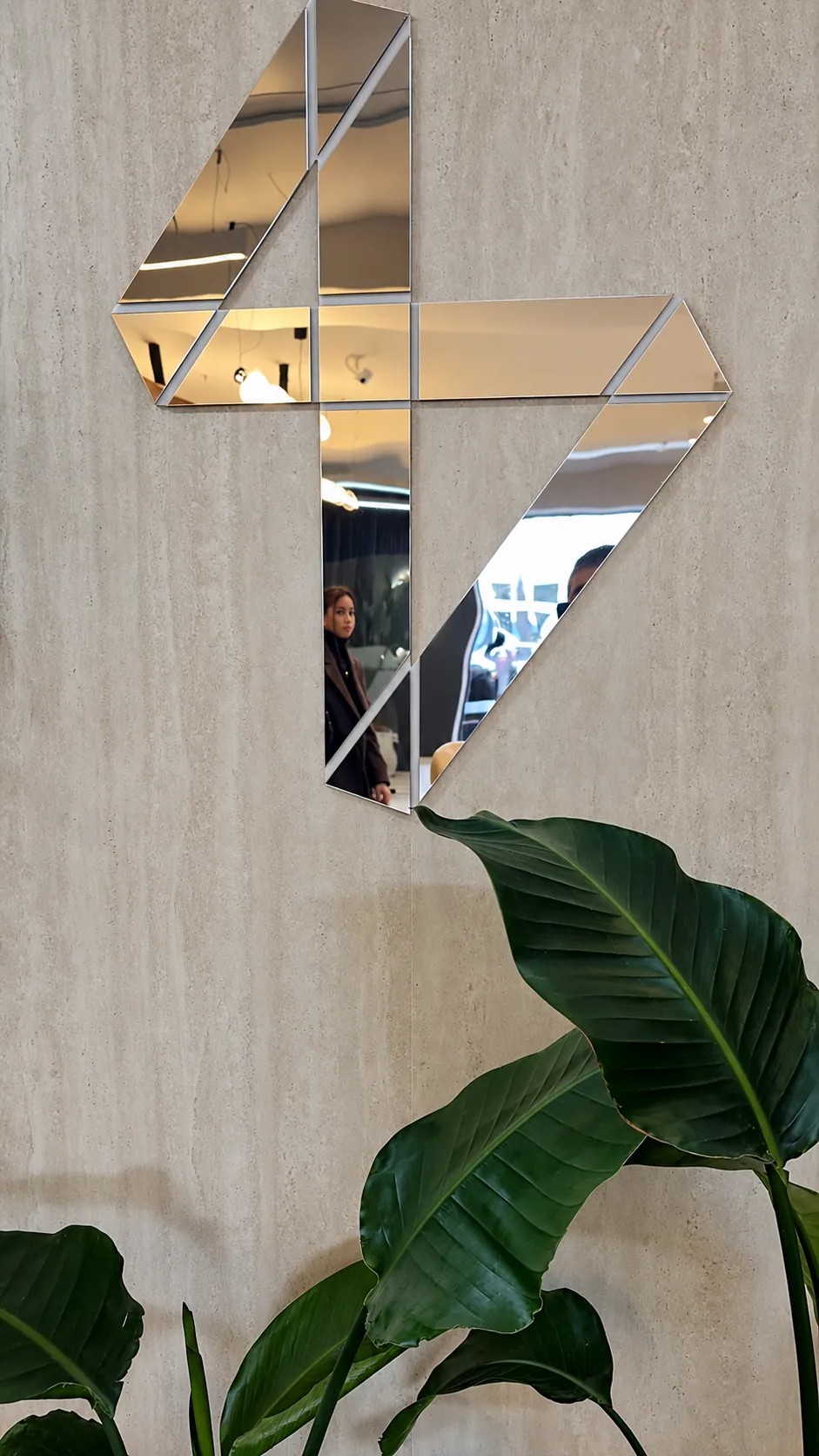
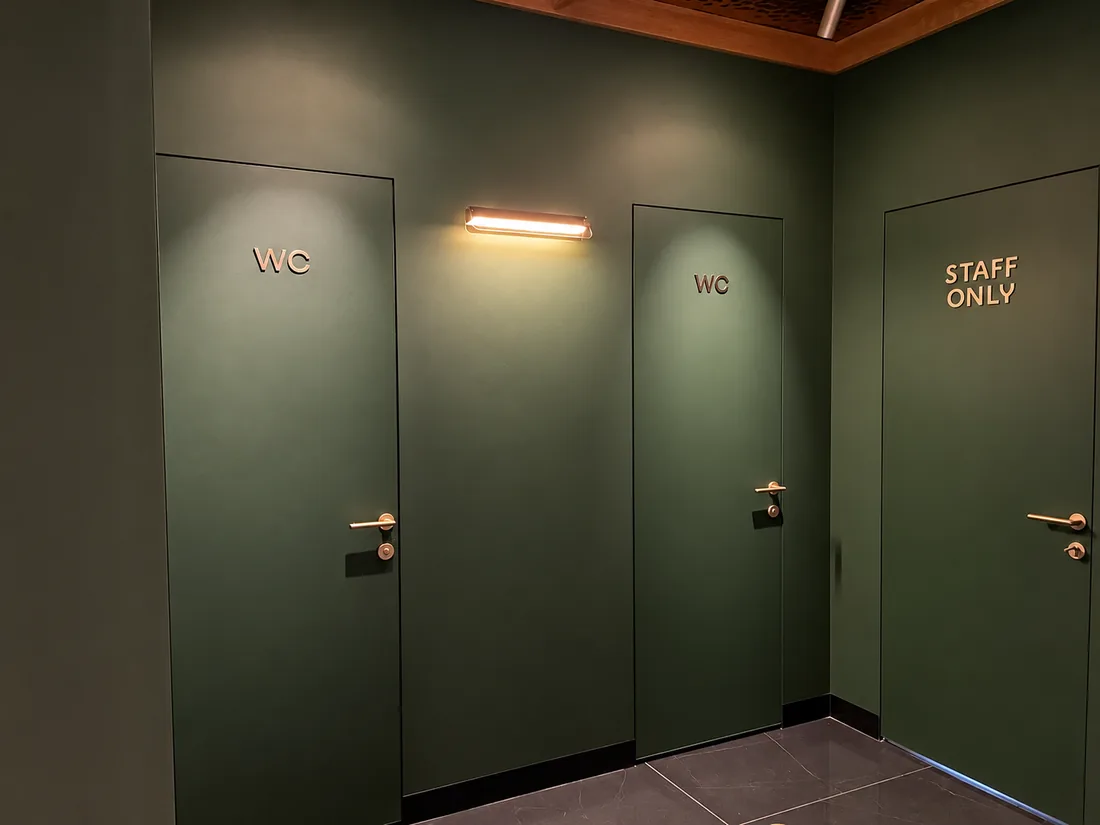
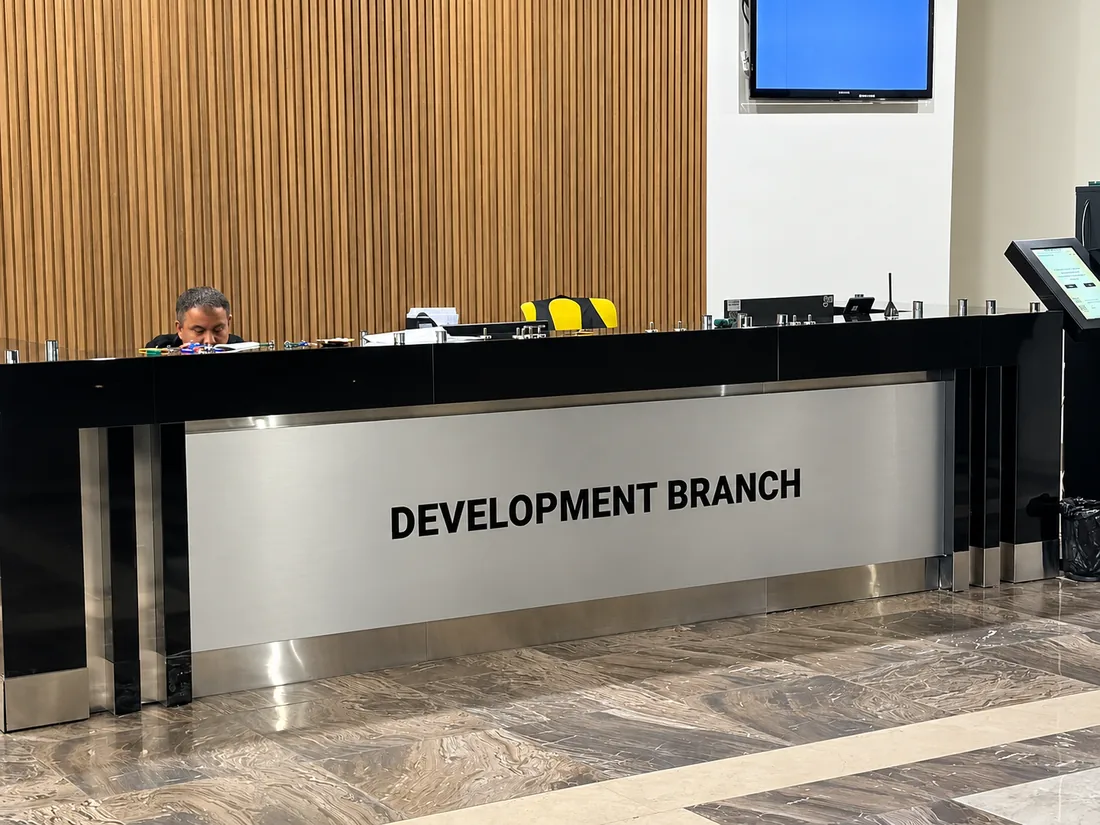
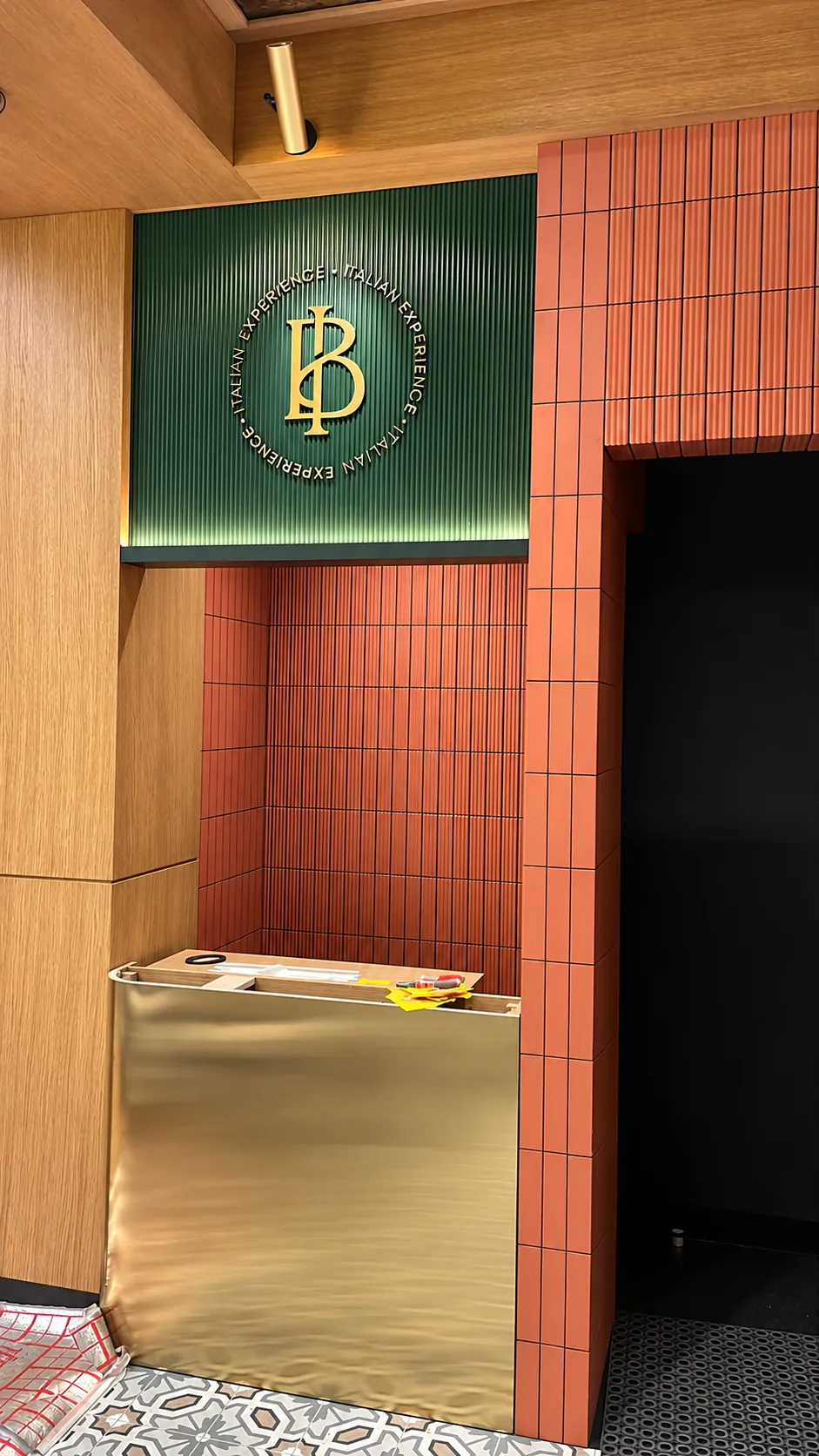
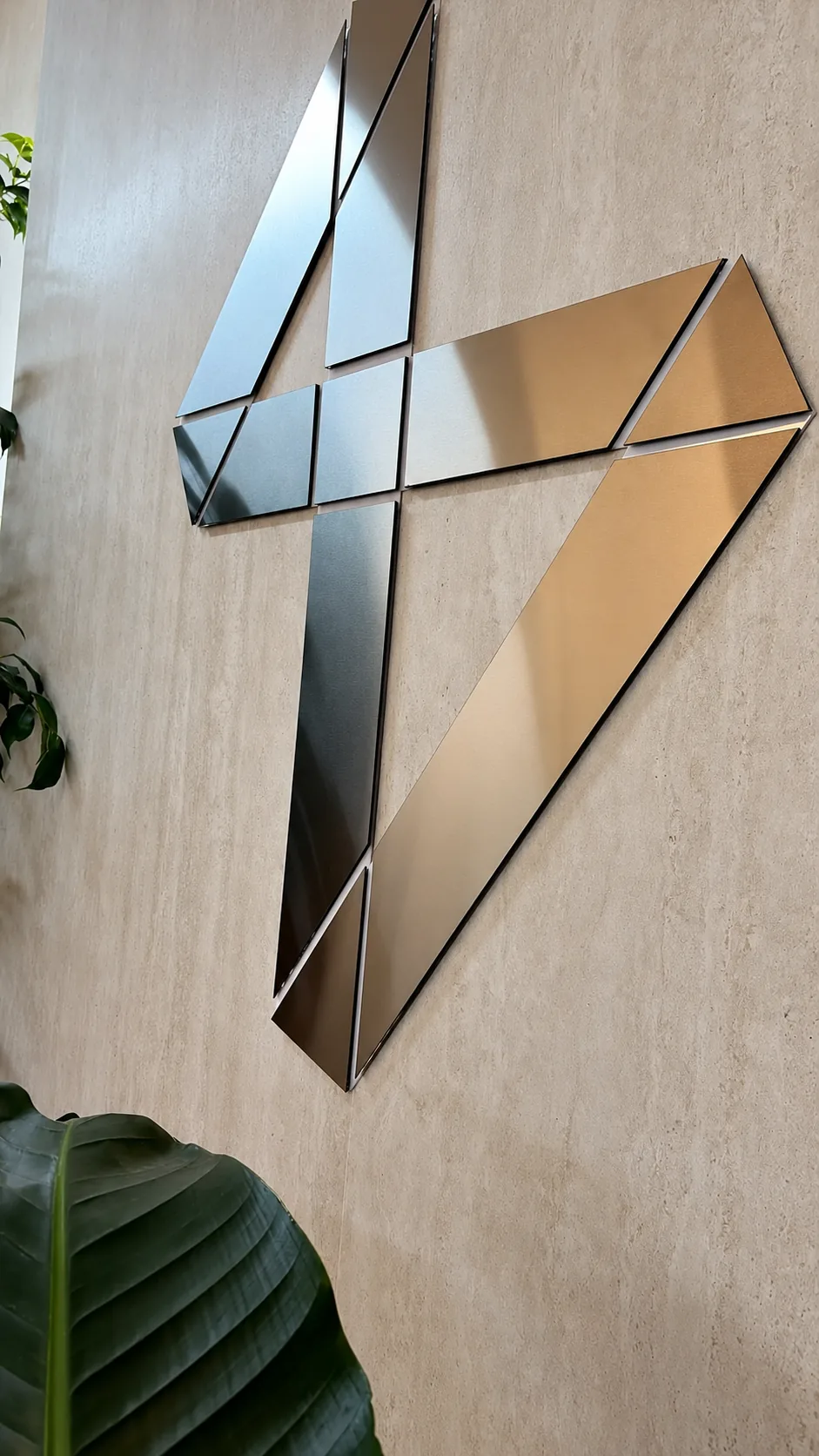
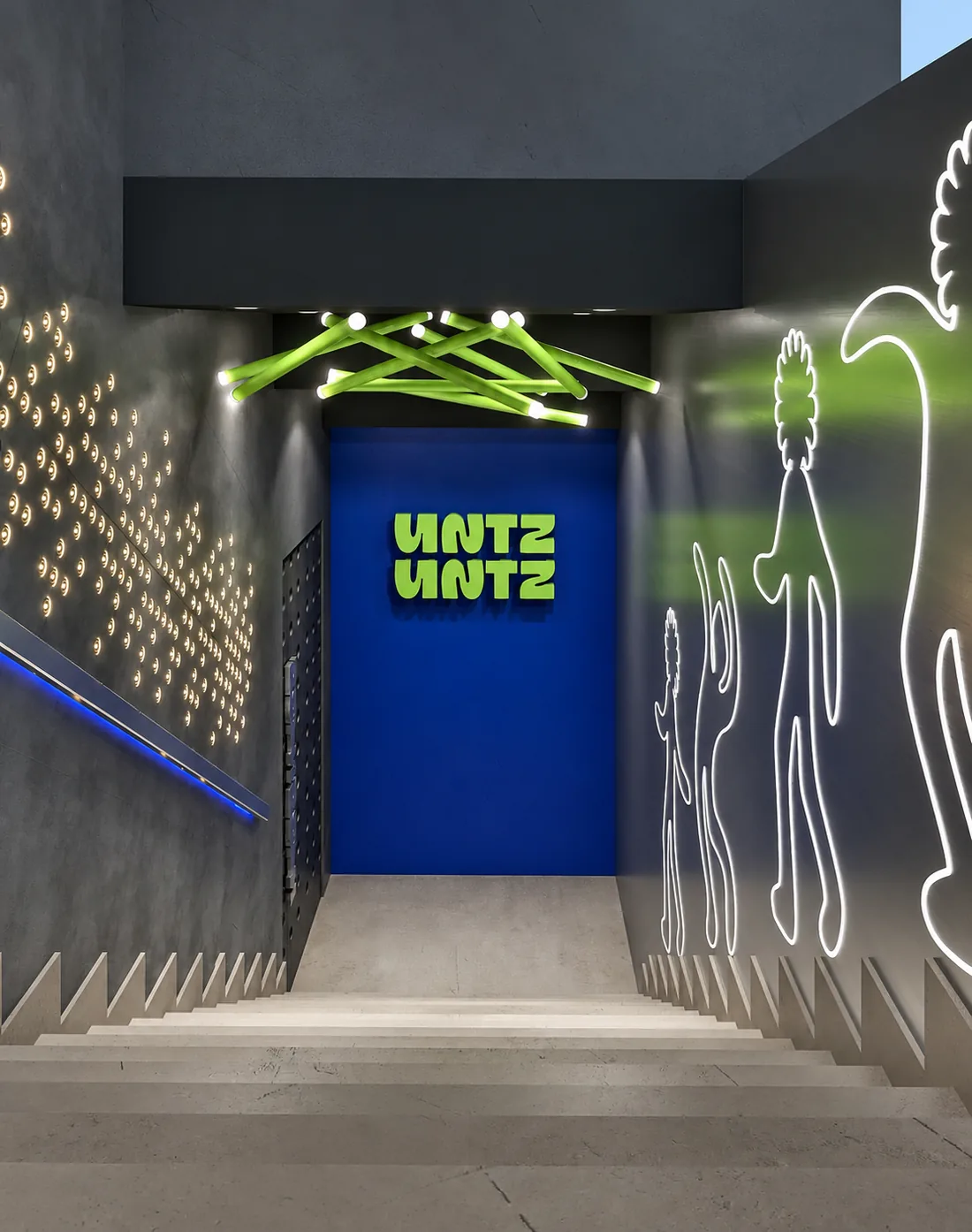
Interior branding and wayfinding signs that guide visitors
Interior branding is the set of reception logos, glass graphics and wayfinding signs that make a space recognisably yours and help visitors find their way inside. It is the right choice when people come to you for the first time and need to find reception, a room or a department without asking. Call CONTURA to talk through your space, the visitor routes and suitable materials.
What the project can include
How does interior wayfinding work?
Wayfinding works by placing the right sign at each point where a visitor has to decide where to go. Planning starts at the entrance and follows the route to reception, meeting rooms, offices or service points. Directional signs with arrows stand at turns, stairs and lift lobbies, identification signs name each room beside its door, and an information board near the entrance shows what is on each floor. The fewer the words and the more consistent the style, the faster people read them. Brand elements go where visitors wait and look around, such as the reception wall.
What can interior branding include?
Interior branding usually combines several elements that share one logo version, one set of colours and one lettering style. A reception logo is often built from dimensional letters in acrylic, metal or composite panel, sometimes with LED halo lighting behind them. Glass doors and partitions carry frosted or printed vinyl film, which adds the brand and privacy while keeping daylight. Wayfinding covers room names, department labels, floor signs and arrows. Glass doors also need visible markings at eye level so that nobody walks into them.
- A reception logo on the wall visitors see first
- Frosted or printed film on glass doors and partitions
- Directional signs at turns, stairs and lifts
- Room, department and floor signs
- An information board near the entrance
Where does interior branding make the most difference?
Interior branding matters most where visitors arrive for the first time and have to find someone or something quickly. Offices, clinics, showrooms, training centres and business centres with several floors or tenants are typical examples. Open-plan offices with glass walls gain twice, because film adds privacy and the brand on the same surface. Shared spaces such as food courts need clear signs that stand out among their neighbours. In a small office, a reception logo and a few door signs are often enough.
How do you choose materials, and what drives the cost?
Materials are chosen to match the brand, the wall and the light in the room. Interior signs do not face sun or rain, so acrylic, metal, composite panel and vinyl film all work, and a matte finish reduces glare under office lighting. The cost depends on the number of signs, their sizes and materials, whether the logo is lit, how much glass is covered and what the signs are fixed to. Modular door signs with replaceable inserts are easier and cheaper to update when teams move.
| Main job | Typical materials | Where it goes | |
|---|---|---|---|
| Reception logo | Shows whose space it is | Acrylic, metal, composite panel | The wall behind the desk |
| Glass graphics | Adds brand and privacy, keeps light | Frosted or printed vinyl film | Glass doors and partitions |
| Directional signs | Point the way | Acrylic, composite panel, film | Turns, stairs, lift lobbies |
| Room and door signs | Name each room | Plates with replaceable inserts | Beside doors, at eye level |
What to discuss before starting
- Photographs or a floor plan of the space
- The main routes visitors take
- The logo, required languages and wording
Common questions
What is wayfinding signage in an office or public building?
Wayfinding signage is the system of signs that helps people find their way inside a building: directional arrows, room and floor signs, and markers for service points. Good wayfinding keeps one style throughout and shows each piece of information at the moment it is needed.
Which material works best for a reception logo?
No single material is best, because the choice follows the brand, the wall and the lighting. Brushed metal looks solid and calm, acrylic carries brand colours and light well, and composite panel suits flat cut-out logos. Dimensional letters stand out more than a flat print because their edges catch the light.
Can glass partitions be branded without losing daylight?
Glass partitions can carry a logo or a pattern and still let light through. Frosted and printed films show the brand while the room stays bright, and the share of clear and covered glass is chosen for the privacy you need. A frosted band at eye level is a common compromise.
How do I make reception branding, glass graphics and signs look consistent?
Use one version of the logo, one set of colours and one lettering style on every element. Materials can vary between the reception wall, the glass and the door signs, but repeating these three things connects them. A short style sheet with sizes and colours helps when signs are added later.
Do interior signs have to match the facade sign?
Interior signs should share the facade sign's name, colours and lettering style, while their materials and sizes can differ. Indoor letters are usually smaller and lighter, and they need no weather protection. Keeping the shared elements makes the brand feel the same from the street to the reception desk.
Can wayfinding signs be in Armenian, Russian and English at once?
Wayfinding signs can carry several languages if the languages and their order are agreed at the start. Each version needs enough space to stay readable, so long room names may need a wider sign. A typeface with matching Armenian, Latin and Cyrillic letters keeps all versions in one style, and arrows or pictograms reduce the text.
Should a reception logo be lit?
A reception logo does not have to be lit, but lighting helps in lobbies with little daylight and in offices that stay open after dark. Halo lighting, with LEDs hidden behind the letters, draws a soft outline on the wall and avoids glare. It needs a power point near the wall, which is easier to plan before the finishing works.
What should I prepare before ordering interior and wayfinding signs?
Prepare photos or a floor plan of the space, the main routes visitors take, and a list of the rooms and departments that need signs. Add the logo as a vector file, the brand colours, the required languages and the exact wording. Photos of the walls and glass show what the signs will be fixed to.
What affects the cost of interior branding and wayfinding?
The cost depends mainly on the number of signs, their sizes and the materials. Lighting for the reception logo, the share of glass covered with film and the complexity of the logo add to it. Wall types and the way the signs are fixed also matter, so photos of the space help when you discuss the budget.
How are interior signs and glass films cleaned and updated?
Interior signs need only gentle care: a soft cloth and a mild, non-abrasive cleaner, because abrasives scratch acrylic and film. Vinyl film on glass can usually be removed and replaced when the layout or the branding changes. Door signs with replaceable inserts let you change a room name without replacing the whole sign.
Do interior signs and glass graphics need any approval?
Signs inside your own space usually need only the consent of the building owner or the business centre's management. Graphics visible from the street can fall under municipal rules, which differ by municipality. Safety and exit signs follow their own requirements, so check all of this before production.
What happens after I call CONTURA about interior branding?
You describe the space, the visitors and the rooms or areas that need signs, then share photos or a floor plan. CONTURA discusses the options with you: which elements to include, the materials, the sizes and the placement. Together you agree on the scope of work and the next steps.
Let's make your
idea visible
Tell us what you have in mind. We'll talk through where to begin.