

Window graphics
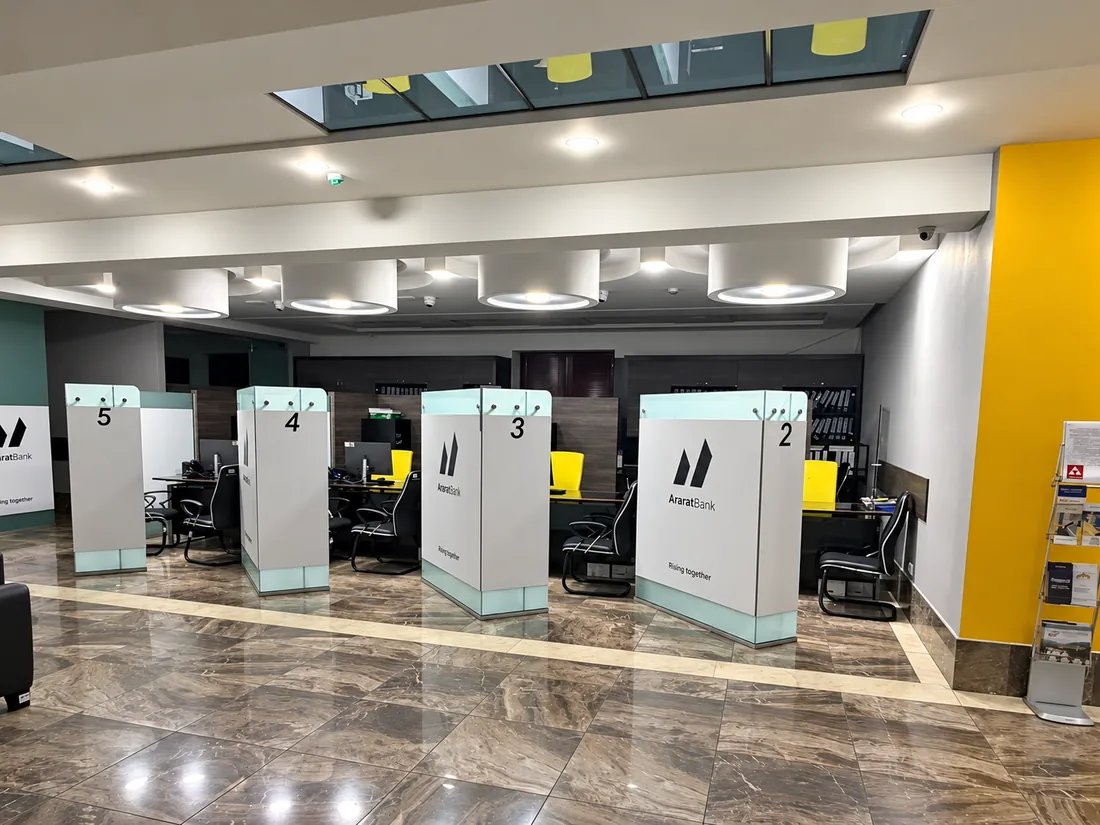
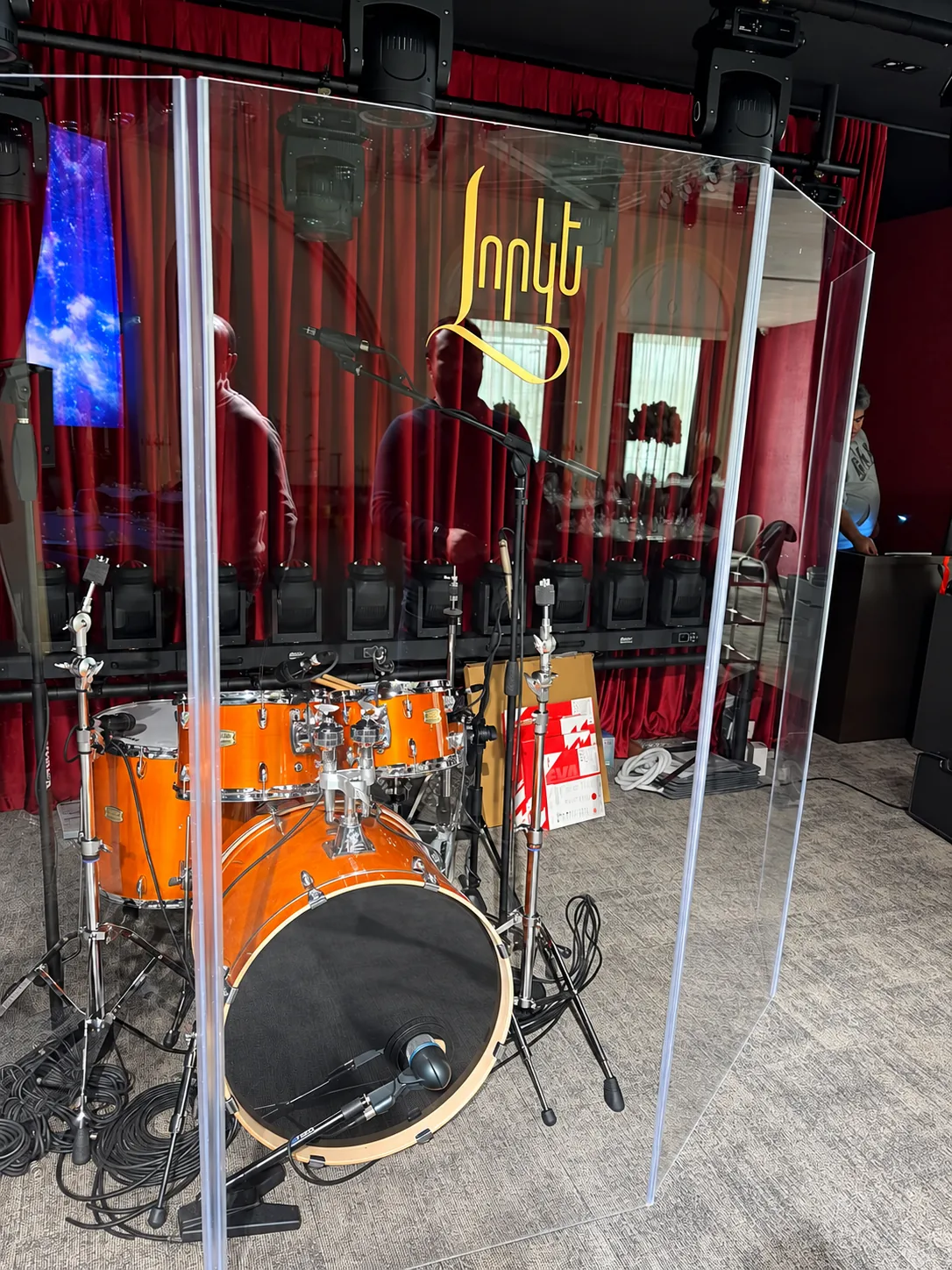
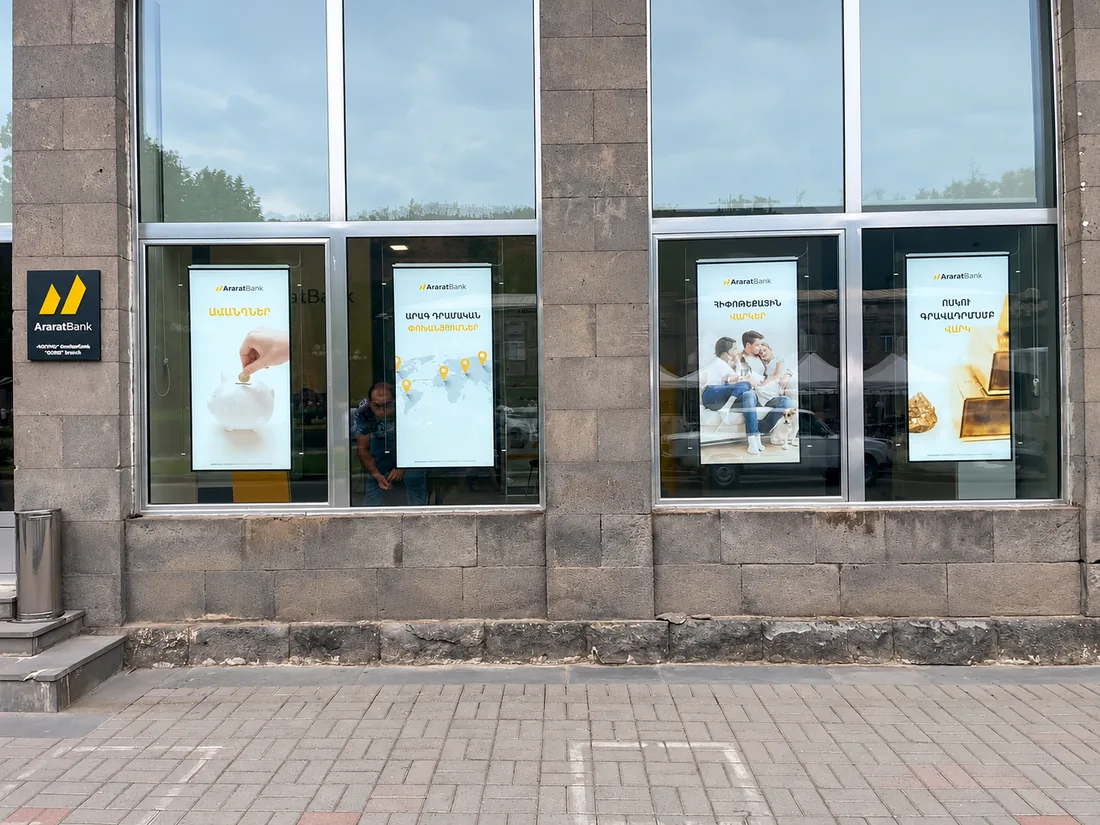
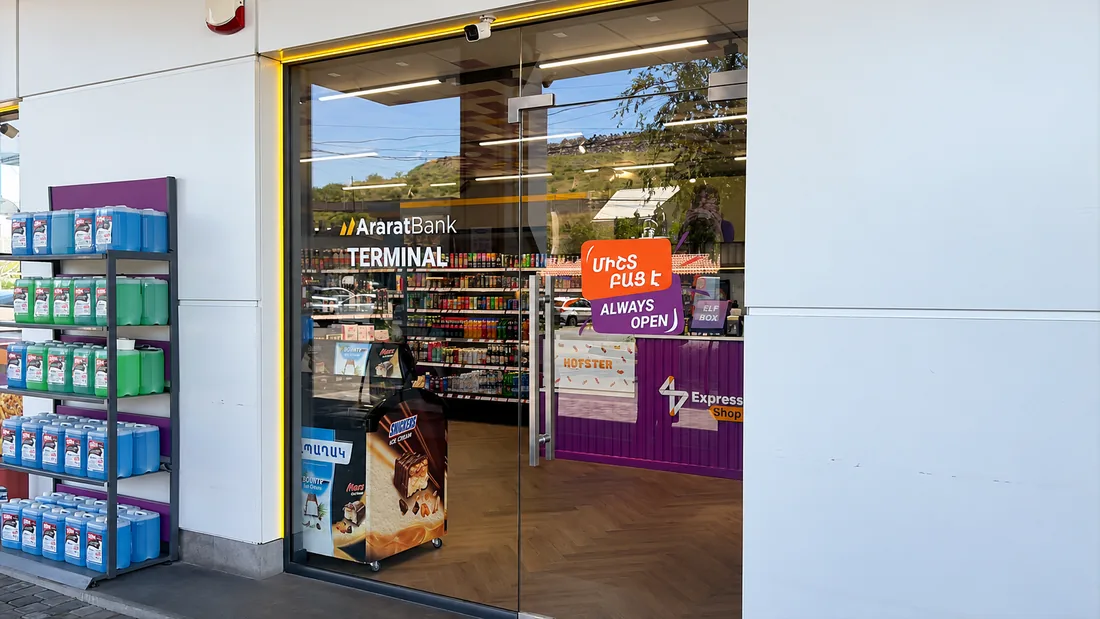
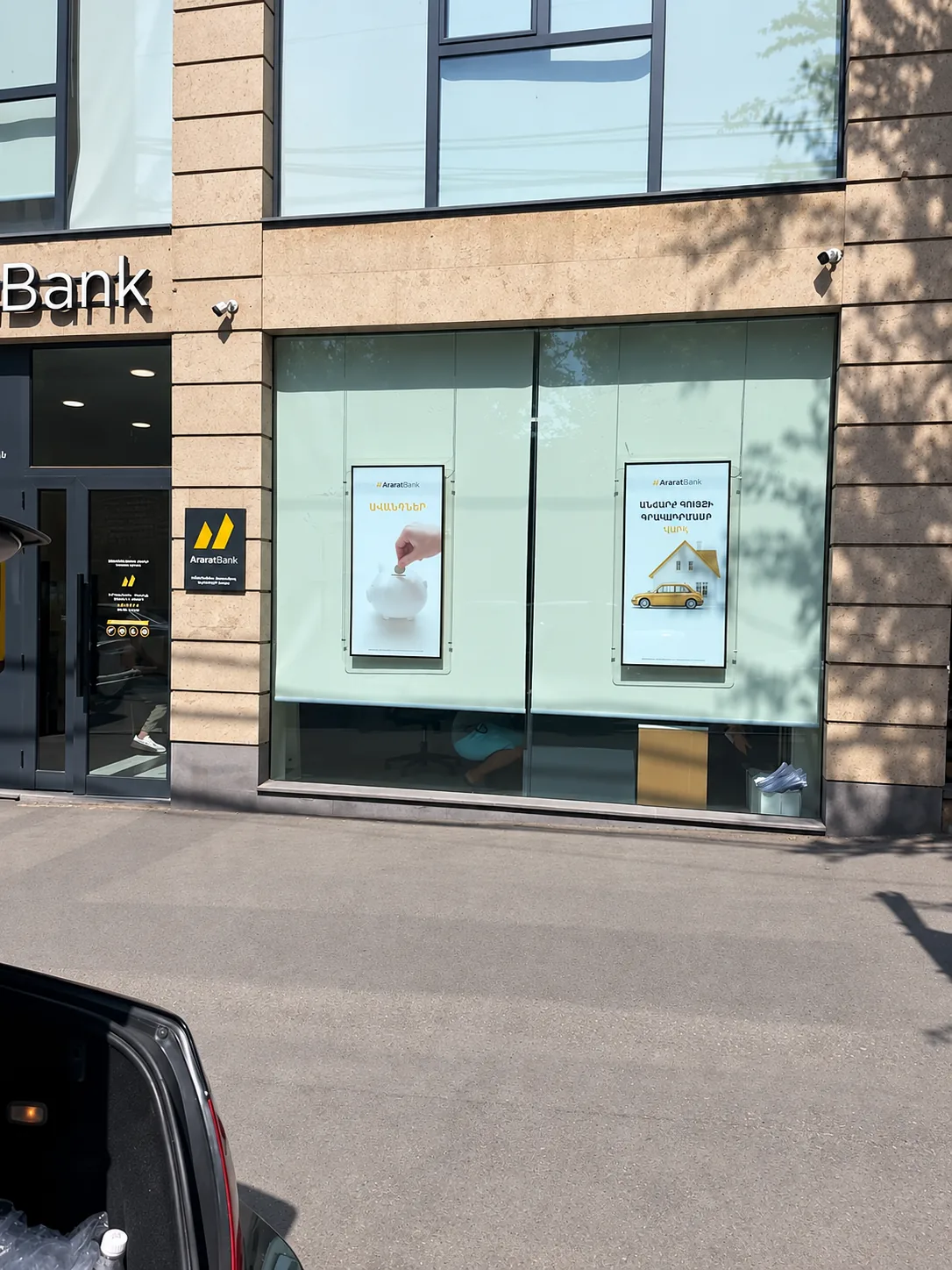
How window graphics work on shop windows and glass
Window graphics are films applied to glass, such as cut lettering, printed images, frosted film or perforated film. They suit shop windows, glass doors and office partitions where you want to show a name, an offer or opening hours while keeping some light and view. Each film type changes how much of the interior stays visible. Call CONTURA to discuss your glass and what it should say.
Format options
Applied graphics, clear films and translucent images.
What to discuss
Check reflections, door markings, legibility through the day and cleaning requirements.
How do window graphics work?
Window graphics work in two directions at once. From the street they show your name, offer or opening hours, and from inside they decide how much daylight and view remain. The main design decision is the balance between clear and covered areas. Glass also changes with the time of day: in daylight it reflects the street and a darker interior hides behind it, while in the evening a lit interior shows through every clear area. Text needs enough size and contrast to read through reflections, and the layout should still make sense when the room behind it is lit.
Where do window graphics work best?
Window graphics work best on glass that people pass close by or walk up to. On a shop window or a cafe front they carry the name, the main offer and opening hours at eye level. On entrance doors they add the logo and the information people look for before they come in. Inside offices, frosted bands give meeting rooms privacy without closing them off. Large glass doors and full-height panes often need visible markings so that nobody walks into them, and the requirements for this vary, so check them for your building.
- Shop windows and cafe fronts
- Glass entrance doors
- Office and meeting-room partitions
- Service counters and kiosks
How do I choose window graphics, and what affects the cost?
Start with what the glass must do: advertise, give privacy or carry a few practical facts. That choice points to the film. Cut lettering keeps most of the glass clear, perforated film carries a full image while you can still see out, and frosted film softens the view without blocking light. The cost then depends on a set of factors rather than one figure per window, so it is easier to discuss once the measurements and the design idea are clear.
- Total glass area and number of panes
- Film type, print and any protective laminate
- Fine detail in cut shapes and small lettering
- Access height and removal of old film
- Inner or outer face of the glass
How do I prepare the design and files for window graphics?
Begin with exact measurements of every pane, taken of the visible glass inside the frame, and add photos from the street in daylight and in the evening. Note handles, hinges, door closers and any stickers that must stay. The logo works best as vector artwork (AI, EPS, PDF or SVG) with fonts converted to outlines, because enlarged raster images lose sharpness. Mark the areas that must stay clear, decide which side of the glass the film goes on, and check the main line of text at the distance from which customers will read it.
| Seen from outside | Effect inside | Often used for | |
|---|---|---|---|
| Cut vinyl lettering | Letters and logo on clear glass | Glass between letters stays clear | Names, opening hours, door logos |
| Printed opaque film | Full-colour image | Blocks view and light | Covering storage or display backs |
| Perforated film | Printed image | View out stays open in daylight | Large shop windows |
| Frosted film | Soft matte surface | Light passes, detail is hidden | Privacy bands and partitions |
| Clear printed film | Image with see-through areas | Most light passes | Seasonal and decorative graphics |
Confirm the specific format and placement options with CONTURA.
A few useful answers
What is perforated window film?
Perforated window film is a printed vinyl with many small holes. From outside it shows the image, while from inside you can still see out, especially in daylight. It is common on large shop windows and on the rear windows of vehicles.
Will window graphics block the daylight in my shop?
They block light only where you use opaque film. Frosted, clear and perforated films let light through, and cut lettering covers a small share of the pane. You decide how much to cover based on the light, view and privacy you need.
What is the difference between frosted film and printed window graphics?
Frosted film is a translucent matte film that lets light through and hides detail, so it is used for privacy and quiet logos. Printed window graphics carry colours and images and are used to advertise. The two are often combined, for example a frosted band with a printed logo.
Which window film works best for a glass office partition?
Frosted film usually works best on partitions. A band at eye level gives privacy while the room stays bright, and a logo or room name can be cut into the band. Fully opaque film is rarely needed indoors unless a space must be hidden completely.
What should I check before ordering window graphics?
Check the exact size of each pane, how the glass reflects the street during the day, where door markings are needed, how the glass is cleaned and how the text reads from where customers approach. Photos from outside and inside answer most of these questions.
What affects the cost of window graphics?
The main factors are the total glass area, the film type, printing and lamination, how detailed the cut shapes are, access height and whether old film has to be removed first. The cost is easier to discuss once the measurements and the design idea are clear.
How do I care for window graphics so they last?
Clean the glass with a soft cloth and a mild cleaner, and keep scrapers and blades away from the film edges. How well the graphics last depends on the film, the sun exposure and the side of the glass they are on. Graphics on the inner face are protected from weather and street dirt.
Can window graphics be removed or changed later?
Most window films can be removed and replaced without harming the glass, so they suit seasonal offers as well as permanent branding. Removal is easier when the film matches the planned period of use, and old adhesive is cleaned off before new graphics go on.
Do shop window graphics need permission?
That depends on the municipality and the building. Some places limit how much of a shop window can be covered or treat window advertising like other signage, and building owners may set their own rules. Check the local requirements before the graphics are produced.
Can window graphics use Armenian and Latin lettering together?
Window graphics can combine Armenian and Latin lettering, and this is common on shop windows. The two scripts have different letter heights and widths, so each needs its own size and spacing to look balanced. Keep one line clearly main and give the second a smaller, calmer role.
Are window graphics readable after dark?
Readability after dark depends on the light on both sides of the glass. With the interior lit, graphics are seen against the bright room, so solid shapes read as clear silhouettes and perforated film becomes more see-through. Lettering that must read at night may need light aimed at it.
What happens after I call CONTURA about window graphics?
You describe the glass, what it should show and how much view and light you want to keep. Photos of the window from outside and inside, with rough measurements, help the conversation. Together you then discuss which film types and layout fit and agree on the next steps.
Related formats
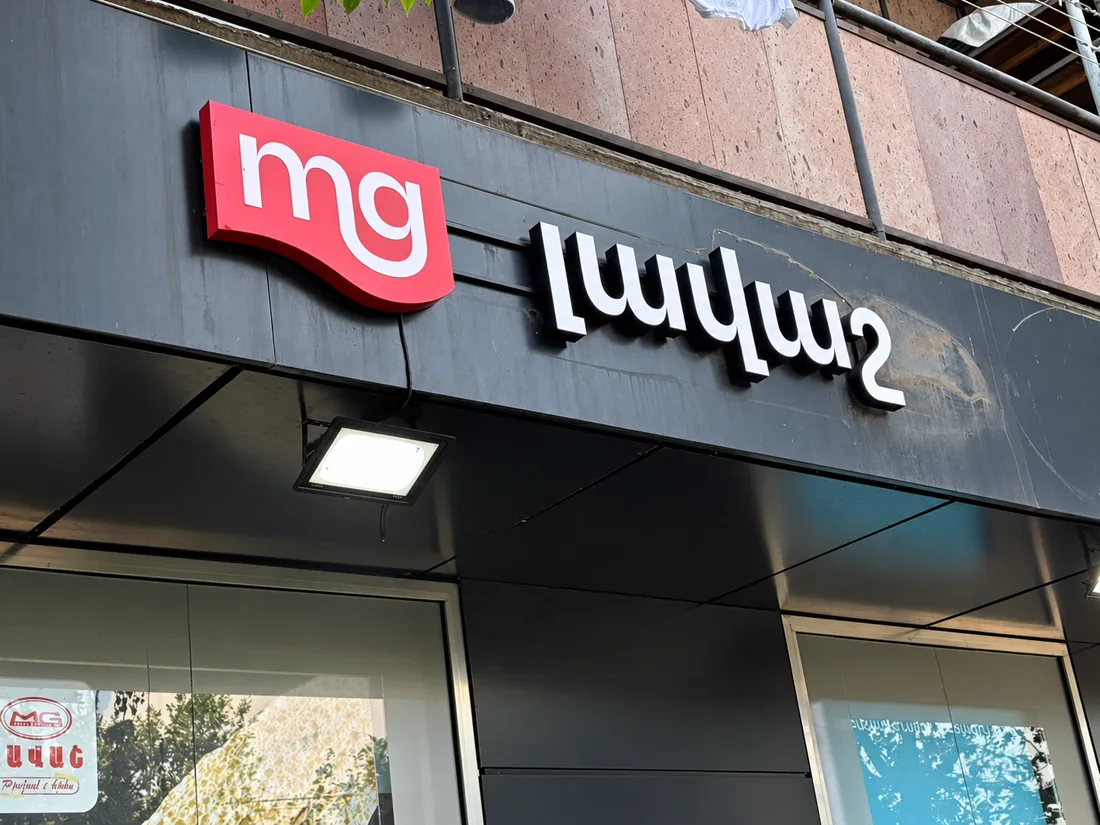 Facades & entrancesHelp visitors find an entrance and recognise a brand from the street.
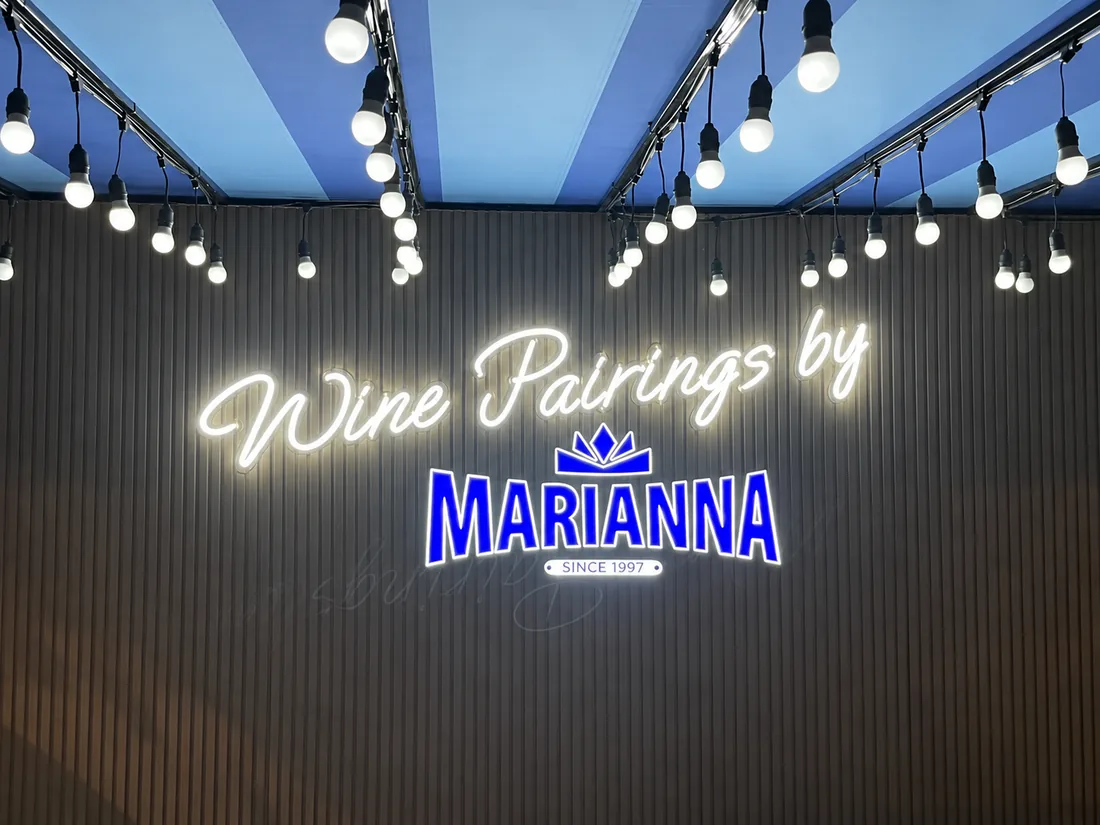 Illuminated signsKeep an entrance and name visible in the evening setting.
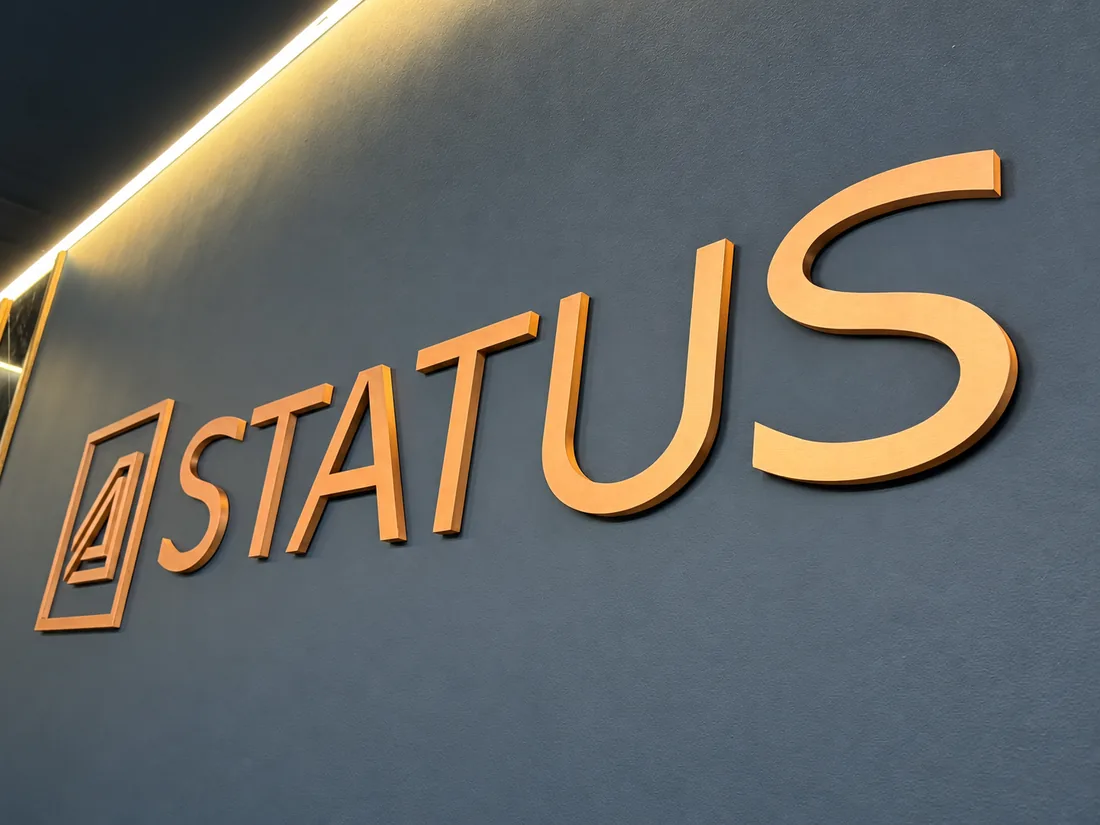 Dimensional lettersMake a brand name a physical part of a facade or wall.
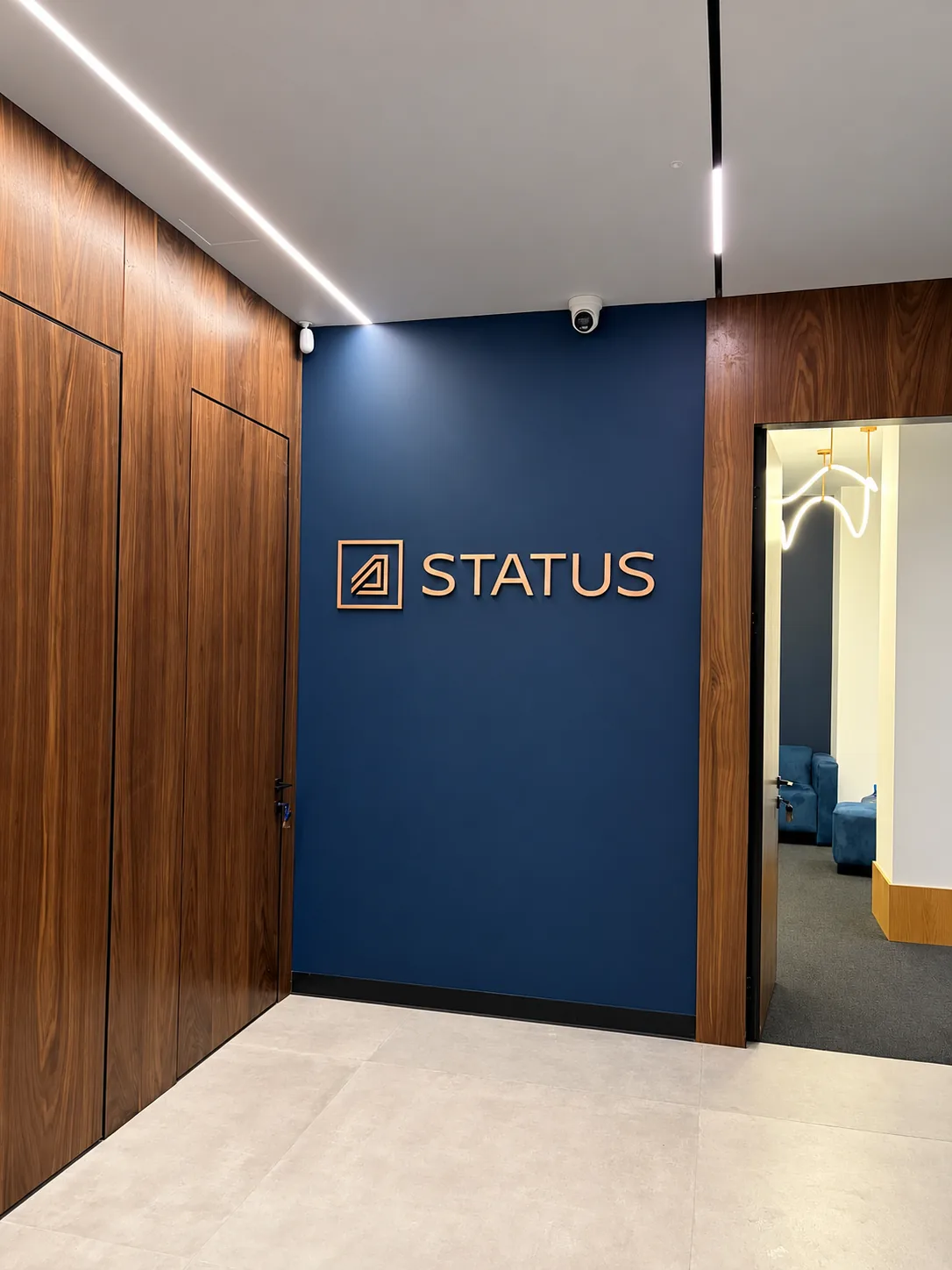 Interior brandingHelp visitors navigate and recognise a brand inside a space.
Let's make your
idea visible
Tell us what you have in mind. We'll talk through where to begin.